

March 4, 2026
Key Highlights
- Mayor Zohran Mamdani proposes a 9.5% property tax increase across all property classes
- The hike aims to close a projected $5B budget gap
- More than 3M residential and 100,000 commercial units would be affected
The Pressure Is Building
We are hearing the same concern from owners and investors across New York City. Expenses keep rising. Rents are under pressure. Deals are harder to pencil. Now property taxes may increase for the first time in over 20 years.
According to Bloomberg, New York City may raise property taxes as part of the mayor’s preliminary budget plan. The proposed 9.5% increase is designed to help close a projected $5B budget gap in the upcoming fiscal year.
The proposal affects both residential and commercial properties across the city. For many of our clients, this is not just a headline. It is a line item that directly impacts cash flow and property value.
What Are The Developments
- A proposed 9.5% property tax increase across all property classes.
- The proposal is part of a $127B preliminary city budget.
- The goal is to address a projected $5B budget gap.
- More than 3 million residential and 100,000 commercial units would be impacted.
- The city collected over $33B in property taxes in 2025.
- Assessed property values recently increased by 5.6% to $325.8B.
- Any tax rate change requires City Council approval.
- State officials, including Governor Kathy Hochul, note that the final decision rests with local lawmakers.
At the same time, the mayor has renewed calls for additional state funding. State officials have resisted those requests so far. If no new aid comes in, the city plans to raise property taxes and use reserve funds.
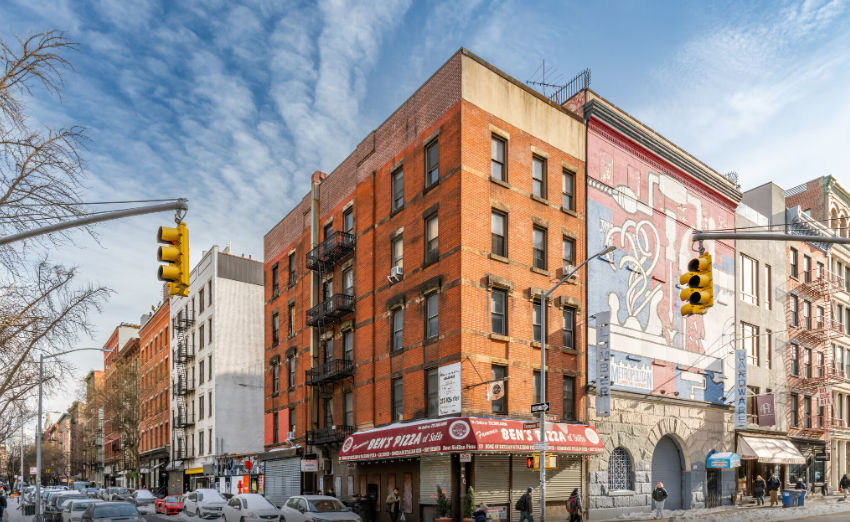
To address a projected $5B budget gap, the city proposes a 9.5% property tax hike affecting over 3.1 million residential and commercial units. (Photo from Loopnet: SoHo Mixed-Use Building, 177 Spring St.)
Stakeholder Pushback
Based on the reports of CRE Daily, City Council leadership and advocacy groups have already voiced opposition. Many argue that residents and small businesses are facing an affordability crisis.
Business advocates warn that higher property taxes could hurt the city’s competitiveness. Employers may consider relocating to lower tax states. Housing groups are also pushing for structural property tax reform given the broad impact of this proposal.
The debate is already reshaping expectations in the commercial real estate sector.
What This Means for Commercial Real Estate
From where we stand as brokers, the potential impacts are clear.
1. Higher operating costs for landlords across all asset classes.
Owners would need to absorb the increase or pass some of it on to tenants.
2. Increased pressure on net operating income and valuations.
Rising expenses can reduce property income and lower asset values.
3. Tighter margins for small business tenants.
Commercial tenants may face rent increases if landlords adjust to offset higher taxes.
4. More caution from investors underwriting new acquisitions.
Buyers will likely build higher tax assumptions into their financial models.
5. Possible shifts in leasing and relocation decisions.
Companies may rethink expansion or relocation plans if overall occupancy costs rise.
For some owners, this may require rent adjustments. For others, it may delay capital improvements or refinancing plans. For investors, it changes underwriting assumptions almost immediately.
Our Analysis and Guidance
We believe this proposal will remain central to budget negotiations in the coming months. The final outcome depends on City Council approval and ongoing discussions between city and state leaders.
For property owners and investors, now is the time to prepare.
We recommend reviewing operating budgets under multiple tax scenarios. Stress test cash flow projections. Revisit cap rate assumptions. For buyers, factor in potential tax increases before submitting offers. For sellers, understand how buyers may price in this risk.
At NYCCREA, we are closely monitoring developments. Our role is to help clients navigate uncertainty with clarity and data driven strategy.
If you own, invest, or plan to transact in New York City, this is not the time to guess. It is the time to plan.
For the latest news, proven strategies, and exclusive opportunities in commercial real estate in New York City and Western Nassau County NY, visit us at nyccrea.com
FOLLOW US:
Facebook: www.facebook.com/newyorkcityCREA
Instagram: www.instagram.com/nyccrea
LinkedIn: www.linkedin.com/company/nyccrea