

May 20, 2026
3 Big Takeaways Every NYC Office Owner and Tenant Needs to Know
- 68% of employees say collaboration is the top reason they come into the office while 58% say in-person meetings matter most. The office is no longer just about desks. It is about connection, culture, and teamwork.
- Activity-based office design jumped from 17% in 2024 to 40% in 2025 as companies across New York City rethink how office space should function in a hybrid world.
- Traditional focus-heavy office layouts fell sharply from 71% to 42% in just one year signaling one of the biggest workplace design shifts we have seen since before the pandemic.
NYC Offices Are No Longer Competing With Other Buildings
Offices are competing with home.
At the New York City Commercial Real Estate Advisors, we are seeing a major shift happen across New York City office leasing conversations. Return-to-office momentum is improving, but companies are realizing something important. Employees are not returning simply because leadership says so.
They are returning when the office actually gives them a reason to.
That is changing how companies design space, negotiate leases, and think about workplace strategy heading into 2026.
The old office model focused heavily on efficiency and individual workstations. The new office model is becoming experience-driven. Today’s employees want offices that help them collaborate, build relationships, learn from each other, and feel connected to company culture in ways remote work cannot fully replicate.
According to CBRE’s latest workplace research, 68% of employees say collaboration with colleagues is the biggest reason they come into the office. Another 58% point to in-person meetings as a key motivator.
That data tells us something critical about the future of office real estate in Manhattan and across NYC. Companies are no longer leasing space just to house employees. They are leasing space to create energy, culture, and interaction.

7 Strategies Companies Are Using To Design Offices That Employees Actually Want To Visit
1. Build More “We” Space Instead of Endless Rows of Desks
The biggest design trend we are seeing is the shift toward activity-based workplace planning.
Instead of assigning every employee a permanent desk, companies are creating flexible spaces designed around how people actually work throughout the day.
Current workplace allocation now looks like this:
- 35% individual “Me” space
- 19% collaborative “We” space
- 24% support space
- 22% amenities
This is a dramatic evolution from the pre-pandemic office environment where dedicated desks dominated the floorplan.
2. Design Offices Around Human Interaction
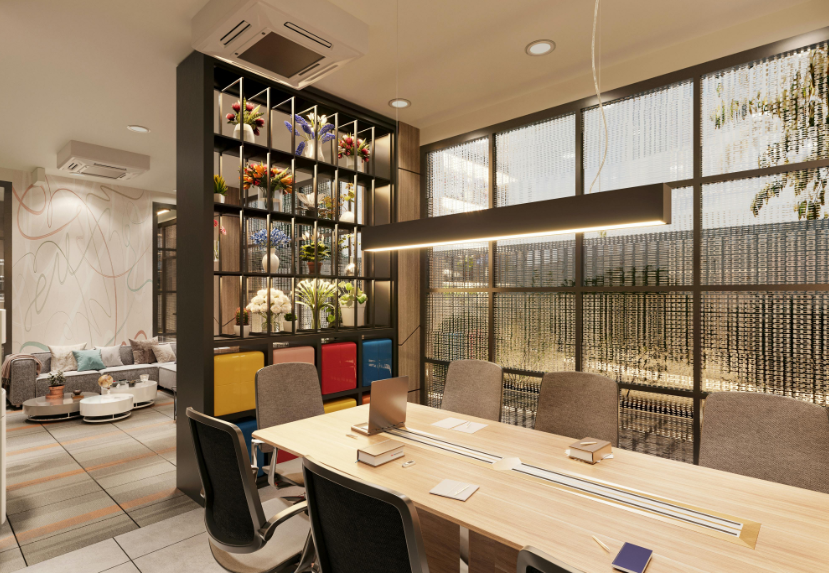
The most successful NYC offices today are intentionally designed to create natural interaction points.
That includes:
- Open collaboration lounges
- Casual meeting hubs
- Café-style seating areas
- Team gathering zones
- Flexible project rooms
- Wellness and social events
- Spaces for mentorship and training
Employees are increasingly viewing the office as a social and collaborative destination rather than a place for isolated work.
3. Turn Amenities Into Everyday Convenience
One of the biggest misconceptions in office design is assuming flashy amenities alone will bring employees back.
The data says otherwise.
Employees are prioritizing practical conveniences more than luxury perks.
The top amenity drivers include:
- Cafés and restaurants at 57%
- Free parking at 29%
- Kitchenettes and pantries at 25%
We are seeing NYC landlords and tenants rethink amenity programming to focus on reducing friction in employees’ daily lives instead of simply adding trendy extras.
4. Create Flexible Hybrid-Friendly Layouts
The one-size-fits-all office is disappearing quickly.
Companies are now balancing multiple work modes inside the same office including:
- Deep focus work
- Team collaboration
- Client presentations
- Training sessions
- Social interaction
- Virtual meeting integration
The modern office has to support both independent productivity and collaborative creativity simultaneously.
5. Invest More in Support Infrastructure
One surprising trend is the growth of support space.
Support areas increased from 20% in 2021 to 24% today despite hybrid work becoming more common.
We are seeing growing demand for:
- IT support rooms
- Data and security infrastructure
- Delivery and storage areas
- Event furniture storage
- Operational support rooms
Hybrid work still requires a highly functional physical workplace ecosystem.
6. Break Down Hierarchies Through Design
Traditional office layouts often reinforced corporate hierarchy.
But companies focused on culture and retention are redesigning offices to encourage interaction across all levels of the organization.
Even though 87% of private offices are still reserved for senior leadership, many firms are moving toward more inclusive layouts that improve visibility, collaboration, and accessibility between teams.
7. Make the Office Feel Like a Destination
This may be the biggest shift of all.
The office is no longer just a workplace.
It is becoming part hospitality, part collaboration hub, and part brand experience.
The companies succeeding with return-to-office strategies are creating environments employees genuinely enjoy being part of.
That includes:
- Wellness programming
- Community-building events
- Better food experiences
- Flexible gathering areas
- Hospitality-style design
- Stronger cultural identity throughout the office
The goal is simple. Create an office employees choose instead of tolerate.
What This Means For NYC Commercial Real Estate
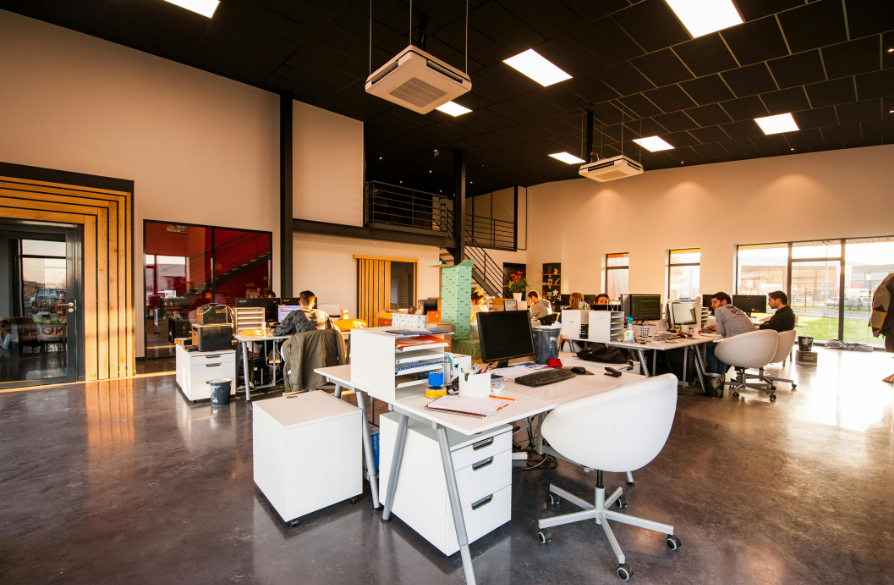
1. Older Commodity Office Space Will Continue to Struggle
Buildings that offer generic layouts and outdated workplace experiences will face increasing pressure.
Tenants now want spaces that support collaboration, flexibility, and culture-building.
Office quality matters more than ever.
2. Trophy and Amenitized Buildings Gain Even More Leverage
As companies prioritize employee experience, premium office assets with strong amenities, modern infrastructure, and hospitality-driven environments are becoming increasingly attractive.
This trend is helping drive demand toward higher-quality office inventory across Manhattan.
3. Flexible Buildouts Are Becoming a Competitive Advantage
Landlords that can offer adaptable layouts and faster customization options are gaining attention from tenants navigating hybrid work uncertainty.
The ability to evolve space over time is becoming just as important as location.
4. Tenant Improvement Spending Will Keep Rising
We expect companies to continue investing heavily into workplace redesigns heading into 2026.
The office is increasingly viewed as a strategic business tool tied directly to retention, recruiting, collaboration, and company culture.
5. Office Utilization Will Become a Key Leasing Metric
Square footage alone no longer tells the full story.
Companies are now measuring:
- Employee engagement
- Space utilization
- Collaboration effectiveness
- Workplace experience
- Attendance patterns
This is fundamentally changing how tenants evaluate office performance.
Our Return-To-Office Outlook for 2026 in New York City
As brokers working across the NYC commercial real estate market, we believe 2026 will be less about forcing return-to-office policies and more about earning employee participation through better workplace experiences.
The companies that succeed will be the ones that understand a simple reality.
People do not come into the office for the desk.
They come in for connection, collaboration, mentorship, energy, culture, and community.
That means office design will continue shifting toward flexible, hospitality-inspired environments that prioritize human interaction over pure efficiency.
For landlords, this creates both risk and opportunity. Buildings that evolve with these expectations can capture stronger demand and retain tenants more effectively. Buildings that fail to adapt may continue facing leasing challenges in an increasingly experience-driven market.
The future of office real estate in New York City is no longer just about location. It is about creating places people genuinely want to be.
Reference:
Beyond the Desk: How to Design Offices That Draw Employees In, 2026 (CBRE)
For the latest news, proven strategies, and exclusive opportunities in commercial real estate in New York City and Western Nassau County NY, visit us at www.nyccrea.com
FOLLOW US:
Facebook: www.facebook.com/newyorkcityCREA
Instagram: www.instagram.com/nyccrea
LinkedIn: www.linkedin.com/company/nyccrea