

Highlights
- $326M construction loan secured to convert a distressed hotel into multifamily housing
- 600-key hotel → 312 apartments, signaling a major shift in asset repositioning
- Part of a larger distressed acquisition strategy targeting undervalued New York properties
Distress Is No Longer a Problem. It’s the Opportunity
At NYCCREA, we’re watching a fundamental shift in how capital is being deployed across New York commercial real estate.
What used to be considered distressed or transitional assets, particularly hotels and offices, are now becoming prime targets for repositioning. Investors aren’t just buying buildings anymore. They’re buying optionality.
With shifting demand, evolving regulations, and continued housing pressure, the question is no longer “What is this property today?” It is: “What can this property become?”
And the latest move in Hell’s Kitchen shows exactly how that strategy is playing out.
The Development: Turning a Hotel Into Housing
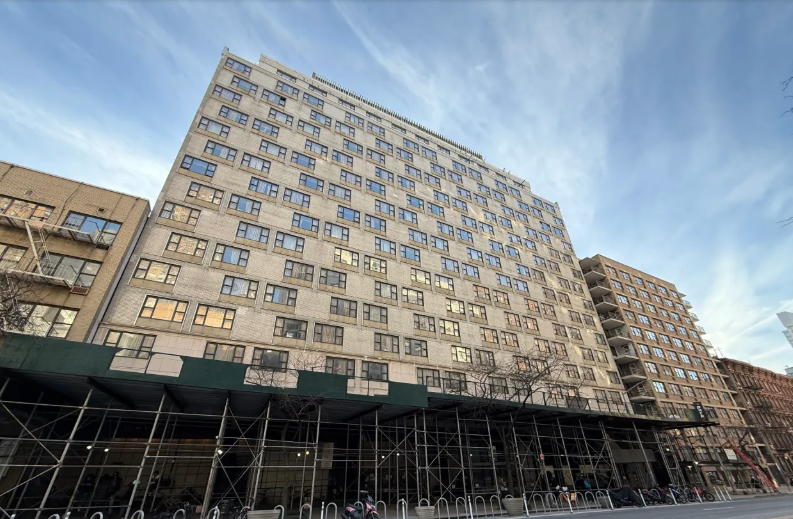
Yellowstone Real Estate Investments has secured a $326 million construction loan from Barings to finance the adaptive reuse of the Watson Hotel at 440 W. 57th Street, according to CRE Daily.
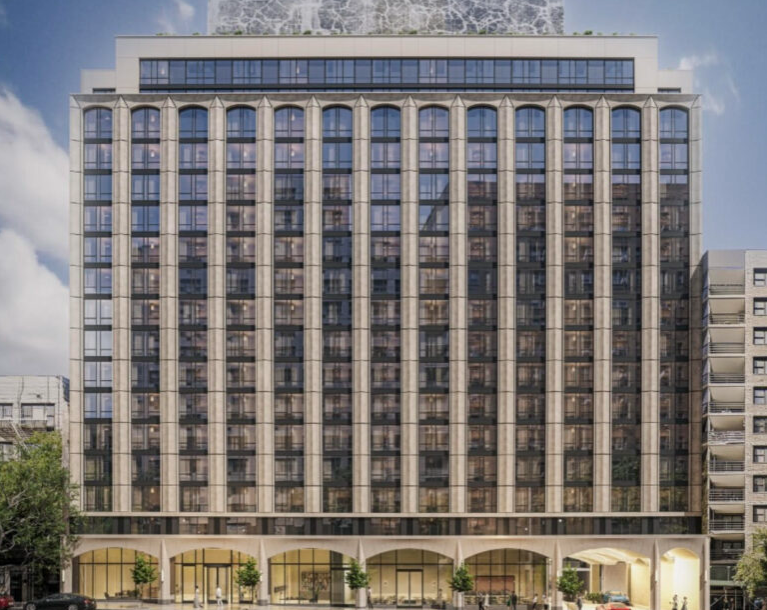
Originally a 600-room hotel, the property will be converted into 312 multifamily apartments, marking one of the more significant adaptive reuse projects currently underway in Manhattan.
Here’s how the deal unfolded:
- Yellowstone acquired the Watson Hotel in 2021 for approximately $175 million, the highest price paid for a Manhattan hotel during the pandemic
- Plans for residential conversion were submitted in 2023
- The project received approval in late 2025
- The building previously operated as a migrant shelter before its contract ended
This conversion reflects a broader trend: repositioning hospitality assets into residential to meet long-term demand. But this isn’t an isolated move. It’s part of a much bigger strategy.
The Strategy: Buying Distress, Creating Value
This project is one piece of Yellowstone’s broader playbook, which is acquiring distressed or discounted assets and repositioning them for long-term upside.
Recent activity includes:
- A $106 million note on the New Yorker Hotel
- The $140.5 million acquisition of the Maxwell through foreclosure after purchasing its debt
- The acquisition of the loan for 1740 Broadway, a 621,000 SF Midtown office building, at a significant discount from its 2014 valuation
What we’re seeing is a consistent approach: Identify assets where both financial pricing and physical structure allow for meaningful transformation.
This is not just opportunistic. It’s strategic repositioning aligned with market demand.
What This Means for CRE Going Forward
From our perspective, this deal reinforces several major shifts happening across commercial real estate.
1. Adaptive Reuse Is Becoming a Core Investment Strategy
Conversions are no longer niche as they’re becoming mainstream. Investors are actively underwriting conversion potential, not just current income.
2. Distressed Assets Are Driving Deal Flow
Much of today’s transaction volume is coming from distress, loan sales, and discounted acquisitions. The entry basis is what makes these projects viable.
3. Hospitality and Office Are Prime Targets
Underperforming hotels and office buildings are increasingly being repositioned into residential, aligning supply with demand.
4. Capital Is Still Available for the Right Deals
A $326M construction loan signals that lenders are willing to finance projects if the fundamentals make sense.
5. Housing Demand Is Shaping Investment Decisions
The conversion into 312 apartments reflects a clear reality: residential demand continues to influence how assets are repurposed.
The Future of CRE Is Flexible
We’re entering a phase where flexibility is the most valuable asset in real estate.
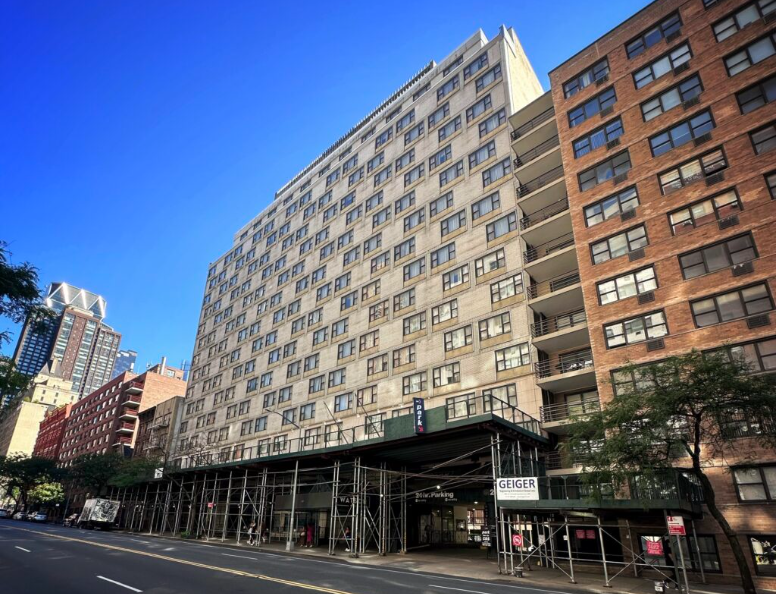
The Watson Hotel conversion isn’t just about one building. It’s a signal of how investors are thinking:
- Buy at the right basis
- Reposition with purpose
- Align with long-term demand.
Distress is no longer something to avoid because it’s where some of the most compelling opportunities exist.
For investors, operators, and brokers, the takeaway is clear: We need to start evaluating assets not for what they are, but for what they can become.
Because in this market, the biggest wins won’t come from stabilization. They’ll come from transformation.
For the latest news, proven strategies, and exclusive opportunities in commercial real estate in New York City and Western Nassau County NY, visit us at nyccrea.com
FOLLOW US:
Facebook: www.facebook.com/newyorkcityCREA
Instagram: www.instagram.com/nyccrea
LinkedIn: www.linkedin.com/company/nyccrea