

- $1 billion in city-backed investment will target the preservation of existing supportive housing across all five boroughs.
- The program could reach an estimated 30,000 existing affordable rental units that combine housing with on-site services for vulnerable New Yorkers.
- Owners and operators could access infrastructure funding, tax exemptions, below-market loans, and modified HPD financing to unlock conventional capital.
What is happening with New York City’s aging supportive housing?
From our perspective as New York City commercial real estate (CRE) brokers, this is more than a housing policy story. It is a major preservation and capital investment initiative that could reshape how investors, lenders, nonprofit operators, and developers look at supportive housing assets.
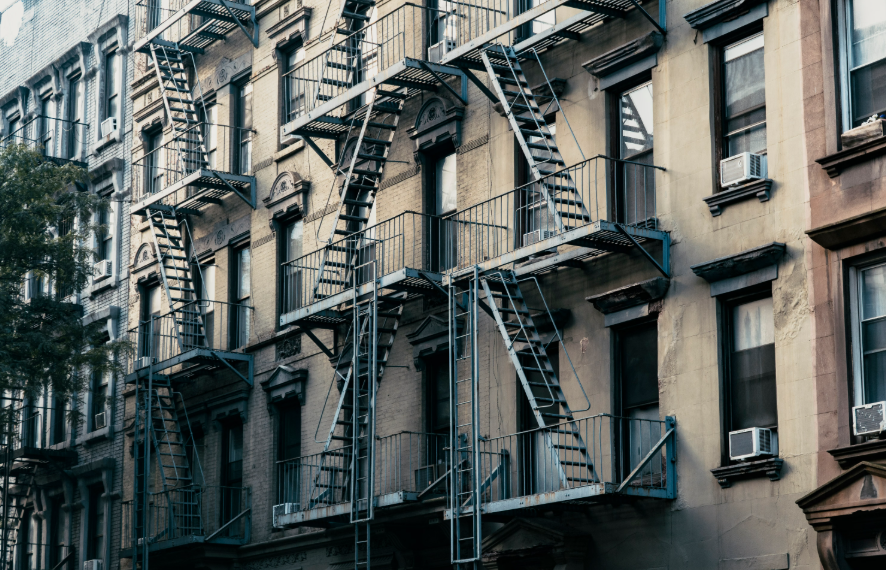
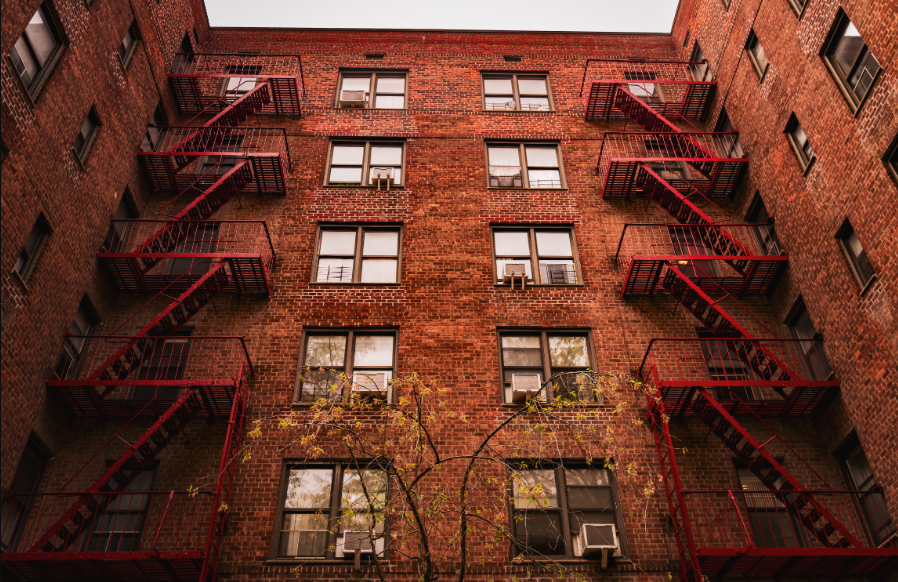
New York City has thousands of supportive housing units that were developed decades ago, particularly during the 1980s and 1990s. Many now face the same problems we see across older multifamily and affordable housing properties, including aging roofs, façades, boilers, electrical systems, accessibility issues, and rising energy costs.
The difference is that these properties serve some of the city’s most vulnerable residents. They provide not only housing but also on-site services for people facing homelessness, chronic health conditions, mental illness, and barriers to stable employment.
The new Supportive Preservation Program of the Department of Housing Preservation and Development (HPD) puts $1 billion behind keeping these properties viable instead of allowing aging infrastructure and capital shortages to threaten their long-term operation.
For CRE investors, the bigger question is straightforward.
Could preservation capital turn aging supportive housing into a more financeable and investable asset class?
What exactly does the Supportive Preservation Program offer?
1. $1 billion for existing supportive housing
The program is focused on preserving existing supportive housing rather than funding ground-up construction.
The initiative is expected to support an estimated 30,000 existing affordable rental units across New York City.
For owners and operators, that creates a potential source of capital for properties that may have significant deferred maintenance but limited ability to absorb major renovation costs through rents alone.
2. Infrastructure upgrades for aging buildings
Many supportive housing properties were developed 30 to 40 years ago.
That means owners may now be facing major capital needs involving
- Roof and façade repairs
- Boiler and heating system replacements
- Electrical and plumbing upgrades
- Structural improvements
- Accessibility improvements
- Energy efficiency projects
For example, some operators have identified several million dollars in capital needs at individual properties.
That level of deferred maintenance can significantly affect property operations, financing, insurance, and long-term valuation.
3. Tax exemptions can improve operating economics
The program includes residential real estate tax exemptions that could help reduce the financial pressure on participating properties.
For owners, lower tax obligations can improve net operating income.
For lenders, stronger operating performance can support debt service coverage.
For investors, the combination of public incentives and stabilized operations could improve the long-term financial profile of properties that might otherwise require substantial capital investment.
4. Below-market loans could fill financing gaps
The program will also provide below-market financing to support preservation projects.
This matters because higher interest rates and rising construction costs have made affordable housing preservation increasingly difficult to finance.
A lower-cost public loan can potentially reduce the amount of expensive private debt required to complete a major rehabilitation.
That can make the difference between a project that pencils and one that does not.
5. HPD financing could help attract conventional lenders
One of the more important components is the ability to modify existing HPD loans and create a structure that can facilitate conventional financing.
This could be significant for properties that have historically been difficult to finance through traditional channels.
If the program successfully brings more banks and institutional lenders into supportive housing preservation, we could see more capital flowing into the sector beyond the initial $1 billion public commitment.
How could the program impact NYC commercial real estate?
1. Could supportive housing become more attractive to investors?
Potentially, yes.
The biggest issue with many older supportive housing properties is not necessarily demand. It is the capital required to maintain and modernize the buildings.
A combination of government funding, tax relief, below-market debt, and conventional financing could reduce that capital burden.
For investors, that could create opportunities to acquire or partner on properties where the physical asset needs significant investment but the underlying housing demand remains strong.
2. Could preservation create more value-add opportunities?
We expect to see more activity around properties with substantial deferred maintenance.
The opportunity may not look like a traditional market-rate multifamily value-add deal.
Instead, investors may find opportunities involving
- Capital improvement programs
- Energy efficiency upgrades
- Building system modernization
- Accessibility improvements
- Refinancing and recapitalization
- Public-private partnerships
The Bronx and other outer borough markets could see particular activity where older supportive housing properties require significant infrastructure investment.
3. Could this reduce conversion risk?
One major benefit of preservation funding is keeping supportive housing in its existing use.
Without adequate capital, aging affordable properties can face financial pressure that creates incentives for restructuring, disposition, or conversion.
By helping owners stabilize buildings and operations, the city could reduce the risk that supportive housing units are lost from the affordable housing inventory.
For CRE investors, that means the regulatory and operating environment around these assets becomes an increasingly important part of underwriting.
4. Could lenders become more active in the sector?
This may be one of the biggest long-term effects.
The program is designed partly to make it easier for conventional lenders to participate.
If banks become more comfortable lending against preserved supportive housing assets, the program could create a multiplier effect beyond the city’s initial funding.
We could see more refinancing, recapitalizations, acquisition financing, and construction loans tied to preservation projects.
That creates potential business for lenders, brokers, contractors, architects, property managers, and other CRE professionals.
5. Could preservation compete with new construction?
New affordable housing construction remains expensive.
Interest rates, labor costs, insurance, land prices, and construction expenses all make ground-up development challenging.
Preserving an existing building can sometimes be faster and less disruptive than building a new property from scratch.
For New York City, the strategy is increasingly clear. Preserve what already exists while continuing to build where new supply is needed.
The city’s broader housing goals include adding or preserving 400,000 affordable homes over the next decade. The supportive housing program fits directly into that preservation strategy.

What should NYC CRE brokers and investors watch next?
From our perspective, the most important thing is to track which properties actually qualify and how the financing structure works on a project-by-project basis.
For CRE brokers, this could create a new conversation with owners of aging supportive and affordable housing assets.
The right questions are:
- How much deferred capital does the property need?
- What existing HPD financing is already in place?
- Could tax exemptions improve the property’s operating performance?
- Can below-market financing reduce the cost of rehabilitation?
- Could conventional lenders participate after restructuring?
- What improvements could reduce long-term operating expenses?
- Does the property have additional development or refinancing potential?
For investors, we would look closely at the gap between physical needs and available capital.
A building requiring $5 million in upgrades is not necessarily a bad investment if public financing and tax incentives can materially reduce the owner’s capital burden. On the other hand, investors still need to understand regulatory restrictions, affordability requirements, operating obligations, tenant services, financing terms, and exit limitations.
The opportunity is not simply to buy an old building.
It is to identify properties where public capital, private capital, and operational improvements can work together to create long-term value.
What does NYC’s $1B supportive housing investment mean for CRE?
The Supportive Preservation Program sends a clear message about where New York City housing policy is heading.
Preservation is becoming just as important as production.
For the commercial real estate industry, that means aging affordable and supportive housing properties deserve more attention from brokers, investors, lenders, and developers.
The $1 billion commitment could help stabilize approximately 30,000 existing units, modernize aging buildings, improve energy efficiency, and bring more conventional financing into a historically specialized asset class.
We see the biggest opportunity in understanding the properties behind the numbers.
Owners with aging assets should evaluate the program before making major capital decisions. Investors should identify properties with significant deferred maintenance and determine whether public incentives can change the financial equation. CRE brokers should be prepared to connect owners with the right financing, development, and preservation partners.
In a market where new construction remains expensive, the next major opportunity in NYC affordable housing may not be building more. It may be finding new ways to preserve, finance, and improve what the city already has.
For the latest news, proven strategies, and exclusive opportunities in commercial real estate in New York City and Western Nassau County NY, visit us at www.nyccrea.com
FOLLOW US:
Facebook: www.facebook.com/newyorkcityCREA
Instagram: www.instagram.com/nyccrea
LinkedIn: www.linkedin.com/company/nyccrea