

- Traditional Commercial Real Estate (CRE) remains anchored by office, industrial, retail, multifamily, hospitality, and mixed-use properties, but each asset now faces different demand and leasing conditions.
- Emerging assets such as data centers, life sciences, healthcare, self-storage, and specialized service properties are creating new investment opportunities.
- For NYC buyers and investors, the right property is not simply the one with the highest rent or lowest asking price. Location, tenant demand, property use, operating income, redevelopment potential, and long-term market trends all matter.
What Is Happening in NYC Commercial Real Estate Right Now?
We are seeing a commercial real estate market that is becoming more specialized.
The traditional categories of office, retail, industrial, multifamily, hospitality, and mixed-use properties remain important. But the way tenants use these properties is changing.
In New York City, we are seeing stronger attention on properties that can support flexible work, logistics, healthcare, technology, food service, residential demand, and other specialized uses.
Office is a clear example. The market is no longer simply about how many square feet a company needs. Tenants are looking at location, building quality, amenities, transportation, technology infrastructure, and how efficiently the space supports their workforce.
Retail is changing too. A property that once depended entirely on traditional shopping traffic may now need to support restaurants, services, experiential uses, healthcare, fitness, or other tenant concepts.
For us as NYC commercial real estate brokers, that means property type alone is not enough to determine value. We have to understand what the property can do for the next tenant, buyer, or investor.
What Are the 6 Traditional Types of Commercial Real Estate and What Are Their Advantages?
1. Office Properties
Office buildings range from Class A towers in major business districts to Class B and Class C properties that may offer value-add opportunities.
Why do investors still consider office?
- Location can create long-term value
Properties near major transportation, business districts, universities, hospitals, and established commercial corridors can maintain strong tenant demand. - Class B and Class C can create repositioning opportunities
Older properties may offer opportunities to renovate, improve amenities, modernize building systems, or reposition the asset for a different tenant profile. - Prime office can attract higher-quality tenants
Well-located, amenity-rich buildings can compete for tenants that prioritize employee experience and accessibility.
For investors, the key question is not simply whether office demand is strong or weak. It is which office properties remain competitive and why.
2. Industrial Properties
Industrial properties include warehouses, distribution facilities, manufacturing buildings, logistics facilities, and flex spaces.
Why can industrial be attractive?
- Logistics creates consistent demand
Businesses need locations to store, process, manufacture, and distribute goods. - Last-mile locations can command strategic value
Properties closer to dense populations can help businesses reduce delivery times. - Flex properties serve multiple business needs
Combining office and industrial space can make a property useful to a broader tenant base.
For NYC investors, industrial properties can be particularly interesting when location, access, zoning, loading capacity, and transportation infrastructure work together.
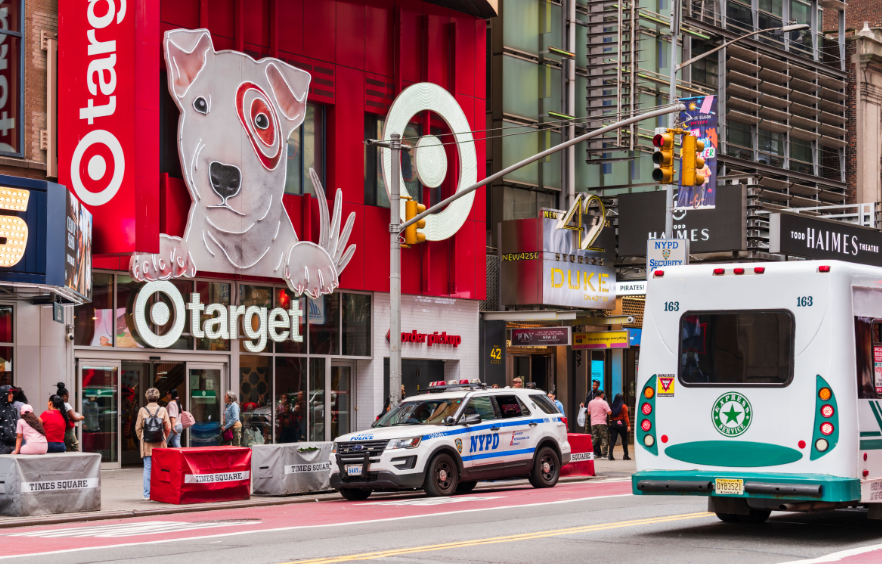
3. Retail Properties
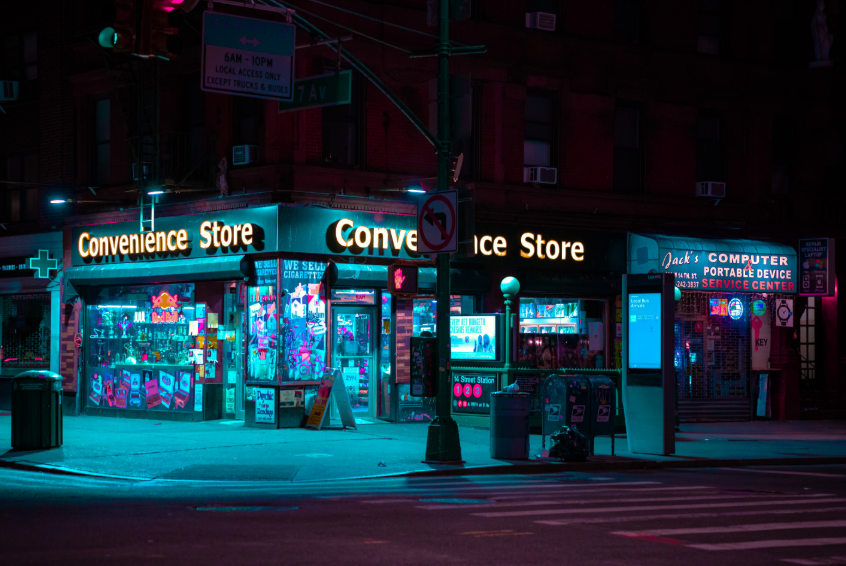
Retail includes storefronts, shopping centers, neighborhood retail, convenience locations, banks, restaurants, and service-oriented properties.
What makes retail valuable?
- Visibility matters
Strong street exposure, pedestrian activity, signage opportunities, and vehicle access can directly affect tenant demand. - Essential services can provide stability
Grocery, healthcare, childcare, fitness, food, and other service businesses can generate recurring local demand. - Prime locations can command premium rents
High-traffic corridors and established commercial districts can remain attractive even as retail formats change.
We look beyond the storefront itself. We consider who lives and works nearby, how people move through the area, and what types of businesses are actually underserved.
4. Multifamily Properties
Multifamily properties generate income through residential rents and include apartment buildings and larger residential complexes.
Why does multifamily remain important to CRE investors?
- Housing is a fundamental need
Demand for residential space remains tied to population, employment, household formation, and neighborhood growth. - Multiple tenants diversify income
Revenue is spread across multiple residential units rather than depending on a single commercial tenant. - Location can support long-term demand
Access to transportation, employment centers, schools, retail, restaurants, and neighborhood amenities can influence occupancy and rental growth.
For investors, the analysis should include rents, expenses, vacancy, maintenance, property taxes, financing, and the potential for future improvements.
5. Hospitality Properties
Hotels, serviced apartments, hostels, and other hospitality properties generate revenue from short-term or extended stays.
What are the advantages?
- Revenue can respond to market demand
Unlike traditional long-term leases, hospitality operators can adjust pricing based on occupancy and market conditions. - Strong locations can support premium rates
Tourism, business travel, entertainment, transportation, and major attractions can influence performance. - Multiple hospitality formats create different strategies
Investors can evaluate everything from full-service hotels to smaller boutique or extended-stay concepts.
The tradeoff is that hospitality usually requires more operational involvement and can be more sensitive to tourism, travel, labor, and economic conditions.
6. Mixed-Use Properties
Mixed-use properties combine two or more uses, such as retail and residential or office and retail.
Why are mixed-use properties attractive?
- Multiple income sources
Different tenant categories can diversify revenue. - Built-in customer activity
Residential tenants can support retail, while office workers can support restaurants and services. - Efficient use of urban land
Mixed-use development can maximize the value of strategically located properties.
In NYC, where land is limited and different uses often operate within the same neighborhood, mixed-use properties can offer significant strategic advantages.

What Are the 5 Emerging Commercial Real Estate Types and Their Advantages?
1. Data Centers
Data centers have become an increasingly important CRE category because businesses require physical infrastructure to support cloud computing, artificial intelligence, digital services, and data storage.
What makes them different?
- Technology creates specialized demand
- Power availability is a critical property consideration
- Long-term infrastructure requirements can support specialized tenancy
For investors, however, location alone is not enough. Power capacity, cooling, connectivity, zoning, permitting, and infrastructure can determine whether a property is actually suitable.
2. Life Sciences Properties
Life sciences facilities support biotechnology, pharmaceutical research, laboratories, medical research, and related businesses.
Why are they emerging?
- Specialized infrastructure creates barriers to entry
- Research institutions and medical centers can generate tenant demand
- Specialized tenants may require highly customized spaces
These properties can offer attractive opportunities, but investors must understand laboratory infrastructure, building systems, tenant requirements, and conversion costs.
3. Healthcare Properties
Healthcare CRE includes medical offices, outpatient facilities, specialty clinics, and other healthcare-related properties.
Why is healthcare attracting attention?
- Healthcare services create recurring demand
- Medical tenants often make significant investments in specialized spaces
- Longer leases can provide income stability
For NYC investors, proximity to hospitals, transportation, residential populations, and established medical clusters can be important factors.
4. Self-Storage Properties
Self-storage facilities provide individual storage units to residential and commercial customers.
What are the advantages?
- Multiple customers diversify rental income
- Operations can require fewer employees than many traditional CRE uses
- Demand can increase during moves, downsizing, renovations, business transitions, and other life events
The location still matters. Population density, competition, visibility, accessibility, and zoning can significantly affect performance.
5. Specialized and Adaptive-Reuse Properties
We are also seeing opportunities involving properties that can be converted or repositioned for new uses.
Examples include former religious facilities, older commercial buildings, vacant retail properties, and other special-purpose assets.
Why can these properties be interesting?
- Purchase prices may reflect the current use rather than the property’s full redevelopment potential
- Adaptive reuse can create new income opportunities
- Unique buildings can provide locations or physical characteristics that are difficult to replicate
The major issue is feasibility. Zoning, permits, construction costs, environmental conditions, building systems, financing, and the proposed use must all work together.

Which Commercial Real Estate Type Is Best for Investors in NYC?
There is no single best CRE property type.
The better question is this
Which property type best matches the investor’s capital, risk tolerance, timeline, financing strategy, tenant demand, and target return?
An investor looking for stable income may evaluate a fully leased property with strong tenants.
Another investor may prefer a value-add office, retail, or mixed-use property where improvements could increase income.
A developer may focus on land, zoning, adaptive reuse, or redevelopment potential.
A business owner looking to purchase instead of lease may prioritize visibility, parking, transportation, zoning, floor plan, and long-term operating costs.
The same property can therefore be a great opportunity for one buyer and the wrong investment for another.
What Should NYC CRE Investors Analyze Before Buying?
We recommend looking beyond the asking price.
- Location
Study transportation, surrounding businesses, population, employment, development activity, and neighborhood trends. - Current income
Review rent rolls, occupancy, lease terms, operating expenses, and net operating income. - Tenant quality
Analyze who occupies the property, how long they have been there, and when leases expire. - Physical condition
Evaluate building systems, roof, HVAC, electrical capacity, elevators, plumbing, and other major capital requirements. - Zoning and permitted uses
A property’s current use does not necessarily represent every use that may be legally possible. - Future demand
Ask what businesses, residents, customers, and investors will need from the property five or ten years from now. - Value-add potential
Determine whether renovations, repositioning, redevelopment, improved leasing, or a change of use could increase value.
How Can You Find the Right Property for Your Needs Through NYCCREA?
We believe the right commercial property starts with the right questions.
Are you buying for income?
Are you looking for a property for your own business?
Do you want a value-add opportunity?
Are you interested in redevelopment?
Do you need retail visibility, office space, industrial functionality, residential income, or a specialized property?
At NYCCREA, we help buyers and investors evaluate commercial opportunities based on their specific objectives rather than simply showing them available listings.
We look at the property, the location, the numbers, the current use, potential uses, tenant demand, and the broader NYC market.
The goal is simple.
Find the property that fits your strategy, your budget, and your long-term objectives.
If you are searching for commercial real estate in New York City or Western Nassau County, connect with NYCCREA to discuss the type of property and opportunity that makes sense for you.
Andreas Nakos
Licensed Associate Real Estate Broker
917.886.6918
andreas.nakos@elliman.com
Steven Llorens
Licensed Associate Real Estate Broker
917.830.7091
steven.llorens@elliman.com