

November 25, 2026
Key Highlights
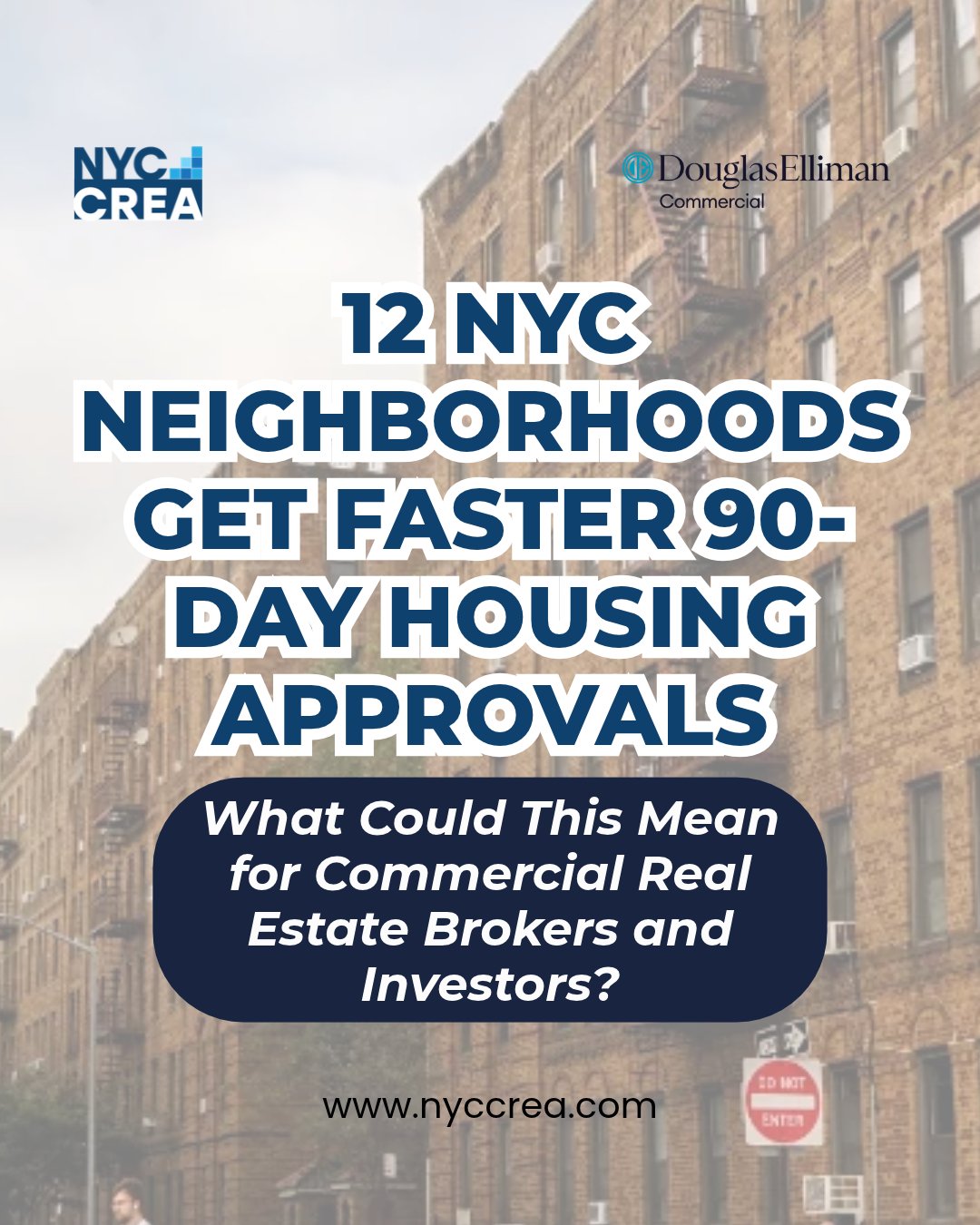
- 12 neighborhoods across Brooklyn, Manhattan, Queens, and Staten Island will qualify for a streamlined affordable housing approval process starting January 2027.
- These districts produced just 724 of 63,870 affordable homes, representing only 1.1% of the city’s affordable housing production over the past five years.
- The new 90-day public review process could cut approximately four months from the traditional land-use approval timeline, potentially accelerating development opportunities.
Why Is NYC Targeting These 12 Neighborhoods for Affordable Housing?
New York City’s affordable housing production has been heavily concentrated in a relatively small number of neighborhoods. The Mamdani administration wants to change that by making it easier to advance affordable housing projects in communities that have historically contributed the least.
In October, Mayor Zohran Mamdani and the Department of City Planning announced the 12 community districts selected for the Affordable Housing Fast Track program.
The numbers explain why these neighborhoods were selected. Although the 12 districts represent roughly one-fifth of New York City’s 59 community districts, they produced only 724 of the city’s 63,870 new affordable homes over five years. That’s just 1.1% of total production.
Even more telling, the four lowest-producing districts each added fewer than 10 affordable homes over the same period. Meanwhile, the highest-producing district alone created eight times as many affordable homes as all 12 Fast Track districts combined.
For us in commercial real estate, this policy deserves attention. Expanding affordable housing development into historically underserved neighborhoods could influence property demand, neighborhood investment, business activity, and future development opportunities.

How Does the Affordable Housing Fast Track Program Work?
Approved by New York City voters in November 2025 through changes to the City Charter, the Affordable Housing Fast Track introduces a streamlined land-use review process for eligible rezoning proposals that create affordable housing in community districts (CD).
Here are the key details.
- 12 designated community districts
The program covers the following neighborhoods across four boroughs.- Brooklyn CD 10 – Bay Ridge and Dyker Heights
- Brooklyn CD 12 – Borough Park and Kensington
- Brooklyn CD 18 – Canarsie and Flatlands
- Manhattan CD 7 – Upper West Side
- Manhattan CD 8 – Upper East Side and Roosevelt Island
- Queens CD 4 – Corona and Elmhurst
- Queens CD 5 – Ridgewood, Maspeth, and Middle Village
- Queens CD 10 – South Ozone Park and Howard Beach
- Queens CD 11 – Auburndale, Bayside, and Douglaston
- Queens CD 13 – Queens Village, Bellerose, and Rosedale
- Staten Island CD 2 – Mid-Island
- Staten Island CD 3 – South Shore
- A 90-day public review process
Starting January 1, 2027, eligible rezoning proposals that create affordable housing in these districts will follow a streamlined 90-day public review process. This cuts approximately four months from the traditional Uniform Land Use Review Procedure (ULURP), potentially helping qualifying projects move through approvals faster. - Community participation remains
Faster approvals do not eliminate public involvement. Community Boards and Borough Presidents will retain their review roles, along with opportunities for public input. - Environmental and landmark protections remain
The program does not change environmental review requirements or landmark protections. Developers must still account for these requirements when planning projects. - District eligibility will be reviewed every five years
The city will recalculate the 12 eligible districts based on updated affordable housing production. The next list is scheduled for October 2031. - Part of a larger $22 billion housing investment
The Fast Track supports the administration’s broader Block by Block housing plan, which targets 200,000 new affordable homes and the preservation of another 200,000 over the next decade. The plan is backed by $22 billion in affordable housing capital over five years.
What Could the Fast Track Mean for NYC Commercial Real Estate?
The program focuses on affordable housing, but its potential effects extend beyond residential development. We see several areas that commercial real estate brokers, property owners, and investors should monitor.
- Could development activity expand into previously underserved neighborhoods?
The 12 districts represent approximately 20% of NYC’s community districts but accounted for only 1.1% of affordable housing production over five years. The new process could encourage developers to reconsider opportunities in these locations. For CRE investors, this means monitoring land availability, existing building conditions, zoning, and properties that could support future mixed-use or residential development. - Could faster approvals improve development timelines?
Reducing the traditional land-use review process by approximately four months is a meaningful change for eligible projects. Shorter review periods could help developers move projects forward sooner and potentially reduce some approval-related delays. However, the 90-day process does not eliminate environmental reviews, landmark protections, or other development requirements. We should distinguish between a faster review process and guaranteed project approval or construction. - Could new housing increase demand for neighborhood retail?
More housing can create opportunities for businesses that serve local residents. Neighborhood retail, grocery stores, restaurants, personal services, healthcare providers, and other community-oriented businesses could benefit if residential development brings additional households into these districts. For commercial brokers, these areas deserve closer attention as future tenant and site-selection markets. Actual demand will depend on completed housing, household spending power, local competition, and available commercial space. - Could property owners find new development opportunities?
The designation puts these 12 districts on the city’s affordable housing development agenda. Property owners and investors should review their existing assets, zoning conditions, and potential redevelopment opportunities. Sites that can accommodate eligible affordable housing proposals may become more relevant to developers and development partners. However, Fast Track eligibility does not automatically change a property’s zoning or guarantee additional development rights. - Could infrastructure and neighborhood investment create new opportunities?
The administration also plans to explore city-sponsored land-use actions in these districts to deliver affordable housing. Its broader agenda includes transit-oriented development, neighborhood plans, and housing on city-owned land. These initiatives could influence where future development activity concentrates. CRE professionals should monitor planning announcements and identify properties near potential development areas rather than relying on speculation. - Could mixed-use development become more relevant?
The city’s broader housing agenda demonstrates an interest in expanding residential opportunities across all five boroughs. One example is the administration’s proposal at 100 Gold Street, which includes nearly 4,000 new homes, approximately 1,000 of which would be permanently income-restricted and rent-stabilized. While this is a separate city initiative, it illustrates the scale of housing development being pursued. For CRE investors, projects combining residential uses with neighborhood-serving commercial space deserve attention as the city’s housing strategy develops.
What Should NYC Commercial Real Estate Brokers and Investors Do Next?
The Affordable Housing Fast Track is an important policy change, but its actual commercial real estate impact will depend on how quickly eligible projects move from review to construction.
For us as NYC CRE brokers, the opportunity is to understand the policy before the market fully responds.
We recommend three priorities.
- Track development and zoning activity.
Monitor the 12 designated districts, eligible rezoning proposals, and upcoming city-sponsored land-use actions. Pay particular attention to properties that could support residential or mixed-use redevelopment. - Reassess neighborhood commercial demand.
Watch for potential residential growth that could create opportunities for retail, healthcare, food service, and other neighborhood-oriented businesses. Evaluate actual supply, demand, and tenant requirements before making investment assumptions. - Help clients make data-driven decisions.
Property owners and investors should understand the difference between a faster approval process, zoning eligibility, and a financially viable development project. Evaluate each property’s location, existing use, zoning, development costs, and potential demand.
The next major milestone is January 1, 2027, when the streamlined review process takes effect.
Is the Affordable Housing Fast Track a New CRE Opportunity Across NYC?
New York City’s Affordable Housing Fast Track marks a development toward more geographically balanced development. The fact that 12 districts produced just 1.1% of the city’s affordable homes over five years highlights how uneven housing production has been.
For commercial real estate, we see potential opportunities in neighborhood retail, mixed-use development, property redevelopment, and services supporting growing residential communities.
But investors should remain selective. A shorter approval process does not guarantee project approval, construction, higher property values, or stronger rental demand.
Our advice is straightforward. Start studying these 12 neighborhoods now, understand their zoning and commercial property inventory, and follow the city’s planning decisions as they unfold. The strongest opportunities will come from identifying viable properties and real market demand before development activity changes the neighborhood.
For more insights and commercial opportunities in New York City and Western Nassau County, contact us.
Andreas Nakos
Licensed Associate Real Estate Broker
917.886.6918
andreas.nakos@elliman.com
Steven Llorens
Licensed Associate Real Estate Broker
917.830.7091
steven.llorens@elliman.com