

October 28, 2026
- A $72 million winning bid
Gold Coast Property & Estate Management LLC outbid six other entities for the historic Huntington estate, with the sale awaiting federal bankruptcy court approval. - Up to 95 condominiums
The new ownership group intends to maintain current operations while exploring development on portions of the property, where residential development rights already exist. - A landmark with two sources of value
The 107-year-old Oheka Castle combines a luxury hospitality and events business with a historic estate, development potential, and significant preservation considerations.
Why Is Oheka Castle Changing Hands Now?
Oheka Castle has a new prospective owner, but its next chapter is about more than a change in ownership. The $72 million winning bid brings together historic preservation, hospitality operations, residential development, and the financial realities of owning a landmark property on Long Island.
On October 27, 2026, Gold Coast Property & Estate Management LLC, led by developers Ronald Browning and Paul Alflen, won a private auction for the 127-room estate in Huntington. Oheka Castle is changing hands after years of financial challenges led its owner, Kahn Property Owner LLC, to file for Chapter 11 bankruptcy protection in July 2025. With approximately $60 million owed to a secured creditor and another $8 million to $10 million in unsecured debts and professional fees, the sale offered a path to address outstanding obligations.
For us as New York City commercial real estate brokers, this deal shows how a property can carry several layers of value at once. Oheka is a hospitality business, an event destination, a historic landmark, and a potential residential development site.
The challenge is balancing those uses without compromising the asset that makes the property valuable in the first place.
What Are The Key Developments Behind The $72 Million Oheka Castle Sale?
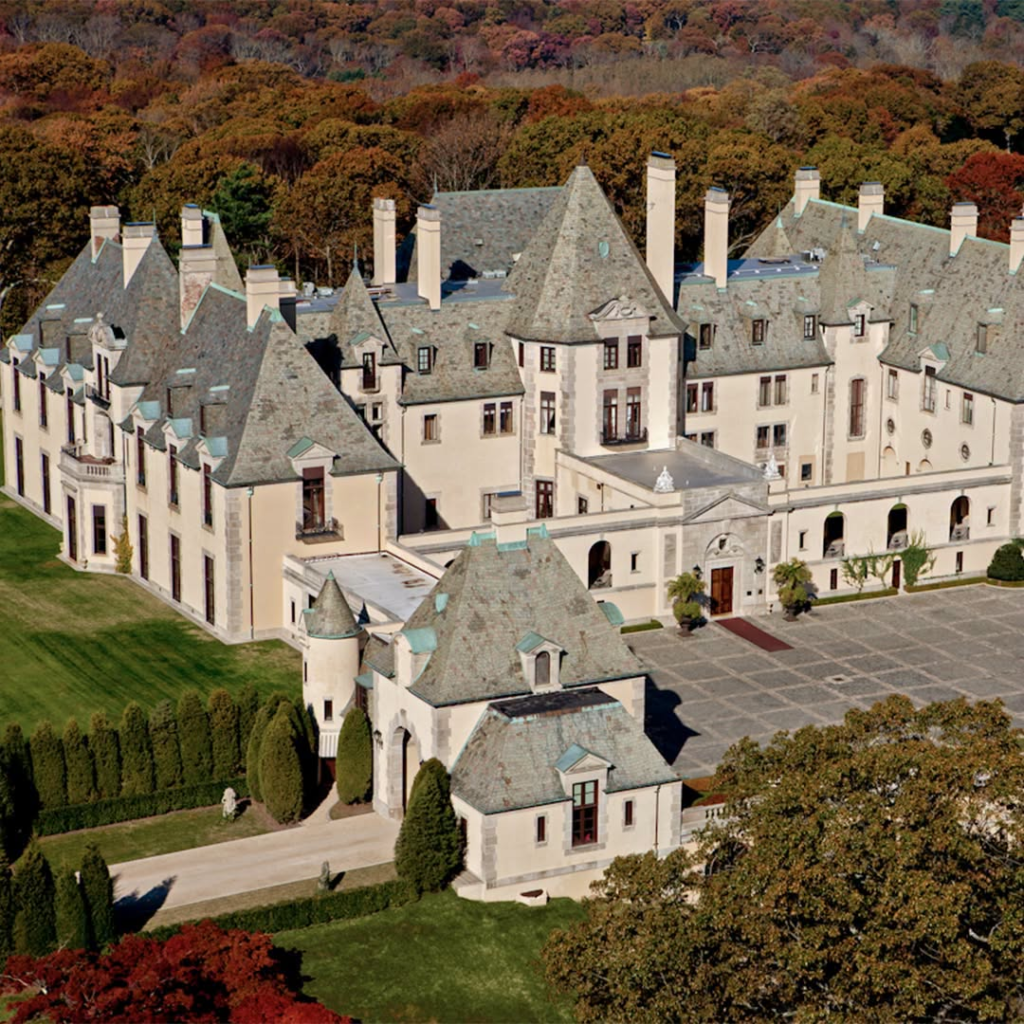
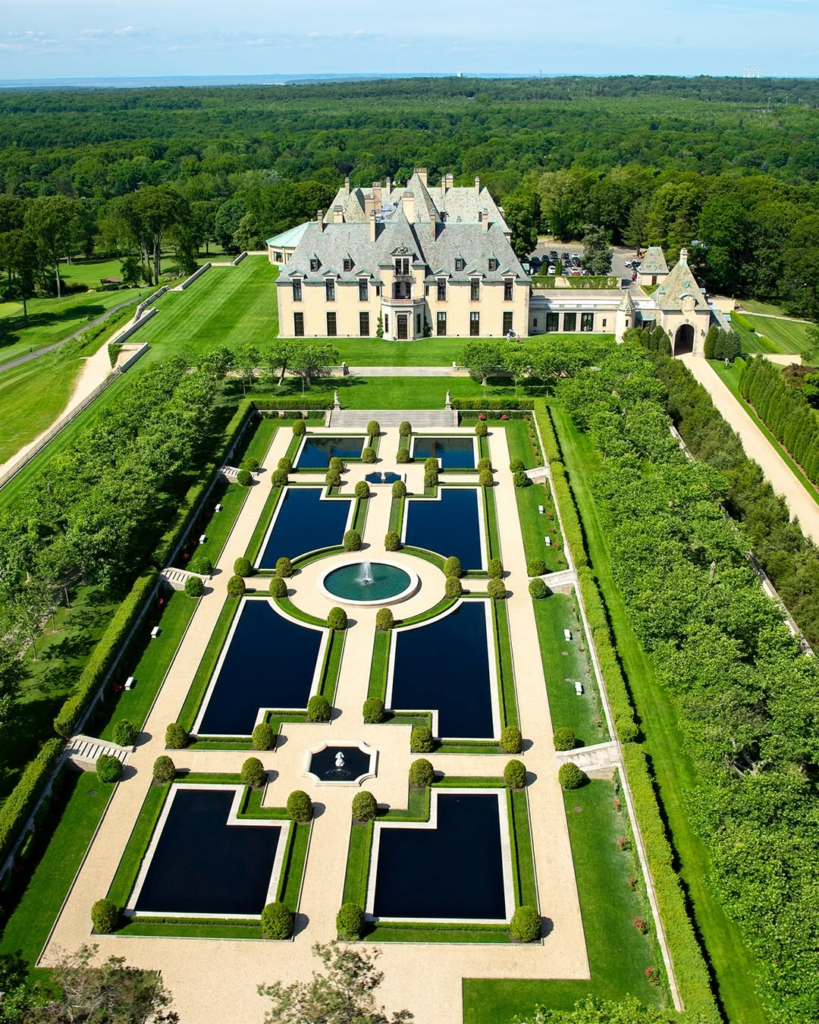
Completed in 1919 for financier Otto Hermann Kahn, Oheka Castle is one of Long Island’s most iconic Gold Coast estates. The 127-room, approximately 109,000-square-foot mansion originally stood on 443 acres and cost an estimated $11 million to construct. After decades of changing ownership, neglect, and deterioration, developer Gary Melius purchased the property in 1984 and invested approximately $40 million in restoration, transforming it into the luxury hotel, wedding venue, restaurant, and event destination known today.
Oheka’s cultural significance extends beyond real estate. It appeared as Xanadu in the opening scenes of the 1941 film Citizen Kane and has served as a filming location for productions including Royal Pains and Succession, as well as Taylor Swift’s Blank Space music video. Listed on the National Register of Historic Places, the estate remains a symbol of Long Island’s Gilded Age grandeur and a rare example of how historic preservation can sustain a property’s commercial and cultural value.
- The sale follows a major financial restructuring process.
Oheka’s owner, Kahn Property Owner LLC, filed for Chapter 11 bankruptcy protection in 2025. Court records cited in reporting show approximately $60 million owed to a secured creditor, plus another $8 million to $10 million in unsecured debts. - The winning bid is below the reported $137 million appraisal.
An appraisal prepared in connection with the bankruptcy proceedings valued the property at $137 million, including its condominium development rights. The $72 million bid is approximately 47.4% below that figure. However, this is not necessarily a direct measure of the buyer’s discount or profit potential. The appraisal and auction price may reflect different assumptions, liabilities, transaction conditions, and assessments of development risk. - The 95-unit condominium proposal remains a major part of the property’s future.
Huntington approved a proposal in 2023 for a four-story, approximately 202,000-square-foot condominium development with up to 95 units. The proposal includes parking and an on-site wastewater treatment system. The project has not completed the Planning Board site-plan process, so the existing development rights do not mean construction can begin immediately. - The new owners plan to retain the current business.
The buyer’s attorney has said the group intends to maintain Oheka’s existing operations while exploring development consistent with prior approvals. Longtime owner Gary Melius has also said he expects to remain involved in managing operations and continue living at the castle. The final arrangements will depend on the completed transaction and agreements between the parties. - Oheka’s historic significance remains central to the deal.
Built during Long Island’s Gold Coast era, the estate originally occupied 443 acres and cost an estimated $11 million to construct. The current property configuration includes approximately 21 acres, a hotel with 34 guest rooms and suites, restaurant facilities, and event space.
What Does The Oheka Castle Deal Mean In Commercial Real Estate?
1. It shows why development rights matter in property valuation.
A commercial property is not always worth only what its existing operations generate. Zoning, approved uses, density, and development rights can materially influence what a buyer is willing to pay.
Oheka’s proposed 95 condominiums provide a clear example. The property offers a potential residential component alongside an established hospitality operation. For investors, the important questions are how much developable area is legally available, what approvals remain outstanding, and whether projected sales or rental income justify construction costs.
We should not treat approved development rights as guaranteed revenue. Site-plan approvals, infrastructure requirements, construction expenses, and market demand still determine whether the opportunity is financially viable.
2. It highlights the value of combining hospitality and real estate.
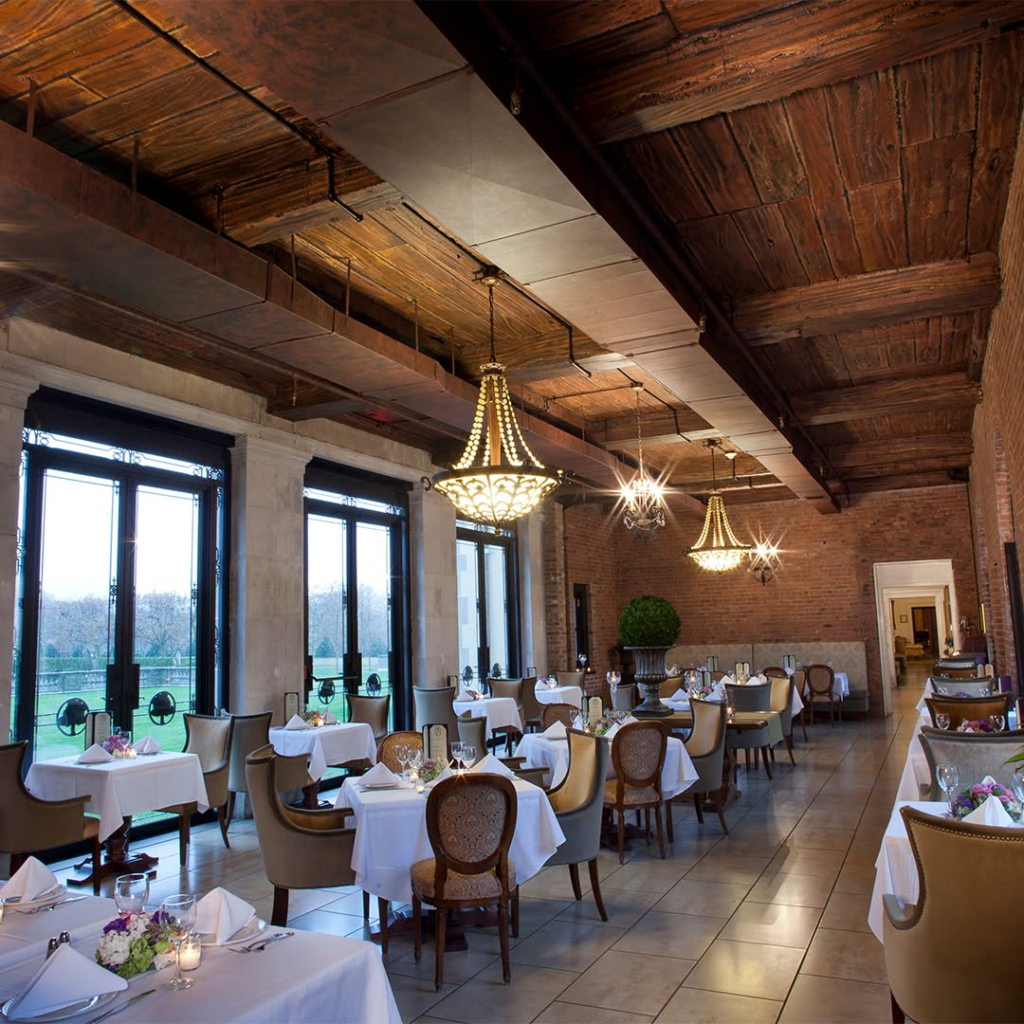
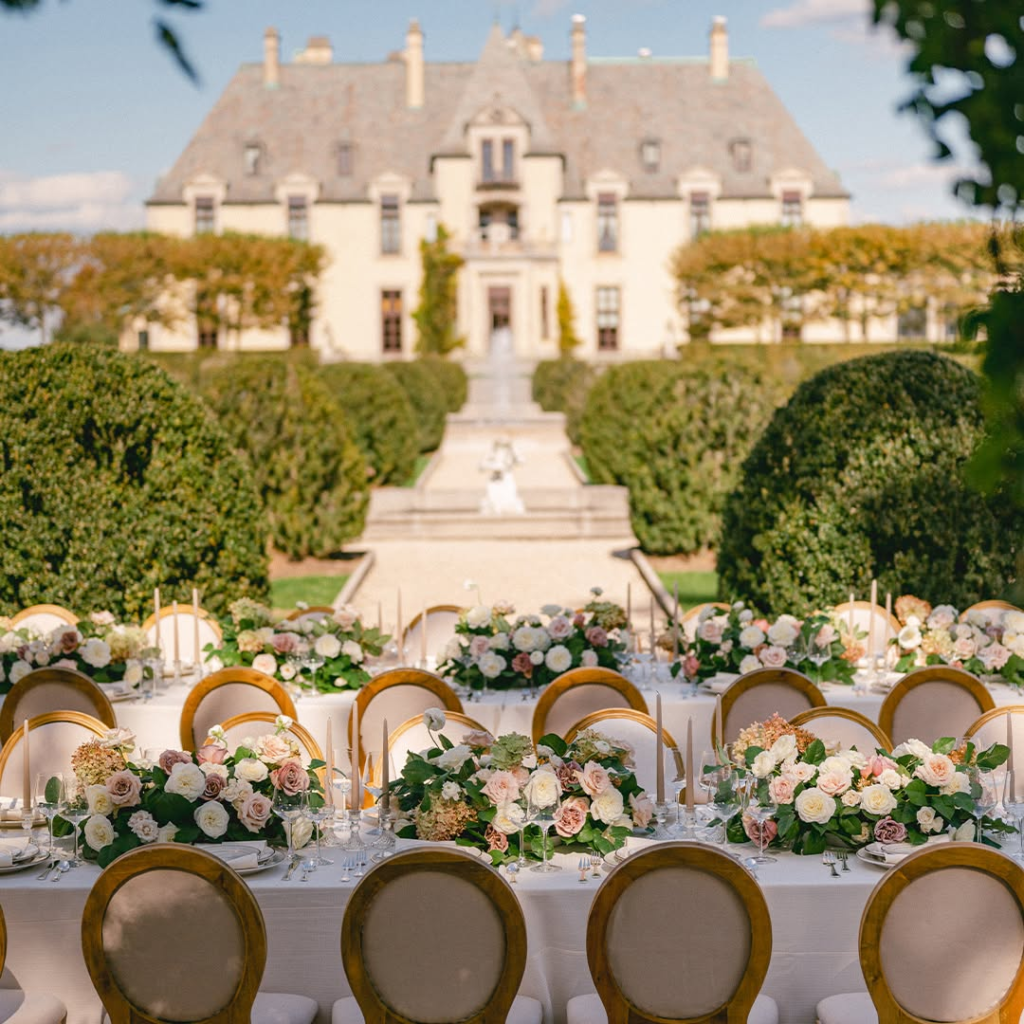
Oheka already operates as a hotel, restaurant, wedding venue, and private-event destination. That gives the property an existing commercial identity rather than requiring a buyer to create demand from scratch.
The opportunity is to evaluate whether those operations can continue generating revenue while the owner explores additional uses for the surrounding land. A successful strategy could diversify income and increase the property’s long-term value.
However, operating a luxury venue while undertaking residential development requires careful planning around construction, access, parking, guest experience, and the preservation of the estate’s character.
3. It demonstrates how financial distress can create acquisition opportunities.
The difference between the reported $137 million appraisal and the $72 million winning bid will attract investor attention. Yet distressed-property acquisitions require more than comparing two numbers.
Buyers need to examine creditor claims, bankruptcy court conditions, outstanding obligations, property maintenance, insurance, capital expenditure requirements, and any restrictions attached to the asset. A lower purchase price can create an opportunity, but it can also reflect substantial execution risk.
For brokers, this is a reminder to investigate the reasons behind a distressed sale before presenting it as a bargain.
4. It reinforces the commercial value of historic preservation.
Oheka’s architecture, cultural history, reputation, and established events business are important parts of its identity. Its association with movies and pop culture also contributes to its recognition beyond Long Island.
Preservation can support tourism, hospitality demand, premium event pricing, and destination marketing. At the same time, historic properties may require specialized maintenance and careful planning when owners consider redevelopment.
For investors, the goal is to understand which historic features create revenue opportunities and which preservation requirements affect operating costs and future construction.
5. It could influence the surrounding Huntington market.
A residential project of up to 95 condominium units could bring additional housing, residents, and consumer spending to the area. Depending on the final design and market positioning, it could also support nearby restaurants, retail businesses, and services.
The effects will depend on the project’s eventual completion, the price point of the units, traffic and parking arrangements, infrastructure capacity, and local demand. Nearby property owners should monitor these factors rather than assume that new development will automatically increase every property’s value.
What Should NYC Commercial Real Estate Brokers And Investors Watch Next?
For us, the Oheka Castle sale reinforces one important principle. The strongest real estate opportunities often require us to look beyond the property’s current use and understand what the site could support over time.
Here is how we would approach a deal with similar characteristics.
1. Review current income and future development potential.
Review the existing business’s operating performance, occupancy, event bookings, revenue streams, and capital requirements. Then evaluate the development opportunity separately, including projected costs, potential sales revenue, financing, and the approvals still required.
2. Verify every development assumption.
Do not rely solely on a headline announcing approved units. Review zoning, site-plan status, infrastructure requirements, environmental conditions, parking, and any restrictions on construction. In Oheka’s case, the 95-unit proposal still needs to complete the Planning Board site-plan process.
3. Compare the purchase price with realistic total investment.
The $72 million bid is an important benchmark, but it is not the full cost of owning, operating, restoring, or developing the property. Investors should model acquisition costs, debt obligations, renovations, construction, financing, and operating expenses before estimating returns.
4. Assess the existing business as an asset, not just a placeholder.
Oheka’s established hospitality operations and reputation may provide value that would be difficult and expensive to recreate. Before changing an existing use, investors should determine whether improving the business could produce better risk-adjusted returns than redevelopment alone
5. Look for similar opportunities across the region.
Properties with established commercial uses, underutilized land, and additional development potential deserve closer analysis. These may include hotels, event venues, older commercial properties, and large estates where zoning or previously approved plans create options for future use.
What Lessons Can Investors In The New York CRE Market Learn From The Oheka Deal?
We see the Oheka Castle transaction as a case study in the complexity of valuing real estate with multiple income streams and development possibilities.
The $72 million winning bid, seven qualified bidders, $137 million reported appraisal, and potential 95-unit condominium project provide useful reference points. But the ultimate success of the investment will depend on the final sale terms, operating performance, development approvals, capital requirements, and the buyer’s ability to balance preservation with commercial objectives.
For NYC commercial real estate brokers, this is a reminder to look beyond asking prices and headline valuations. Understand the property’s existing economics, verify its legal development potential, and identify the risks that could change the investment thesis.
For investors, the lesson is equally direct. A property’s greatest opportunity may lie in the combination of what it already does well and what it can legally become. The challenge is determining whether that potential can be delivered profitably.
At NYCCREA, we believe informed decisions start with understanding the asset, the market, and the numbers behind the opportunity.
For more insights and commercial opportunities in New York City and Western Nassau County, follow us.
Andreas Nakos
Licensed Associate Real Estate Broker
917.886.6918
andreas.nakos@elliman.com
Steven Llorens
Licensed Associate Real Estate Broker
917.830.7091
steven.llorens@elliman.com