

November 4, 2026
- A new kind of retail experience is expanding on Long Island.
Social Play Haus combines dining, children’s play, coworking, entertainment, and private events under one roof. - The market fundamentals support experiential retail.
Long Island retail vacancy declined from approximately 5% in 2025 to an estimated 4.2% in 2026, signaling stronger demand for commercial space and opportunities for modern, experience-driven retail concepts. - We are proud to help bring this concept to Williston Park.
NYCCREA and Douglas Elliman Commercial, together with Dennis Gandley, Licensed Real Estate Salesperson, helped Social Play Haus secure its new location for its first franchise.
What Is Happening in Long Island’s Retail Industry?
Retail is not disappearing. It is changing what it offers.
Consumers can order groceries, shop for clothes, book services, and buy almost anything online. So why would they still visit a physical commercial property?
The answer is experience.
Today’s successful retail concepts increasingly give customers something they cannot get from an online transaction. That includes entertainment, social interaction, convenience, food, wellness, and opportunities to connect with their communities.
We are seeing this shift across Long Island’s commercial real estate market. Restaurants, fitness concepts, medical and wellness providers, entertainment venues, and specialized recreational businesses are finding opportunities in properties that may not fit the traditional retail model.
This creates opportunities for businesses that understand local demographics and deliver services around how people actually live.
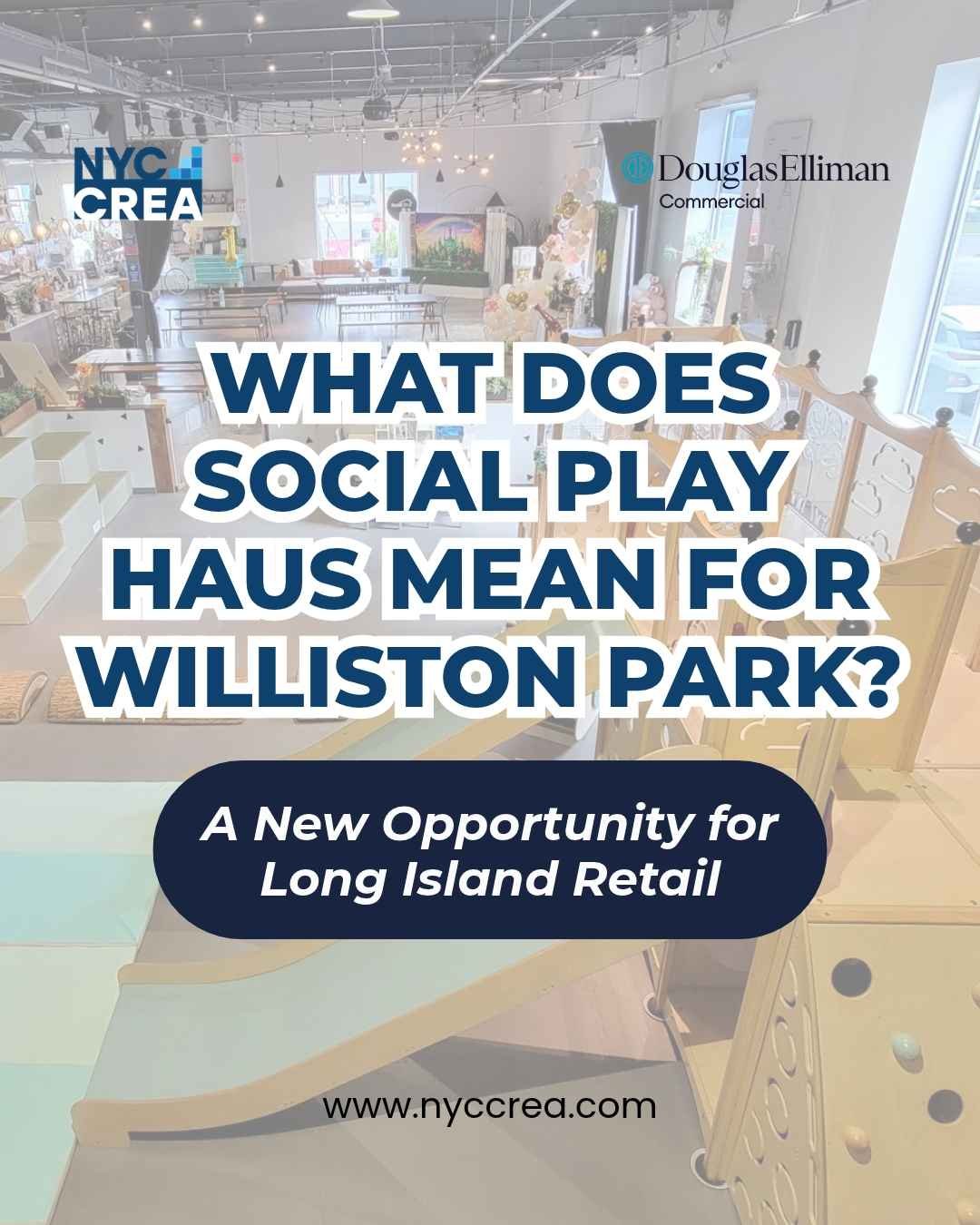
One example is Social Play Haus, which is bringing its family-focused restaurant and entertainment concept to Williston Park, New York.
What Is Social Play Haus and Why Is Its Business Model Different?
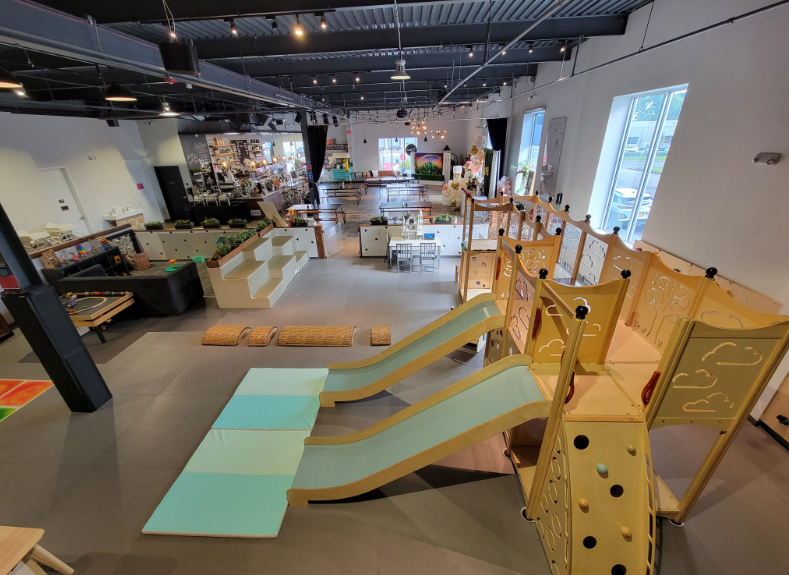
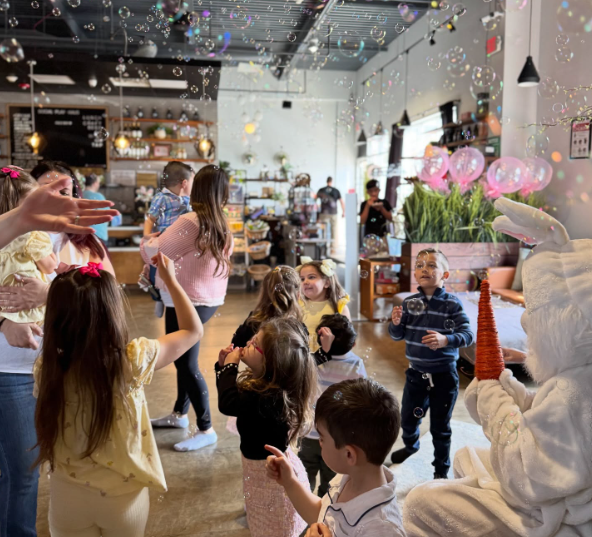
Social Play Haus is not simply a restaurant with a children’s play area. It combines several uses into one commercial destination.
Its concept is built around four activities: Play, Eat, Work, and Party.
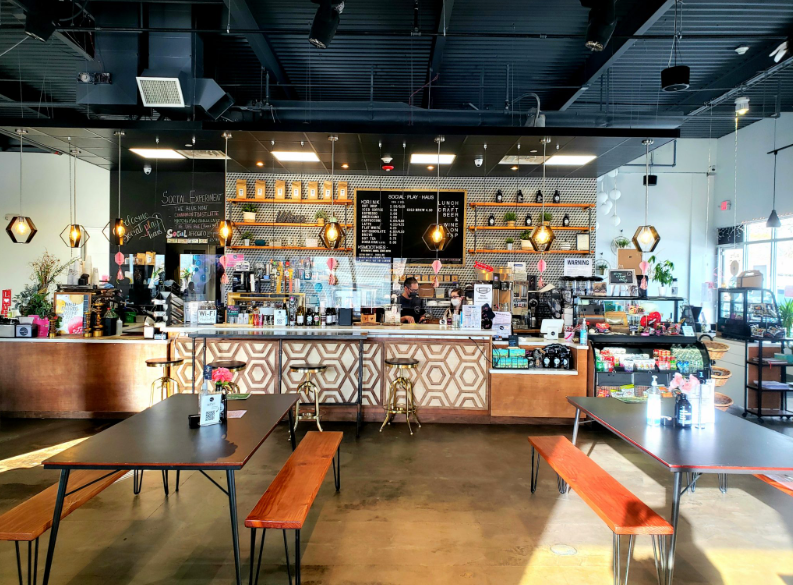
Families can enjoy artisanal flatbreads, coffee, tea, pastries, beer, wine, and hard cider while their children explore a thoughtfully designed indoor play area.
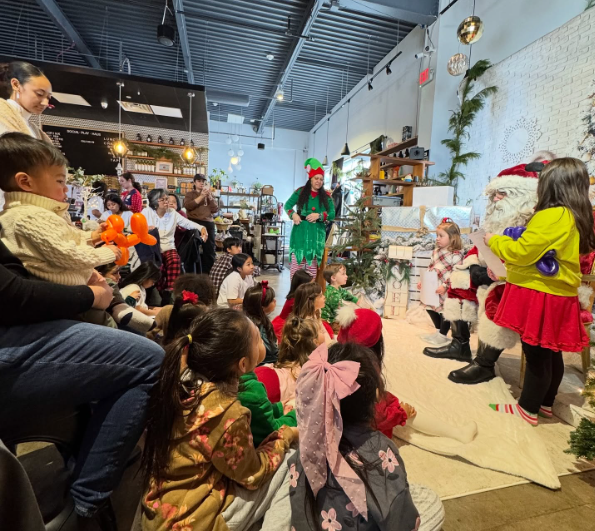
Parents can also use the space for coworking, informal meetings, and social gatherings. The venue offers private event experiences for birthdays, baby showers, family reunions, school events, and other celebrations.
The business addresses several customer needs through one location.
- Family entertainment
Modern play areas primarily designed for infants, toddlers, and children up to six years old. The spaces encourage creativity, motor skills, language development, and positive social interaction. - Food and beverage
A streamlined menu featuring hot entrees, artisanal flatbreads, gourmet coffee, tea, pastries, and a curated selection of beer and wine. - Flexible work and social spaces
A work bar, free Wi-Fi, and an open dining area where parents can work or meet while remaining close to their children. - Private events
An exclusive event space for children’s parties, adult celebrations, family gatherings, and community activities. - Community building
A welcoming environment where parents, caregivers, children, and neighbors can interact and develop relationships.
The concept also has a business model designed around operational efficiency. Its franchise information identifies the typical space requirement, initial investment range, and Financial Performance Representation.
The franchise model is designed to keep the menu and back-of-house operations manageable, with approximately two to three employees per shift depending on bookings and activities.
These requirements make property selection particularly important. The right location needs enough room for dining, play, events, parking, and customer circulation without creating unnecessary occupancy and operating costs.

How Did Social Play Haus Grow From One Location to Its First Franchise?
Social Play Haus has spent several years developing its concept and building its customer base.
Here are the major milestones.
- 2019 – First location opens in Plainview, Long Island
The founders launch the first indoor beer garden and event space, combining family entertainment with food and beverage service. - 2020 – Business adapts during COVID-19.
Indoor dining and events were temporarily suspended for three months due to restrictions. The business continued offering takeout and introduced seasonal products such as artisanal hot cocoa bombs to stay connected with customers. - 2021 – Community engagement grows.
The venue hosts community events, markets, networking gatherings, and private celebrations. - 2022 – National entertainment collaboration.
Social Play Haus hosts the official Harry Styles’ pre-listening party in partnership with Columbia Records and 106.1 BLI radio. - 2023 – Franchise expansion begins.
The company starts its franchising process and officially launches franchise opportunities at the International Franchise Expo in New York City. - 2024 – National recognition.
Social Play Haus is named among Yelp’s Top 10 Local Businesses for Kids Activities in the United States. - 2025 – First franchise enters development.
The company welcomes its first franchise partners and begins preparing its next location. - 2026 – Williston Park expansion.
The first franchise location is projected to open in Williston Park, New York.
What Does This Mean for Commercial Real Estate and the Local Community?
The Social Play Haus expansion highlights several developments that commercial real estate brokers, landlords, investors, and local communities should pay attention to.
1. Experiential retail creates new demand for commercial properties.
Traditional retail is no longer the only option for neighborhood commercial spaces.
Businesses that combine entertainment, dining, recreation, and services can attract customers for longer visits and multiple reasons. Social Play Haus is a good example of how a single property can support several revenue-generating activities.
For landlords, this expands the potential tenant pool beyond conventional retailers and restaurants.
2. Adaptive reuse can unlock value in existing properties.
Social Play Haus Williston Park is planned for the former Peter Andrews flagship location.
Repurposing an existing commercial space for a new business concept can create opportunities for both landlords and tenants. Instead of relying entirely on new construction, operators can evaluate existing buildings with suitable layouts, infrastructure, and parking.
For brokers, this reinforces the importance of understanding a property’s potential beyond its previous use.
3. Family-oriented businesses can strengthen neighborhood commercial districts.
Nassau County has approximately 1.4 million residents, and 20.6% of its population is under 18, according to the U.S. Census Bureau’s 2025 QuickFacts data.
Businesses that serve families can create recurring local traffic through play sessions, dining, celebrations, and community activities.
That can benefit neighboring businesses as customers combine multiple errands, meals, and activities during one visit.
4. Multiple business activities can create more reasons for repeat visits.
Social Play Haus does not depend on one customer occasion.
A family might visit for morning coffee and playtime, return for lunch, book a birthday party, or attend a community event.
This combination of dining, recreation, coworking, and events creates different opportunities to generate customer visits throughout the week.
For commercial property owners, tenants with multiple customer segments and uses can be attractive, provided the business has a sustainable operating model.
5. Parking, accessibility, and zoning remain critical.
A 3,000 to 5,000-square-foot family entertainment and dining concept needs more than a suitable storefront.
It requires adequate parking, appropriate building infrastructure, compliant occupancy and safety arrangements, and zoning that permits its intended uses.
Brokers must evaluate these factors early in the site-selection process. A property that looks attractive on paper may not work once the tenant’s operational requirements are considered.
6. Franchising can bring established concepts into new neighborhoods.
Social Play Haus demonstrates how a locally developed concept can evolve into a franchise opportunity.
Its first franchise in Williston Park introduces the brand to a new community while giving the business a platform for future expansion.
For investors and landlords, established franchise concepts can offer a recognizable brand, an operating framework, and a defined customer proposition. However, franchise performance, financial projections, and investment requirements still need independent evaluation.
7. Commercial properties can become community destinations.
A successful neighborhood commercial property does more than generate rental income.
It can provide spaces where families gather, entrepreneurs operate, residents meet, and local businesses benefit from increased activity.
Social Play Haus brings these functions together in one location. Its arrival adds another option for families and creates a new destination within the Williston Park community.
What Should CRE Brokers and Investors Learn From the Social Play Haus Expansion?
We see several important lessons from this transaction.
For commercial real estate brokers, understand the business before recommending the property.
A tenant’s requirements go beyond square footage and rental rates. We need to understand its operating model, customer demographics, parking requirements, zoning needs, build-out costs, and long-term expansion plans.
For a concept like Social Play Haus, finding a suitable 3,000 to 5,000-square-foot property for the event space is only part of the process. The location must support dining, children’s activities, private events, and everyday customer traffic.
For landlords, consider nontraditional tenants.
A property that may not attract a conventional retailer could be an excellent fit for an experiential business, entertainment operator, wellness provider, or community-focused concept.
The key is evaluating the tenant’s financial capacity, use requirements, lease structure, and ability to generate sustainable demand.
For investors, look beyond traditional retail categories.
Experiential retail deserves attention, but it is not automatically a winning investment.
We recommend examining the local customer base, competing businesses, accessibility, parking, occupancy costs, tenant financials, and realistic revenue assumptions.
For franchise opportunities, investors should review the Franchise Disclosure Document, particularly Item 19 when available, and understand the full investment range before committing capital.
For business owners, location strategy matters as much as the concept.
A strong business idea still needs the right commercial property. Site selection should consider where customers live, how they travel, what competing options exist, and whether the property can accommodate the business as it grows.
Why Are We Excited About Social Play Haus Coming to Williston Park?
At NYCCREA and Douglas Elliman Commercial, we are proud to have helped Social Play Haus find a space for its first franchise location in Williston Park, New York, together with Dennis Gandley, Licensed Real Estate Salesperson.
We are excited to be part of this milestone and welcome the Social Play Haus team and franchise owners Natalie and Argelis Sanchez to the Williston Park community.
The founders, Marc and Jennifer Bacayon, have built a concept around a simple but important idea.
Families need places where children can play, parents can relax, and communities can connect.
Their experience in customer service, food and beverage operations, event planning, and child psychology helped shape a business that brings together several complementary uses.
For Williston Park, this means a new destination where families can eat, play, work, celebrate, and spend time together.
For commercial real estate, it is another example of how the right tenant and the right property can create value beyond a traditional retail transaction.
Our takeaway is straightforward. We should not limit our thinking about commercial real estate to what a property used to be. We should look at what it can become, who it can serve, and how it can contribute to the surrounding community.
The future of neighborhood retail will not be defined by storefronts alone. It will be shaped by businesses that give people a reason to visit, return, and connect.
Are you looking for the right commercial space for your business, or considering an investment in New York commercial real estate?
We at NYCCREA and Douglas Elliman Commercial can help you evaluate opportunities, identify suitable properties, and navigate the commercial real estate market.
For more insights and commercial opportunities in New York City and Western Nassau County, follow NYCCREA.
Andreas Nakos
Licensed Associate Real Estate Broker
917.886.6918
andreas.nakos@elliman.com
Steven Llorens
Licensed Associate Real Estate Broker
917.830.7091
steven.llorens@elliman.com