

November 11, 2026
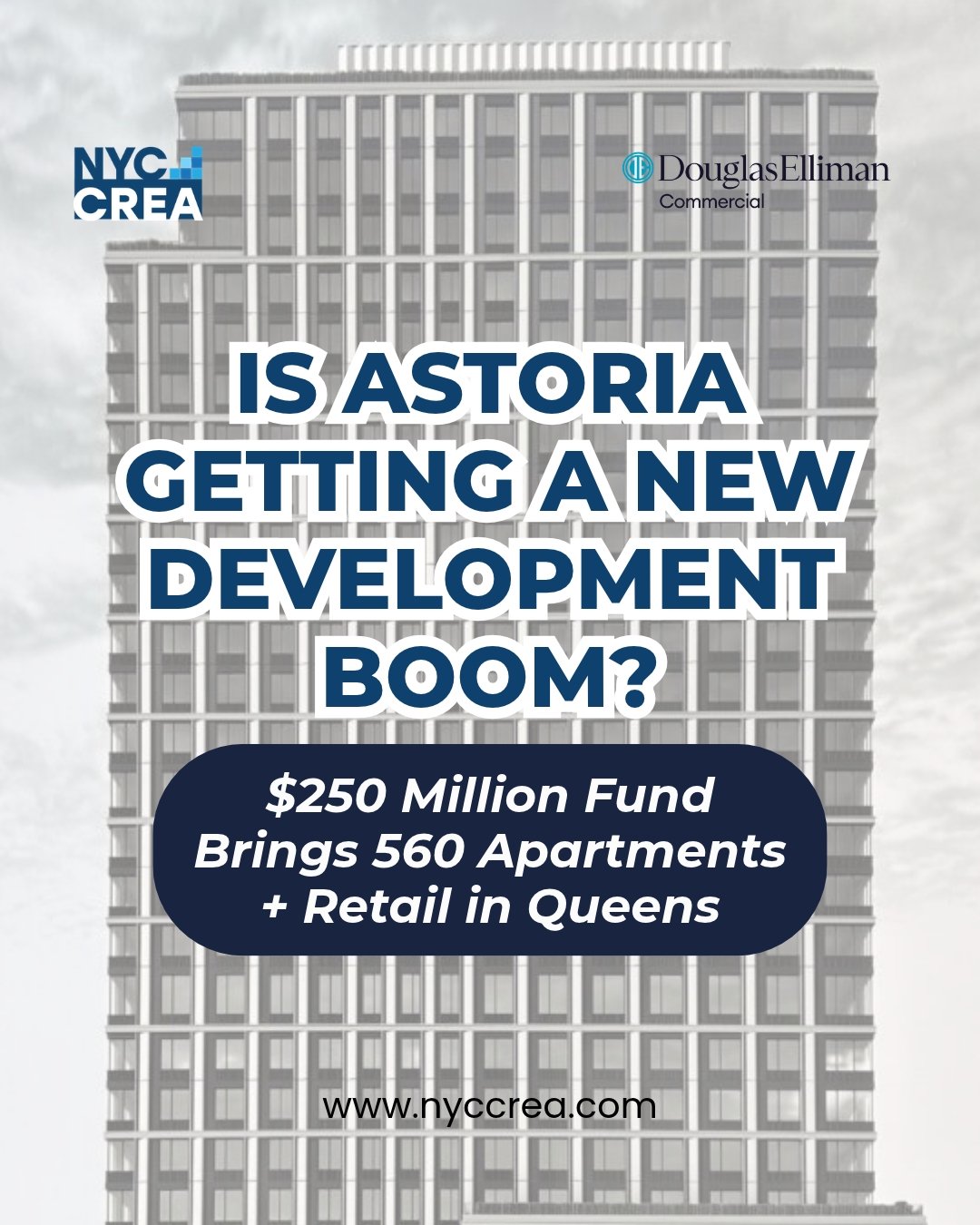
- 560 rental apartments are planned for a new 27-story mixed-use development at 35-10 Steinway Street in Astoria, Queens, spanning nearly 500,000 square feet.
- 25% of the apartments, or approximately 140 units, will be affordable, averaging 60% of Area Median Income (AMI) under the Mandatory Inclusionary Housing program.
- A $250 million construction loan from New York Life Investment Management is financing the project, which is targeting completion in January 2029.
What Is Happening at 35-10 Steinway Street in Astoria?
Astoria’s development landscape is changing, and one of its latest projects is moving closer to construction.
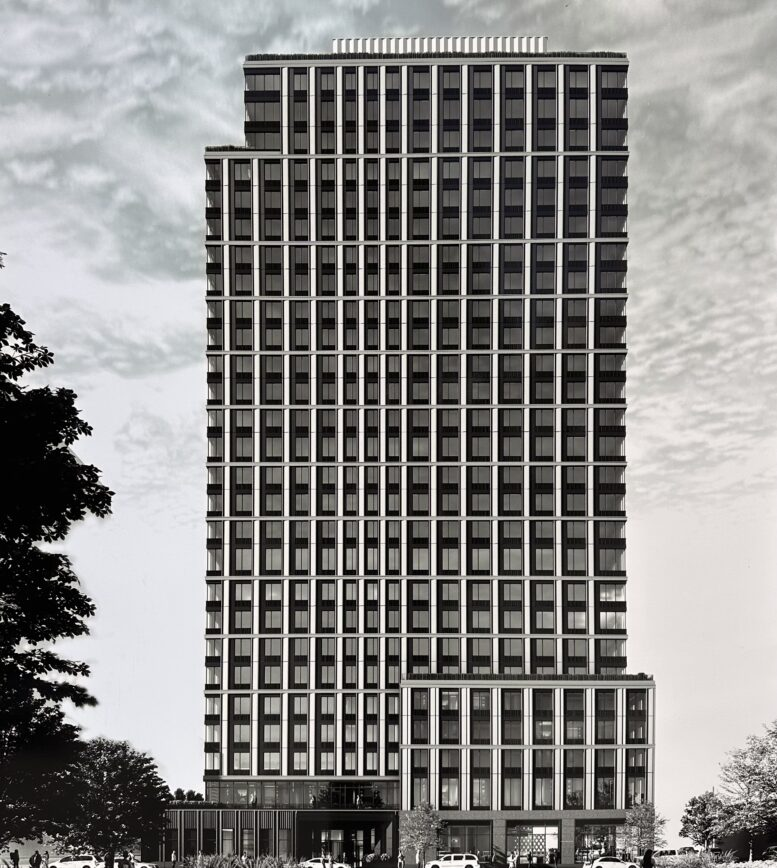
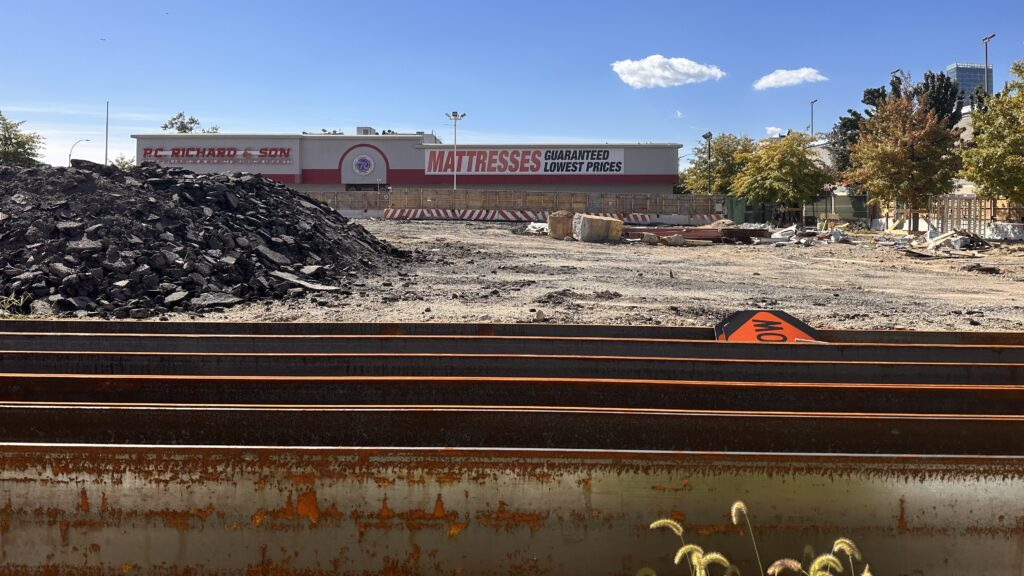
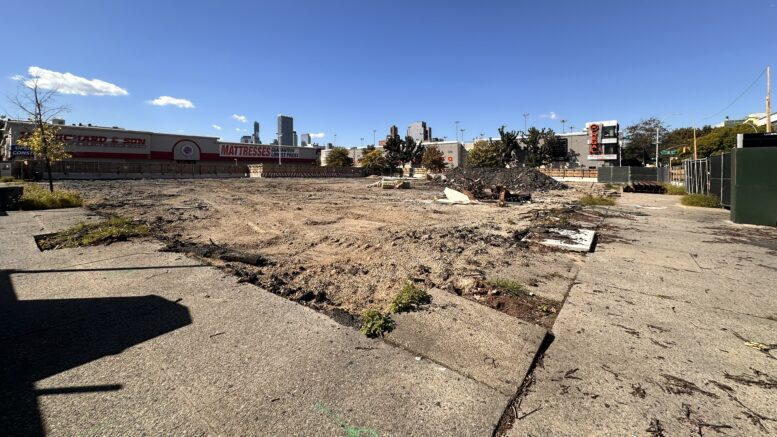
According to reports from New York YIMBY and QNS, demolition is now complete at 35-10 Steinway Street, clearing the way for a 27-story mixed-use residential tower that will bring 560 rental apartments and ground-floor retail to the neighborhood. The project, known as Steinway Crossing, is being developed by a joint venture between LMXD and BedRock Real Estate Partners.
The nearly 500,000-square-foot development represents a significant investment in an area traditionally characterized by low-rise buildings and commercial properties.
The developers have also secured $250 million in construction financing from New York Life Investment Management, with JLL arranging the deal. Construction activity is expected to move forward, with the project targeting completion in January 2029.
For us as commercial real estate brokers, this is more than another residential tower. It signals continued developer interest in Astoria, the growing importance of mixed-use properties, and the potential for commercial corridors to benefit from new residential density.
What Are the Major Developments Behind Steinway Crossing?
Here are five important details shaping the project and its significance for Astoria.
1. A 27-story tower will deliver 560 rental apartments
The proposed building will span nearly 500,000 square feet and offer studio, one-bedroom, two-bedroom, and three-bedroom apartments.
Designed by Beyer Blinder Belle, the tower will feature floor-to-ceiling windows, metal paneling, terraces, and setbacks at the sixth and 25th floors.
Its height will make it a prominent addition to Astoria’s predominantly low-rise surroundings.
2. Approximately 140 apartments will be affordable
Twenty-five percent of the 560 apartments, or approximately 140 units, will be reserved for affordable housing under the city’s Mandatory Inclusionary Housing program.
These apartments will average 60% of Area Median Income.
This affordability component is particularly important because it connects the development to the city’s broader housing production goals while introducing additional residential density into the neighborhood.
3. Developers secured $250 million in construction financing
LMXD and BedRock Real Estate Partners secured a $250 million loan from New York Life Investment Management.
The financing was arranged by JLL and supports the project’s acquisition and development.
The developers previously purchased the main property for $53 million. They also acquired adjacent properties at 35-17 42nd Street and 42-08 35th Avenue for $15.8 million earlier in 2026.
Together, these transactions demonstrate the scale of capital being committed to the redevelopment opportunity.
4. The project replaces part of the former Innovation QNS proposal
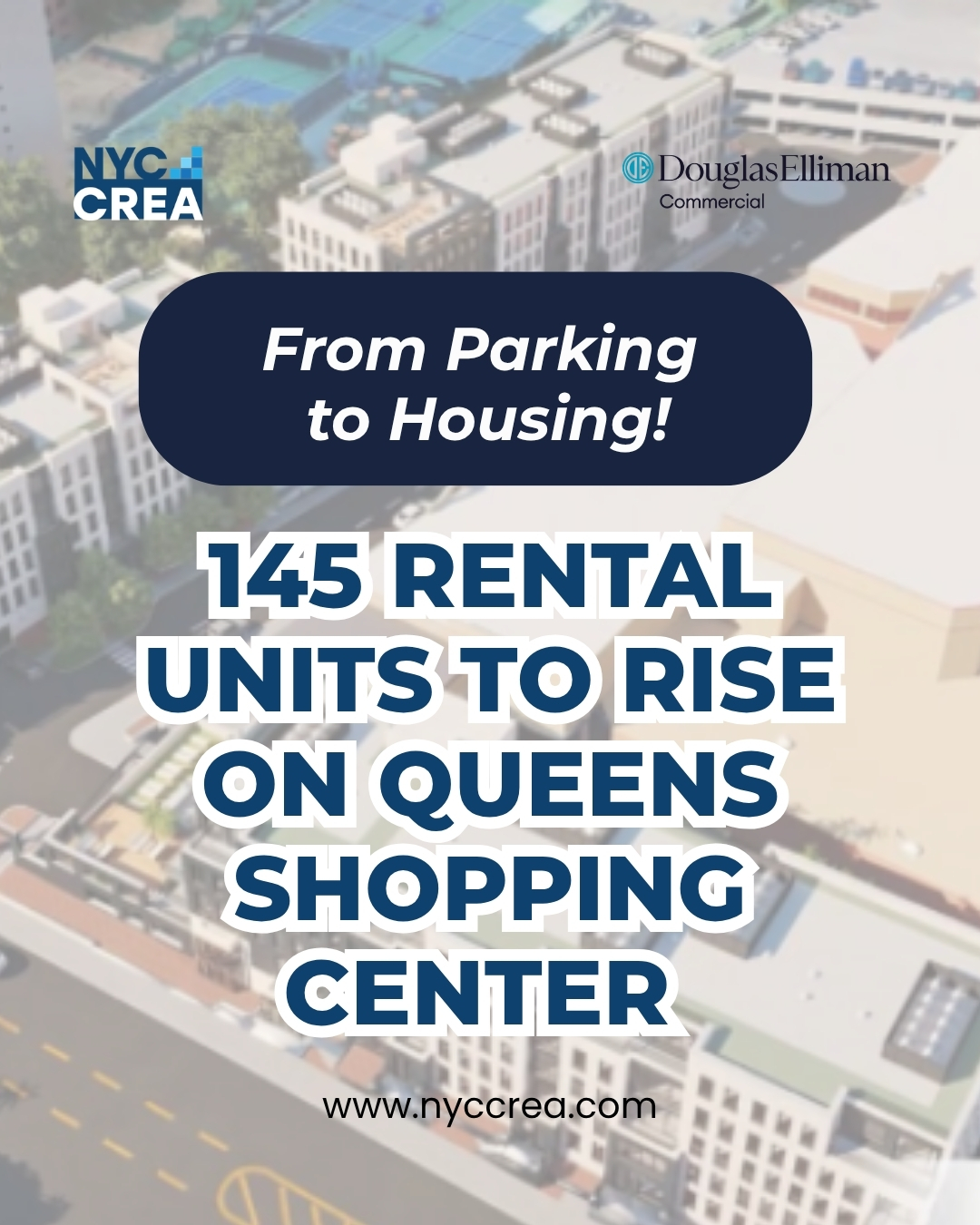
The site was originally included in Innovation QNS, a proposed $2 billion mixed-use development that received City Council approval in 2022.
The original master plan envisioned approximately 3,200 apartments, including 1,436 affordable units, along with retail, community facilities, and more than two acres of public green space.
However, the larger proposal was abandoned in September 2025 amid uncertainty surrounding development economics and the expiration of the 421-a tax exemption in 2022.
The current project reflects a different approach, with development moving forward through a smaller-scale project rather than the original megaproject framework.
Importantly, local officials have emphasized that developers moving forward with portions of the original rezoning plan are still expected to honor applicable affordable housing and community benefit commitments.
5. Retail and transportation will support the development
The building will include ground-floor retail space for P.C. Richard & Son, connecting the new residential development with an established commercial presence on Steinway Street.
Residents will also have access to the M and R subway lines at the Steinway Street station.
Demolition is complete, although construction machinery had not yet arrived as of October. Excavation could begin before the end of the year.
The current target completion date is January 2029.
How Will Steinway Crossing Impact Commercial Real Estate in Astoria?
For commercial property owners, investors, landlords, and brokers, a 560-unit residential development can create opportunities beyond the apartment market.
We see five potential commercial real estate implications.
1. Will 560 new apartments increase demand for neighborhood retail?
More residents mean more potential customers for businesses operating along Steinway Street and surrounding commercial corridors.
The development could strengthen demand for:
- Restaurants, cafes, and quick-service food businesses
- Grocery stores and specialty food retailers
- Medical, dental, and wellness practices
- Fitness studios and personal care businesses
- Convenience retail and neighborhood services
The inclusion of ground-floor retail also reinforces the importance of integrating commercial space into residential developments.
For retail landlords, the opportunity is to position properties around the everyday spending habits of a larger residential population.
2. Could surrounding commercial properties become more valuable?
Increased residential density can improve the long-term commercial appeal of nearby properties.
More households can translate into stronger consumer activity, better visibility for neighborhood businesses, and greater interest from retail tenants.
However, property owners should not automatically assume that nearby values will increase. Actual performance will depend on rents, occupancy, tenant demand, property condition, accessibility, and competing commercial supply.
We recommend evaluating each property based on its location, zoning, income potential, and redevelopment possibilities.
3. Will developers and investors look more closely at Astoria?
The $250 million construction loan demonstrates that institutional capital is supporting large-scale residential development in the neighborhood.
Combined with the $53 million acquisition and $15.8 million in adjacent property purchases, the transactions highlight the substantial capital involved in assembling and developing strategic sites.
For investors, this raises important questions about other underutilized properties, especially surface parking lots, older commercial buildings, and parcels with potential for mixed-use redevelopment.
Astoria’s development activity could attract additional interest from developers looking for opportunities outside Manhattan and other established high-density markets.
4. How will affordable housing requirements influence future development?
The project’s 25% affordable housing commitment is an important consideration for future development proposals.
Mandatory Inclusionary Housing requirements, construction costs, financing conditions, and available tax incentives all influence project feasibility.
The history of Innovation QNS also demonstrates how changes in tax policy can affect large-scale development plans.
For developers and landowners, understanding zoning, affordable housing obligations, and financing structures early in the acquisition process is essential.
5. Could residential growth create new investment opportunities along Steinway Street?
The strongest opportunities may not be limited to the development site itself.
Existing commercial properties could become more attractive to businesses seeking access to a larger customer base.
Investors should pay attention to properties with flexible layouts, strong street frontage, convenient transportation access, and the potential to accommodate neighborhood-serving businesses.
For property owners considering a sale, this may also be an appropriate time to reassess market positioning and potential buyer interest.
What Should Commercial Real Estate Brokers and Investors Take Away From This Development?
We see Steinway Crossing as an important example of how New York City’s commercial corridors can evolve through residential development.
The numbers tell the story. A 27-story building, 560 apartments, nearly 500,000 square feet, a $250 million construction loan, and approximately 140 affordable homes represent a substantial investment in Astoria.
But the bigger takeaway is the relationship between residential density and commercial real estate performance.
For CRE brokers, we recommend monitoring three areas.
- Track development activity and zoning changes. Identify properties near major residential projects and understand how new density could influence tenant demand, land values, and redevelopment potential.
- Help commercial property owners understand their positioning. Evaluate comparable transactions, rental rates, property conditions, zoning, and potential highest-and-best-use scenarios before recommending a sale or lease strategy.
- Watch emerging retail demand. As residential projects approach completion, identify businesses that could benefit from new customers and connect them with suitable commercial spaces.
For investors, we recommend looking beyond the headline development numbers. Evaluate acquisition costs, financing terms, construction timelines, affordable housing obligations, and the actual demand for commercial space in the surrounding market.
Astoria’s next phase of growth will not depend on residential construction alone. It will also depend on how effectively developers, landlords, retailers, and investors respond to the changing needs of the neighborhood.
At NYCCREA, we believe understanding these connections is essential to making informed commercial real estate decisions. The opportunities are not always inside the next major development. Sometimes, they are in the commercial properties, businesses, and investment opportunities surrounding it.
For more insights and commercial opportunities in New York City and Western Nassau County, follow us.
Andreas Nakos
Licensed Associate Real Estate Broker
917.886.6918
andreas.nakos@elliman.com
Steven Llorens
Licensed Associate Real Estate Broker
917.830.7091
steven.llorens@elliman.com