

January 7, 2026
Key Highlights
- More than 102,000 units absorbed in Q3 2025 alone. Demand stays strong despite uncertainty.
- Rent growth slows to 1.5 percent year over year as owners protect occupancy.
- New supply drops fast with deliveries down 27 percent year over year.
How New York Stacks Up
At NYCCREA, we see the contrast clearly. While many Sun Belt and lower growth markets feel pressure from recent supply, New York keeps showing resilience. Based on the Q3 2025 Multifamily report of Cushman and Wakefield, national rents grew just 1.5 percent year over year, yet New York posted 3.7 percent growth. That puts us ahead of the national average and close to the Northeast average of 3.4 percent. Chicago also stood out at 4.2 percent. In the South, rent growth lagged at only 0.6 percent as new supply weighed on performance. This gap tells us where fundamentals still work.
While the South region experienced the weakest multifamily rent growth due to a heavy influx of new supply, the largest cities in the Midwest and Northeast led the market with Chicago and New York registering gains. These multifamily properties (complexes containing multiple separate living units like apartments or duplexes) remain a primary vehicle for generating rental income, though their performance currently varies significantly based on regional supply-demand dynamics.

Net Absorption Is on Track for One of the Best Years Since 2000
Even with concerns about the economy, people are moving into apartments at near-record levels. In the third quarter of 2025 alone, over 102,000 more people moved into units than moved out. While this is a slight dip compared to the massive surge seen last year, the overall demand for 2025 remains very strong and is on track to be one of the best years for the rental market in over two decades.
- Net absorption reached more than 102,000 units in Q3 2025. This marks the third straight quarter above 100,000 units.
- Year to date demand is down only 4 percent from last year, which was near record setting. That is strong by any standard.
- Even with Q3 absorption running 12 percent below last year, 2025 is still on track to be the third strongest year for absorption since 2000.
- Overall vacancy fell for the third straight quarter from 9.22 percent to 9.02 percent. Direction matters more than the headline number.
- Stabilized vacancy remains about 90 basis points below its historic peak, showing that much of the supply surge is already absorbed.

What This Means for Commercial Real Estate
Despite a shaky economy, rental demand remains incredibly high, putting 2025 on track to be one of the best years for move-ins since 2000. To keep buildings full during these uncertain times, landlords are focusing on keeping tenants in their units rather than raising rents. At the same time, the flood of new construction is finally slowing down, with fewer than 100,000 new apartments expected to open per quarter for the near future.
- Owners are choosing occupancy over rent growth. Rent growth slowed from 2.2 percent earlier this year to 1.5 percent year over year in Q3.
- Renewal rents remain healthier at around 3 to 4 percent nationally, even as new lease rents soften.
- New supply is easing fast. Q3 deliveries totaled 109,000 units, down 27 percent year over year. Future quarters are expected to stay under 100,000 units.
- The construction pipeline fell to about 450,000 units under construction, the lowest level in a decade. This is more than 50 percent below the peak and 17 percent below the pre pandemic average.
- New York led the pullback in development, shedding more than 22,000 units from its pipeline. Dallas Fort Worth, Austin, and Houston followed with declines of about 13,000 units each. San Francisco rents rose 7.8 percent year over year and San Jose rose 5.2 percent, driven by AI investment and return to office trends.
Our 2026 Outlook From the NYCCREA Desk
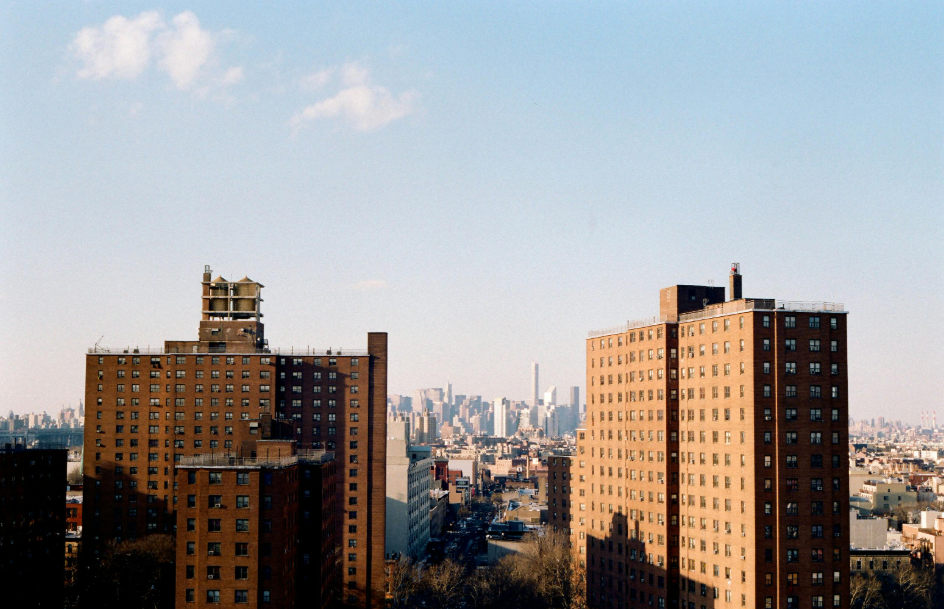
From where we sit, 2026 looks like a reset year. Demand never broke. Supply is finally slowing. Vacancy is moving in the right direction. With starts at levels last seen in 2012 and pipelines shrinking across almost every major metro, balance is coming back. If economic anxiety fades even modestly, rent growth has room to reaccelerate. In New York, where development has pulled back the most and rents already outperform the national average, we expect fundamentals to tighten faster than many expect. For investors and operators, 2026 may reward patience more than aggression.
For the latest news, proven strategies, and exclusive opportunities in commercial real estate in New York City and Western Nassau County NY, visit us at nyccrea.com
FOLLOW US:
Facebook: www.facebook.com/newyorkcityCREA
Instagram: www.instagram.com/nyccrea
LinkedIn: www.linkedin.com/company/nyccrea