

- Severe winter weather in NYC brings dangerously cold temperatures, heavy snow, and wind gusts reaching up to 55 mph.
- Building operations, elevators, energy systems, and construction sites face heightened risk during blizzards.
- Proactive preparedness and strict compliance protect lives, property, and commercial real estate value.
We know winter in New York City is never just about snow. The NYC metropolitan area regularly faces severe winter weather marked by dangerously low temperatures, heavy snowfall, ice accumulation, and powerful wind gusts ranging from 45 to 55 miles per hour. These conditions strain buildings, disrupt daily operations, and pose serious risks to residents, workers, and the public.
City agencies, including the Department of Buildings (DOB), conduct proactive inspections to ensure properties, construction sites, and equipment are secured. In a dense, vertical city like ours, emergency preparedness is not optional—it is essential. Here are some of the safety reminders from the DOB.
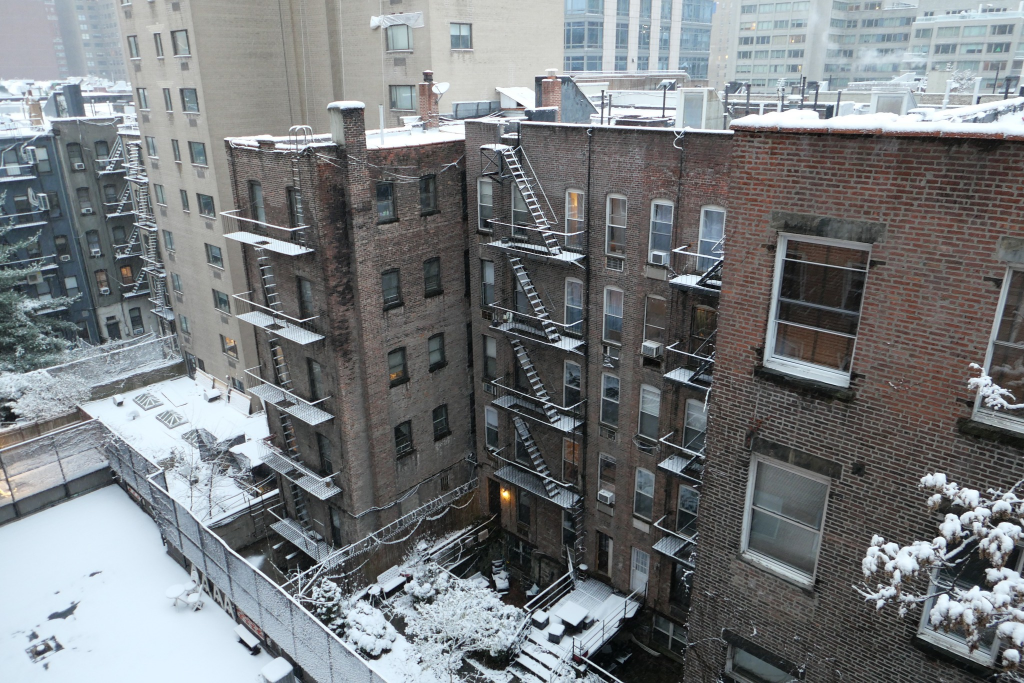
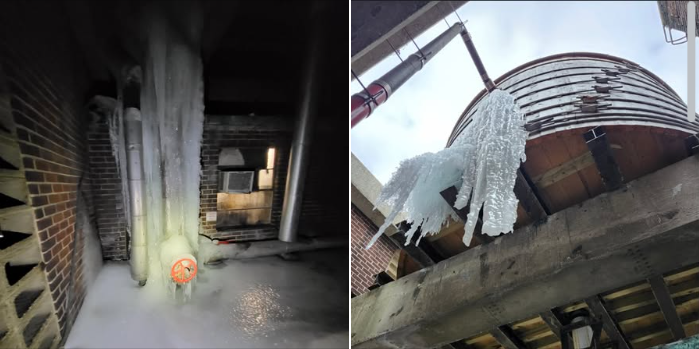
NYC DOB reminds the public that melting ice is a real danger. Falling icicles and snow can seriously injure pedestrians, damage vehicles, and force street closures. (Credits: NYC DOB)
Emergency Preparedness in Buildings and Commercial Establishments
- Secure Buildings, Sites, and Equipment
Ensure construction sites, buildings, and equipment are secured in advance of storms, following OSHA regulations and DOB guidance to protect workers and the public. - Snow and Ice Management
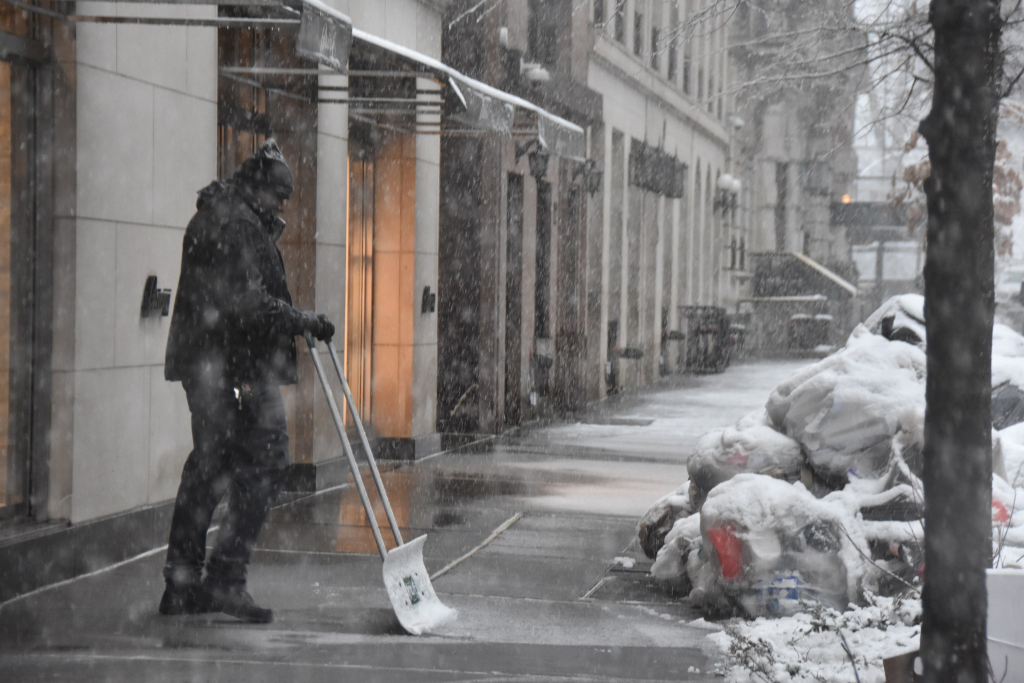
Keep sidewalks, roofs, awnings, overhangs, and entrances clear of snow and ice. Melting ice and falling icicles can seriously injure pedestrians, damage vehicles, and force street closures. - Elevator and Vertical Transportation Safety
Prioritize elevator safety, knowing that reliable elevators are a lifeline in NYC. Water intrusion and freezing can disable systems, so rapid repairs, inspections, and monitoring are critical to restoring access. - Energy and Heat Continuity
Stay informed about assistance programs like the Home Energy Assistance Program (HEAP), which supports heating needs for eligible households during extreme cold, ensuring buildings remain habitable. - Pipe and Fire Protection Systems
Protect sprinkler and standpipe systems from freezing, follow NFPA 14 requirements, and use approved methods such as heat trace tape and controlled thawing techniques—never open flames. - Winterized Construction Operations
Maintain daily housekeeping, remove debris, secure materials, and ensure scaffolds, fences, sheds, cranes, hoists, and derricks are properly braced, inspected, and operated according to building codes and OSHA standards. - Worker and Occupant Safety During Extreme Cold
Cold weather can be dangerous indoors and outdoors, particularly for vulnerable populations, so stay connected to emergency alerts through Notify NYC and 311.
Critical Winter Reminders in Buildings
The NYC DOB provides a checklist of measures to help construction sites withstand winter conditions and comply with fire, building, and safety codes. It emphasizes that construction properties must be kept safe at all times and that stalled or poorly maintained sites are particularly vulnerable.
- Clear roofs, gutters, and drainage systems to prevent ice buildup and water infiltration.
- Remove snow and ice from tree limbs, scaffolds, sidewalk sheds, and overhangs.
- Avoid work on snow- or ice-covered scaffolds except to remove hazards.
- Suspend scaffold and hoist operations during storms or high winds unless proper fall protection is in place.
- Secure cranes according to manufacturer guidance, especially when inactive for extended periods.
- Use compliant temporary heating equipment and store materials away from flames.
- Report hazardous snow and ice conditions to NYC 311 when necessary.
- Direct occupants in need to warming centers, including schools (weekends), hospitals, buses, and drop-in centers during extreme cold.
Impacts on Commercial Real Estate in NYC
We at NYCCREA see winter emergency preparedness as a direct factor in commercial real estate performance. Severe snow and blizzard conditions disrupt operations, damage assets, delay construction timelines, and increase liability exposure. Elevator outages, frozen pipes, unsafe sidewalks, and non-compliant construction sites can quickly escalate into financial losses and enforcement actions. By prioritizing preparedness, compliance, and proactive maintenance, we protect not only people but also property values, tenant confidence, and long-term CRE stability in New York City. In a city where winter weather is inevitable, resilience is a competitive advantage.
For the latest news, proven strategies, and exclusive opportunities in commercial real estate in New York City and Western Nassau County NY, visit us at nyccrea.com
FOLLOW US:
Facebook: www.facebook.com/newyorkcityCREA
Instagram: www.instagram.com/nyccrea
LinkedIn: www.linkedin.com/company/nyccrea