
June 16, 2026
Key Highlights
- Central Brooklyn is set for its first major rezoning under Mayor Zohran Mamdani, targeting transit-rich corridors along Coney Island Avenue and McDonald Avenue.
- The initiative could unlock new housing, affordable units, retail space, and mixed-use development in neighborhoods that have seen limited growth for decades.
- Brooklyn rents continue to climb, with the average one-bedroom apartment reaching $4,219 per month, up 8% year over year.
New Housing Push Signals Major Shift for Central Brooklyn
As commercial real estate brokers working throughout New York City, we at NYCCREA closely watch zoning changes because they often shape where the next wave of investment, development, and business activity will occur.
Mayor Zohran Mamdani’s administration officially launched a planning process to rezone portions of Central Brooklyn, marking the first major neighborhood rezoning effort of his administration.
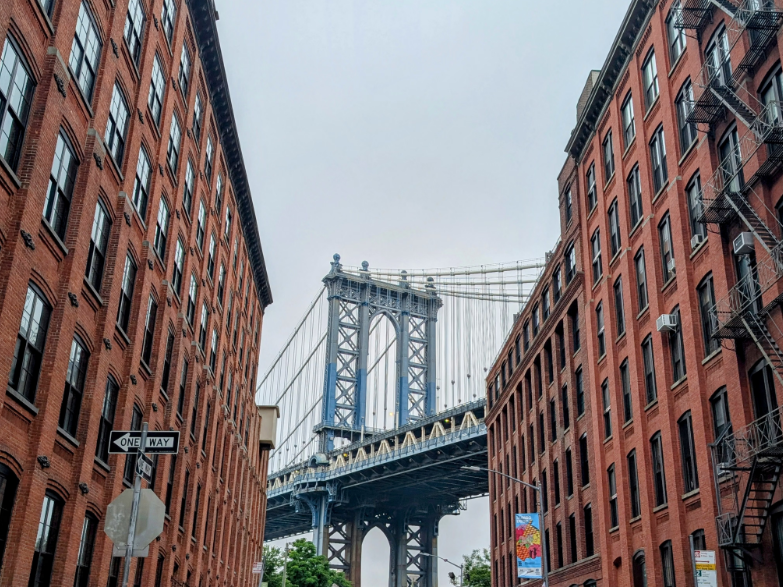
The focus areas include sections of Coney Island Avenue and McDonald Avenue south of Prospect Park, including the communities known as Little Bangladesh and Little Pakistan. These corridors have long benefited from strong transit access but have seen relatively little residential growth due to restrictive zoning policies that date back decades.
The announcement is particularly noteworthy because many developers questioned whether the new administration would embrace rezoning as a housing strategy. Instead, City Hall appears ready to continue a playbook that has been widely used in recent years to address New York City’s ongoing housing shortage.
What the City Plans to Do
- Study and Rezone Key Transit Corridors
The city will begin a formal planning process focused on areas surrounding Coney Island Avenue and McDonald Avenue. Officials believe these corridors can accommodate additional residential density because they are already served by multiple subway lines and future transit improvements. - Encourage New Housing Production
The primary objective is to create opportunities for additional residential development in neighborhoods that have remained relatively low-rise despite growing demand for housing. - Expand Affordable Housing Opportunities
City officials have repeatedly stated that affordability will be a major component of the plan. While specific requirements have not yet been released, affordable housing production is expected to be a central goal. - Support Retail and Commercial Growth
The administration also wants to create opportunities for new retail space and commercial activity that can serve growing residential populations. - Coordinate Growth Around Transit Investments
The rezoning is directly tied to the proposed Interborough Express project, a future light rail connection between Brooklyn and Queens that remains in the planning and environmental review stages. Community outreach will begin immediately, with a conceptual zoning framework expected in 2027 before any formal rezoning application enters the city’s approval process.

What This Could Mean for Commercial Real Estate
- Higher Land Values Along Key Corridors
Property owners along Coney Island Avenue and McDonald Avenue could see increased interest from developers if zoning changes allow greater residential density. Historically, rezoning announcements often drive land value appreciation well before final approvals are secured. - More Mixed-Use Development Opportunities
Many properties in the study area are currently occupied by low-rise commercial buildings. New zoning could create opportunities for mixed-use projects that combine residential units with ground-floor retail. - Greater Demand for Retail Space
Additional residents typically translate into increased consumer spending. New housing growth could strengthen demand for neighborhood retail, restaurants, service businesses, and healthcare providers. - Development Activity Around Future Transit Infrastructure
Transit-oriented development remains one of the strongest themes in New York City real estate. If the Interborough Express moves forward, properties near future stations could become significantly more attractive to investors and developers. - Potential Acquisition Opportunities
Developers will likely begin evaluating underutilized sites, aging commercial buildings, and assemblage opportunities long before zoning details are finalized.
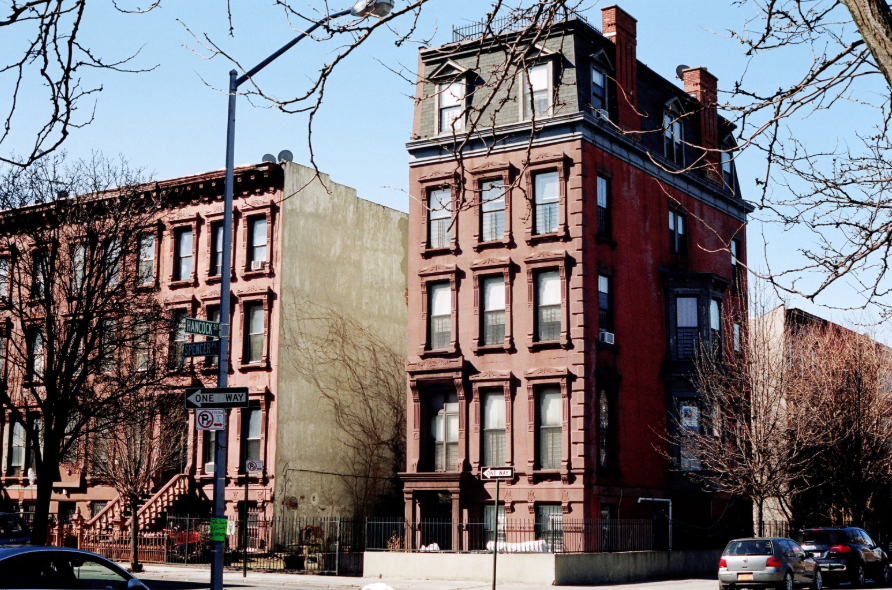
Brooklyn in 2026 under Mamdani
From our perspective, this announcement is less about the immediate rezoning itself and more about what it signals for New York City’s development strategy.
Mayor Mamdani campaigned on affordability, but this move suggests that increasing housing supply will remain a core policy tool. That continuity matters because developers, investors, lenders, and property owners all depend on predictable land-use policies when making long-term decisions.
The affordability challenge facing New York City continues to intensify. Brooklyn’s average one-bedroom rent reached $4,219 in April 2026, an 8% increase from the previous year. Against that backdrop, City Hall has set an ambitious goal of creating 200,000 new housing units.
For commercial real estate stakeholders, the biggest opportunities may emerge long before construction begins. As the planning process unfolds, attention will increasingly focus on density allowances, affordable housing requirements, transit investments, and redevelopment potential.
The formal zoning map may still be years away, but the market has already received an important message. Central Brooklyn is now firmly on the city’s development radar, and investors will be watching every step of the process.
For the latest news, proven strategies, and exclusive opportunities in commercial real estate in New York City and Western Nassau County NY, visit us at www.nyccrea.com
FOLLOW US:
Facebook: www.facebook.com/newyorkcityCREA
Instagram: www.instagram.com/nyccrea
LinkedIn: www.linkedin.com/company/nyccrea