

October 7, 2026
- $219 million construction loan backs the partial conversion of 100 Wall Street into residential units.
- $100 million asking price for Argonaut building at Broadway puts another major conversion candidate on the market.
- Evolving financing options are supporting investors in converting older, vulnerable Manhattan office buildings into residential spaces even as leasing activity recovers.
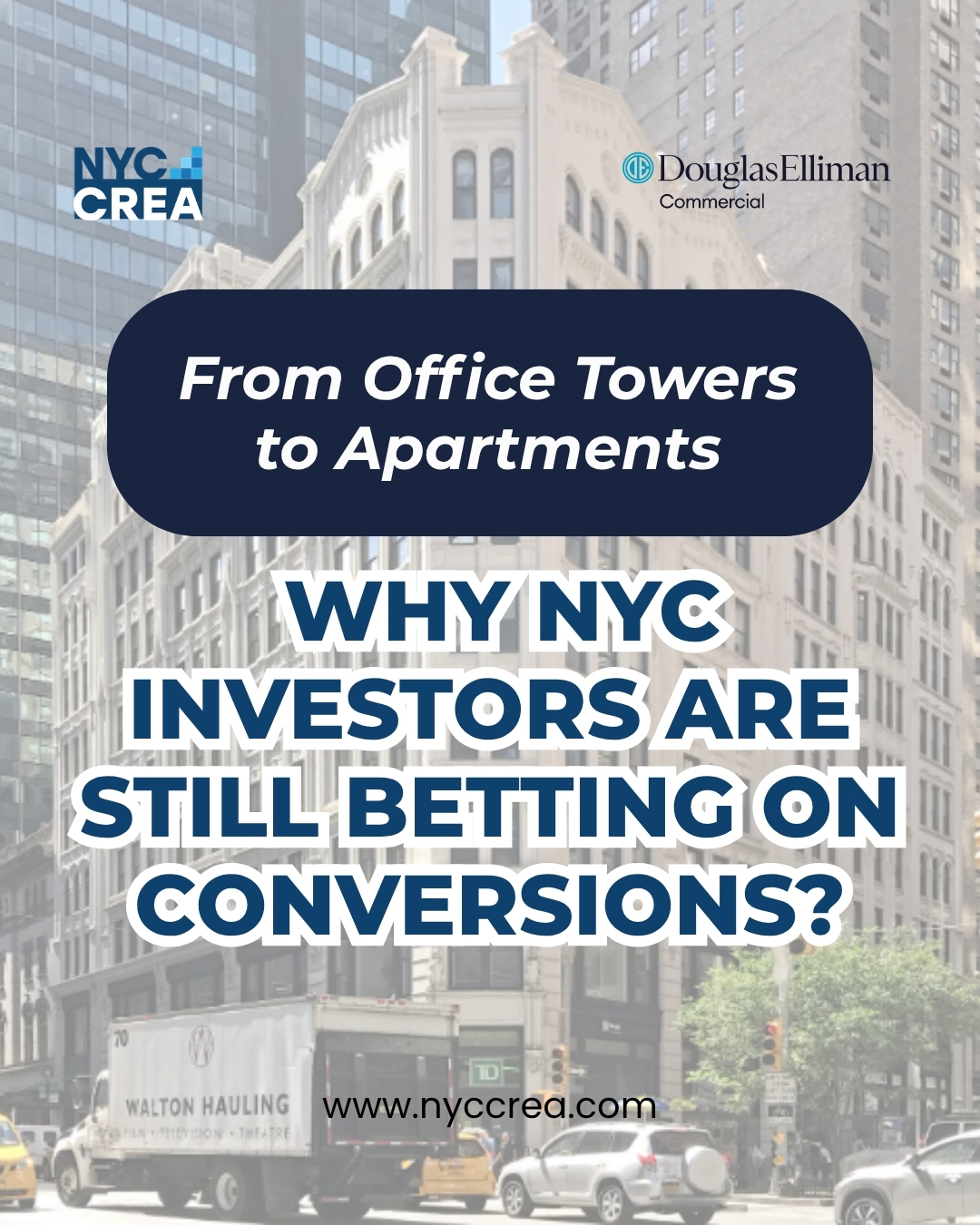
Why are NYC office owners still converting buildings when Manhattan leasing is recovering?
We are seeing something interesting in New York City commercial real estate.
Manhattan’s office leasing market is now at its healthiest point since the pandemic. Leasing activity has improved, demand for high-quality space remains strong, and tenants continue returning to the city’s major business districts.
But that recovery is not happening evenly.
Older office buildings still face vacancy, capital improvement requirements and competition from newer, higher-quality properties. For some owners, residential conversion is starting to look more attractive than spending millions to reposition an aging office building and compete for tenants.
The latest developments at 100 Wall Street and the Argonaut show just how seriously investors and lenders are taking that strategy.
1. What is happening at 100 Wall Street?
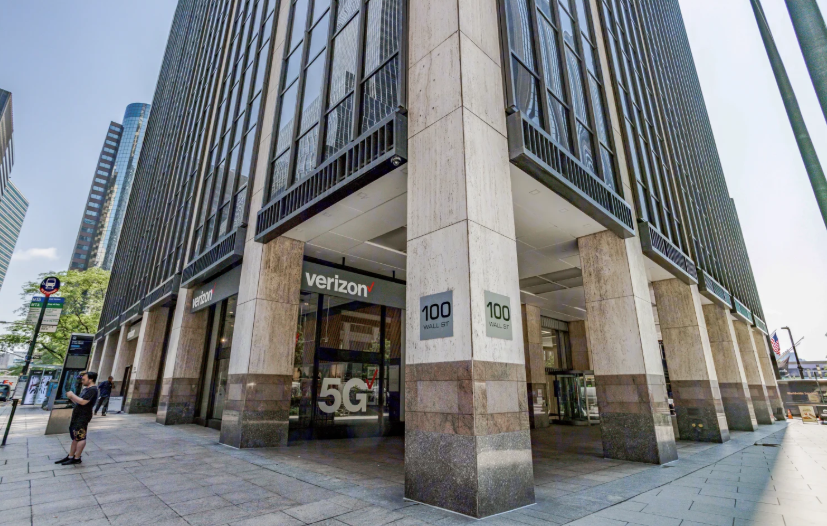
The biggest signal is the $219 million construction loan provided by Northwind Group for the conversion of 100 Wall Street.
The 29-story Financial District property contains approximately 463,000 square feet. BLDG Management and David Werner Real Estate Investments are converting floors 2 through 11 into 168 rental apartments.
The rest of the building will remain office space.
That is important for us as CRE brokers because it shows that conversion does not always mean taking an entire building out of the office market.
The project is effectively creating a mixed-use asset within the same tower.
Planned residential amenities include a pool, fitness center, sports simulator, theater and rooftop deck with an outdoor kitchen.
Northwind had previously provided $95 million in predevelopment financing. Moving from a $95 million predevelopment loan to a $219 million construction loan is a significant indication that the project has progressed enough to attract substantially more construction capital.
2. Why is the 140,000 SF Argonaut suddenly important?
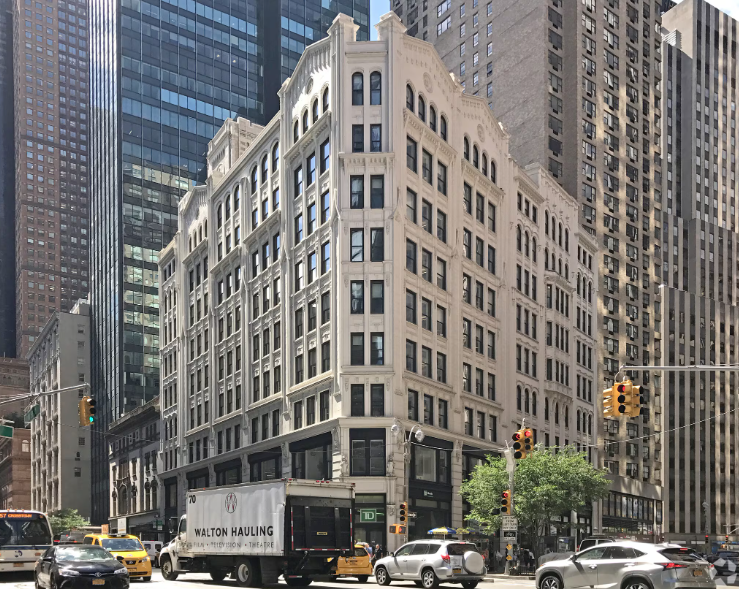
Another major development is the listing of the Argonaut building at Broadway and West 57th Street.
Soros Fund Management is reportedly seeking approximately $100 million for the 140,000-square-foot property.
The 1909 building is being marketed as a potential conversion opportunity, including the possibility of creating high-end residential space in one of Manhattan’s most supply-constrained locations.
For investors, the math is particularly interesting.
A roughly $100 million asking price on 140,000 square feet works out to about $714 per square foot before considering conversion costs, financing, construction and other expenses.
At about $714 per SF, the Argonaut’s asking price is broadly within the range of recent Manhattan commercial property pricing; but for a 117-year-old building being positioned as a residential conversion opportunity, that basis could leave a tighter margin once conversion, financing, regulatory, and other redevelopment costs are factored in.
The question is whether the value created through residential conversion can justify the additional capital required.
That is exactly the type of underwriting question we expect more CRE investors to be asking.
3. Why are older Manhattan offices still vulnerable?
Manhattan’s office market is recovering, but the recovery has created a bigger divide between the winners and losers.
Prime, modern and well-located buildings can attract tenants looking for better amenities, transportation access, flexible layouts and higher-quality environments.
Older buildings face a different equation.
Owners need to invest heavily in renovations, building systems, amenities and tenant improvements just to remain competitive.
Residential conversion offers another path.
Instead of asking how much it will cost to bring an older office building back to the office market, investors can ask what the property could be worth as residential real estate.
4. How is financing changing for conversion projects?
Capital is becoming another important part of the conversion story.
New York’s C-PACE financing changes have expanded financing opportunities for qualifying retrofit and conversion projects.
According to the New York City Energy Efficiency Corporation, the C-PACE (Commercial Property Assessed Clean Energy) financing is a public-private funding mechanism that lets commercial, multifamily, and non-profit property owners secure low-cost, long-term capital for energy efficiency, renewable energy, and water conservation upgrades.
That matters because conversion projects can require substantial upfront capital before an owner sees any residential revenue.
Traditional construction financing, predevelopment capital and alternative financing structures can help sponsors bridge that gap.
The $219 million 100 Wall Street construction loan demonstrates that lenders are willing to put significant capital behind the right conversion strategy.
5. Why does partial conversion matter to NYC commercial real estate?
We think this could become one of the more important trends to watch.
100 Wall Street is not being completely converted.
Floors 2 through 11 are planned for residential use, while floors 15 through 29 remain office space.
That creates a different investment model.
Owners can potentially diversify a property’s income between residential and office uses while avoiding the cost and complexity of converting an entire building.
For brokers, that also creates more opportunities to evaluate buildings based on individual floors, layouts, zoning, access, infrastructure and potential residential demand rather than simply looking at the building’s current use.
What does the office-to-residential trend mean for NYC commercial real estate?
1. Older office buildings could face a growing valuation gap
We expect the gap between highly competitive office buildings and obsolete office buildings to become more visible.
A well-positioned Class A property may continue attracting office tenants.
A 100-year-old building with outdated systems and expensive renovation requirements could face a completely different investment thesis.
That means the highest and best use conversation becomes increasingly important.
2. Residential conversion could create a new buyer pool
Properties that previously appealed mainly to office investors could attract residential developers, private equity groups, family offices and specialized conversion sponsors.
That expands the potential buyer pool for certain buildings.
The Argonaut is a good example because its location and existing characteristics can potentially support a completely different investment strategy.
3. Conversion costs will remain the biggest challenge
Not every vacant office building should become apartments.
The numbers have to work.
We have to consider acquisition price, construction costs, financing costs, zoning, floor plates, plumbing, windows, elevators, natural light, mechanical systems, building codes and the eventual residential rents or sales prices.
A building can look cheap on a price-per-square-foot basis and still be a bad conversion candidate.
4. Location remains critical
100 Wall Street is in the Financial District.
The Argonaut sits near Billionaires’ Row.
Those locations matter.
Residential conversions need access to transportation, retail, restaurants, employment centers, amenities and other factors that support residential demand.
We would not expect every struggling office submarket to experience the same conversion activity.
5. Mixed-use buildings could become more common
100 Wall Street provides an interesting model for what comes next.
Instead of choosing between office and residential, owners may increasingly choose both.
A portion of a building could become apartments while other floors remain dedicated to office tenants.
That could allow owners to diversify income and adapt older buildings without completely abandoning their existing commercial use.
What should NYC CRE brokers and investors watch next?
We think the biggest question is no longer whether office-to-residential conversions will happen.
It is which buildings actually make financial sense to convert.
For brokers, that means understanding more than current asking prices and vacancy rates. We need to look at building age, floor plates, zoning, residential demand, conversion costs, financing availability and potential post-conversion value.
For investors, the opportunity is equally selective.
The best conversion candidates are likely to be buildings where location, acquisition basis and redevelopment potential create enough upside to justify the construction and financing risk.
And if these projects perform well, we expect more owners of older Manhattan office buildings to ask the same question.
Is the building worth more as an office, or could its next chapter be residential?
That question could shape a significant part of New York City’s commercial real estate market over the next several years.
For more insights and commercial opportunities in New York City and Western Nassau County, follow us.
Andreas Nakos
Licensed Associate Real Estate Broker
917.886.6918
andreas.nakos@elliman.com
Steven Llorens
Licensed Associate Real Estate Broker
917.830.7091
steven.llorens@elliman.com