

October 14, 2026
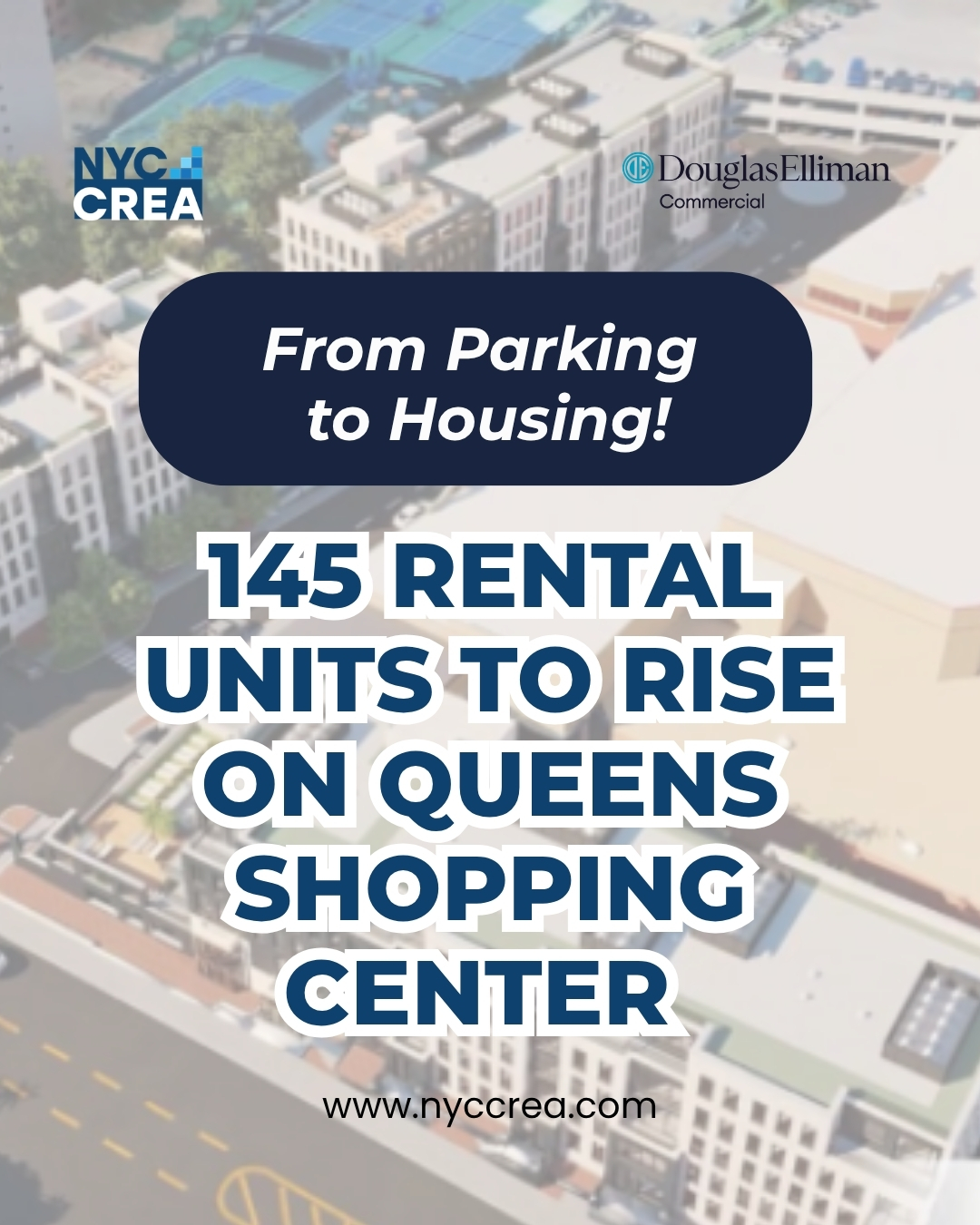
- $100M+ investment to deliver 145 rental apartments across two five-story buildings in Bayside, Queens
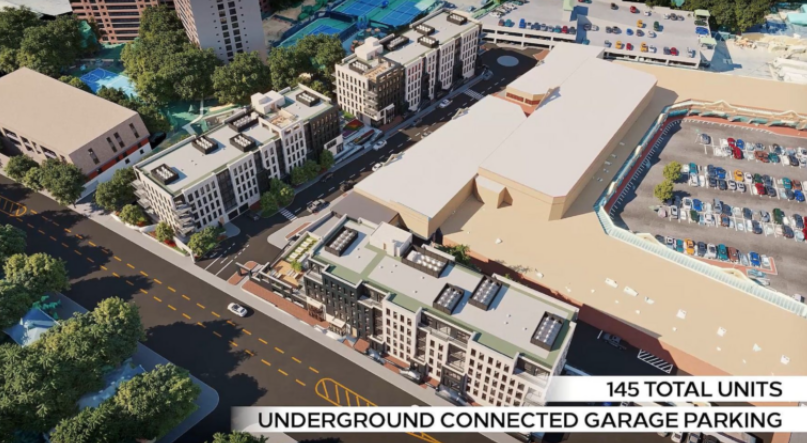
- Underused parking becomes housing while the existing Bay Terrace Shopping Center continues serving retail tenants
- Early 2028 target delivery adds to Cord Meyer’s residential pipeline, including a separate 203-unit project in White Plains
Why Is Cord Meyer Turning Shopping Center Parking Into Apartments?
We are seeing an important development in New York City commercial real estate. Developers are looking beyond traditional vacant lots and obsolete buildings to find opportunities for new housing within existing commercial properties.
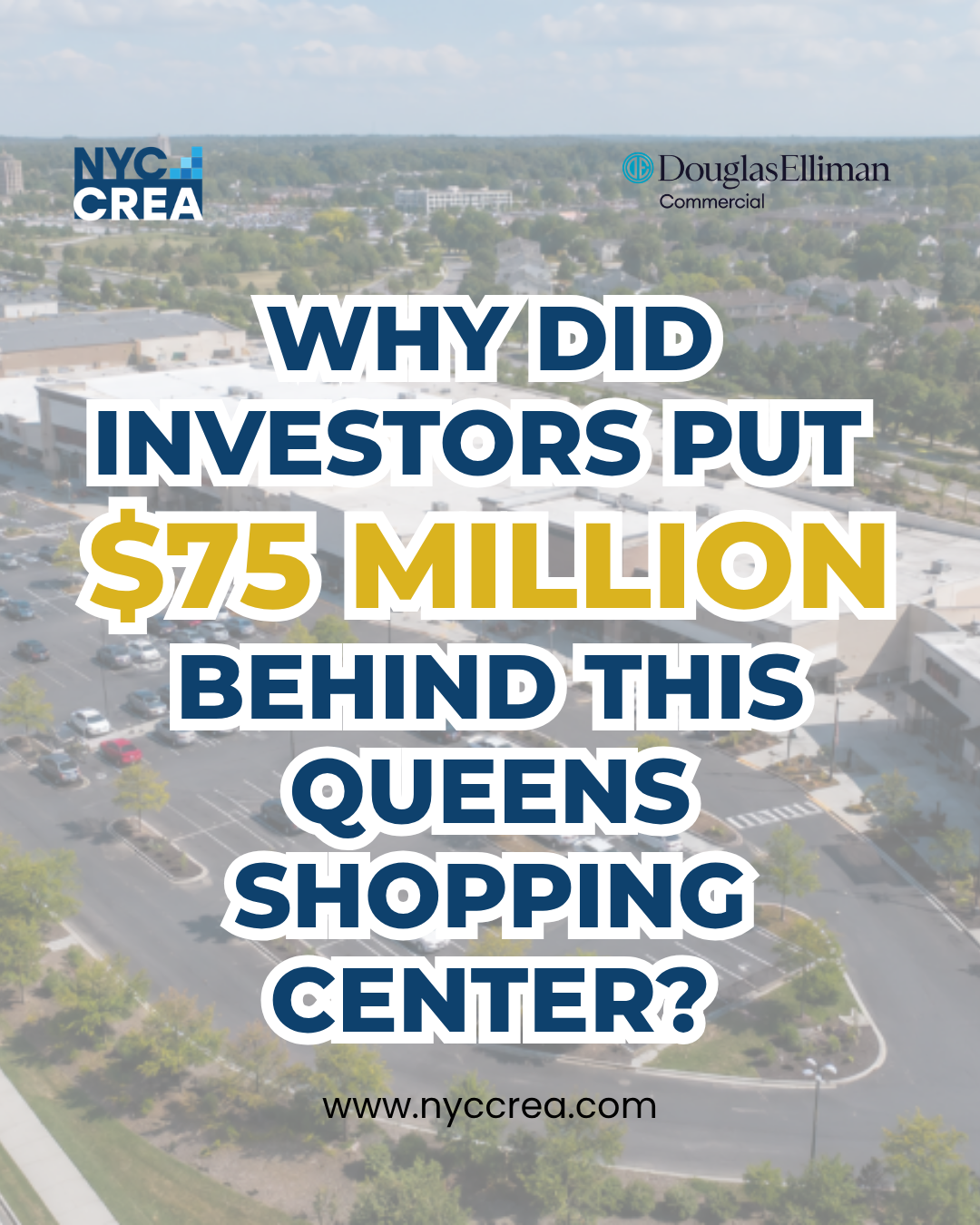
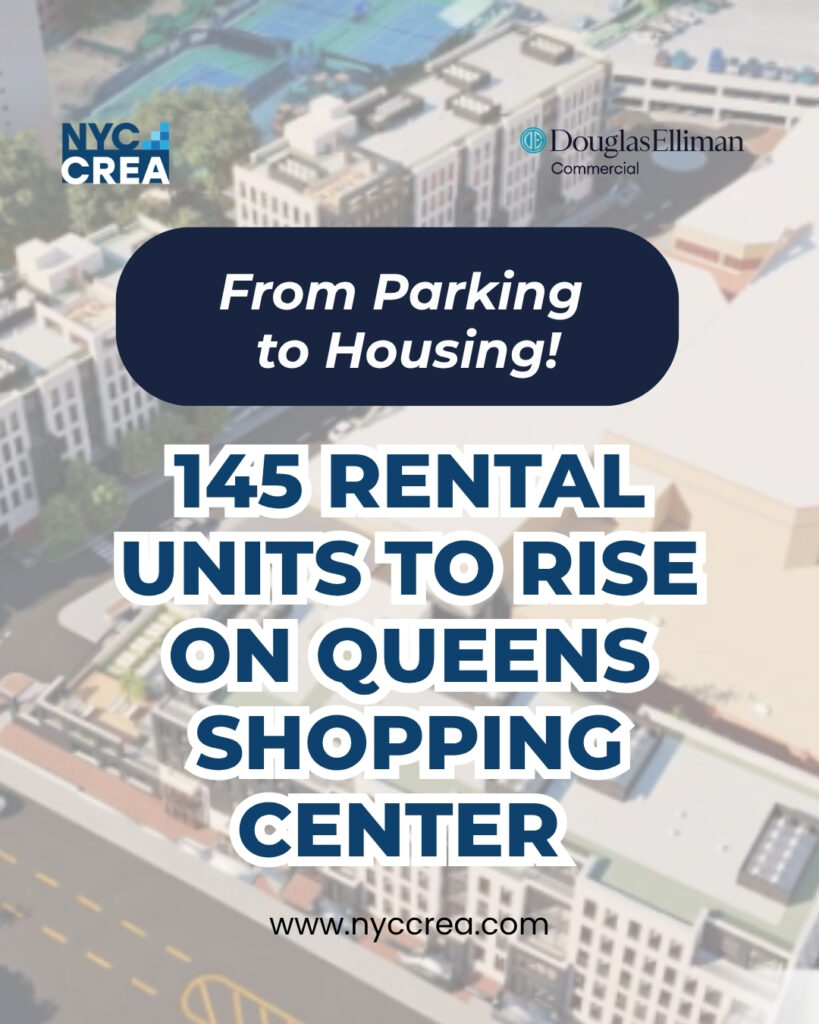
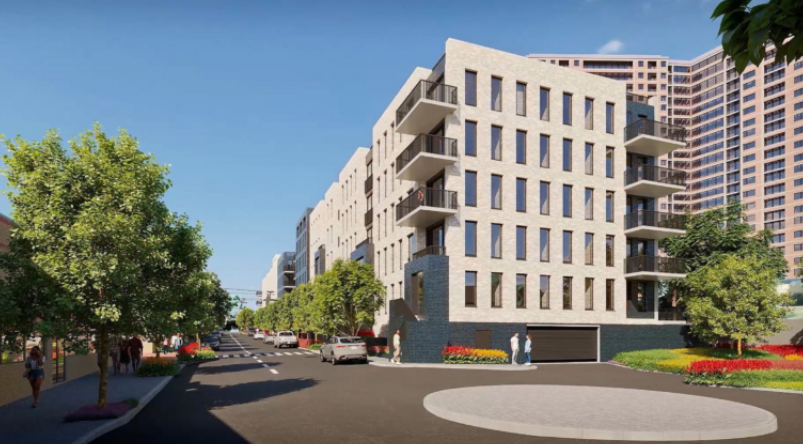
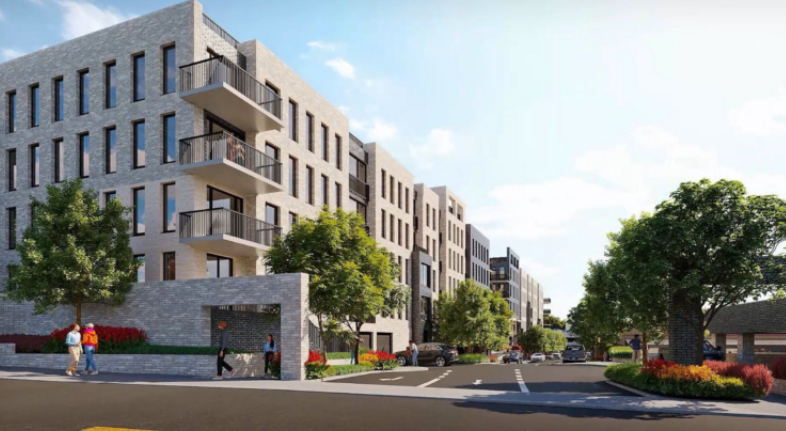
Cord Meyer Development has broken ground on a $100 million-plus residential project at Bay Terrace Shopping Center in Bayside, Queens. The development will add 145 rental apartments across two five-story buildings on underutilized parking areas near 26th Avenue.
For us, this is more than another multifamily development. It shows how owners can unlock value from commercial land without abandoning the retail operations that already generate income.
The timing also matters. New York City’s condominium pipeline is projected to shrink through 2029. With new housing opportunities becoming harder to find, underused commercial sites could become increasingly attractive to developers and investors.
What Are the Five Key Developments at Bay Terrace?
- A $100M-plus residential investment
Cord Meyer is adding 145 rental apartments to an established retail destination in Bayside. The project expands the property’s use beyond shopping and dining while introducing a new residential income stream. - Two five-story residential buildings
The planned apartments will range from studios to three-bedroom units. Many will feature private terraces, while select ground-floor residences will have individual entrances. - New amenities for residents
Planned features include rooftop terraces, outdoor gathering areas, a clubhouse and resident lounges. These amenities could help the property compete for renters seeking more than a basic apartment.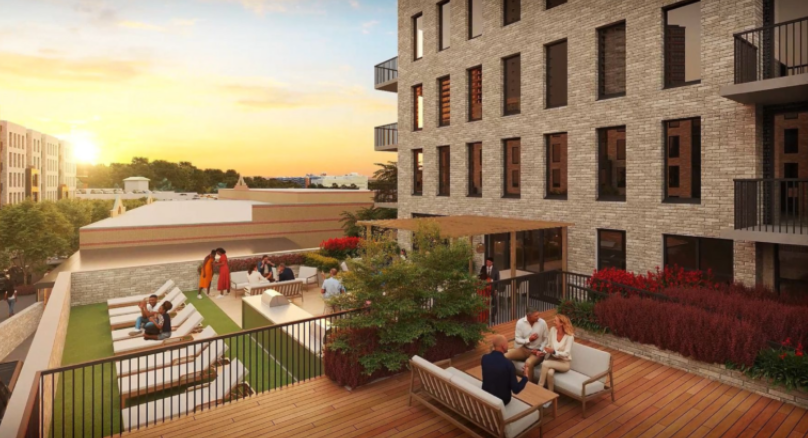 Rendering: Cord Meyer Development
 - Retail and housing under one property strategy
Bay Terrace Shopping Center has undergone a multimillion-dollar renovation and includes 19 food-and-beverage tenants and 12 apparel and accessories retailers. Major tenants include Stop & Shop, Outback Steakhouse and Old Navy. By adding apartments beside these established businesses, Cord Meyer can create a more integrated residential and retail destination without removing the existing commercial tenants. - A growing regional development pipeline
Cord Meyer has operated in Queens for more than 120 years and is also advancing a separate 203-unit residential project in White Plains. Callahan Construction Managers is handling the Bayside project, which is targeting delivery in early 2028.
How Could This Development Impact NYC Commercial Real Estate?
- Could underused parking lots become development opportunities?
We believe parking areas deserve closer attention from commercial property owners and investors. A site that appears to generate limited value from surface parking may offer additional development potential if zoning, access, parking requirements and construction economics support residential use. Bay Terrace provides a practical example. Rather than acquire a new property, Cord Meyer is using land within an existing commercial asset to introduce 145 apartments. - Will mixed-use properties become more valuable?
Combining housing with retail can create multiple income streams. Apartment rents complement existing retail leases, while nearby grocery stores, restaurants and other services may make the residential offering more attractive. However, the value depends on execution. Investors still need to assess construction costs, achievable rents, tenant demand, financing and the effect of redevelopment on existing retail operations. - Could residential development strengthen retail performance?
The 145 planned apartments could introduce additional customers to Bay Terrace’s existing businesses. Residents may shop for groceries, dine at restaurants and use local services throughout the week. That potential increase in customer activity could benefit retailers and support leasing demand. But the actual impact will depend on the number of occupied units, residents’ spending patterns and the shopping center’s tenant mix. - Will Queens attract more multifamily investment?
Bayside offers a case study in adding housing to an established neighborhood rather than relying entirely on large vacant development sites. For investors, the opportunity is not limited to new construction. Existing shopping centers, underutilized commercial parcels and properties with flexible site layouts may warrant closer review as the city continues to seek additional housing. - What risks should investors evaluate before pursuing similar projects?
Not every parking lot can support residential construction. Zoning permissions, environmental conditions, utility capacity, building design, financing costs and required parking provisions can materially affect feasibility. Investors should also evaluate whether reducing parking would hurt the existing retail business. At a shopping center, preserving convenient access for customers and employees remains important even as the property adds residential density.
What Should NYC CRE Brokers and Investors Do Next?
We see the Bay Terrace project as a useful reminder that commercial real estate value is not always limited to a property’s current use.
For brokers, this is an opportunity to look at existing assets through a development lens. When evaluating shopping centers and commercial parcels, we should ask whether portions of the site are underutilized, whether residential development is potentially feasible and how new housing could complement existing tenants.
For investors, the next step is to analyze the numbers before assuming that a mixed-use conversion will create value. We should compare potential residential income with development costs, financing, approvals, operating expenses and the value of retaining the existing commercial use.
We should also examine the surrounding rental market, transportation access, competing developments and the property’s long-term retail fundamentals. A strong concept needs to work financially, not just architecturally.
Cord Meyer’s $100 million-plus investment demonstrates one way to approach that challenge. By planning apartments on underused parking areas, the developer is pursuing additional residential income while retaining an established shopping center.
Our takeaway is straightforward. As developable land becomes more challenging to secure, we should pay closer attention to the untapped potential within existing commercial properties. The next opportunity may not be an entirely new site. It may be the unused space sitting beside a property that already works.
For more insights and commercial opportunities in New York City and Western Nassau County, follow us.
Andreas Nakos
Licensed Associate Real Estate Broker
917.886.6918
andreas.nakos@elliman.com
Steven Llorens
Licensed Associate Real Estate Broker
917.830.7091
steven.llorens@elliman.com