

September 30, 2026
- 12,000 homes and 30,000 jobs are being discussed for Sunnyside Yard, potentially creating an entirely new neighborhood in Queens.
- Federal approvals, authorization and potentially federal funding are expected to be necessary because of the project’s scale.
- The conversation is moving from political discussion toward technical, housing, operations and legal discussions between City Hall and the White House.
What happened between Mayor Mamdani and President Trump?
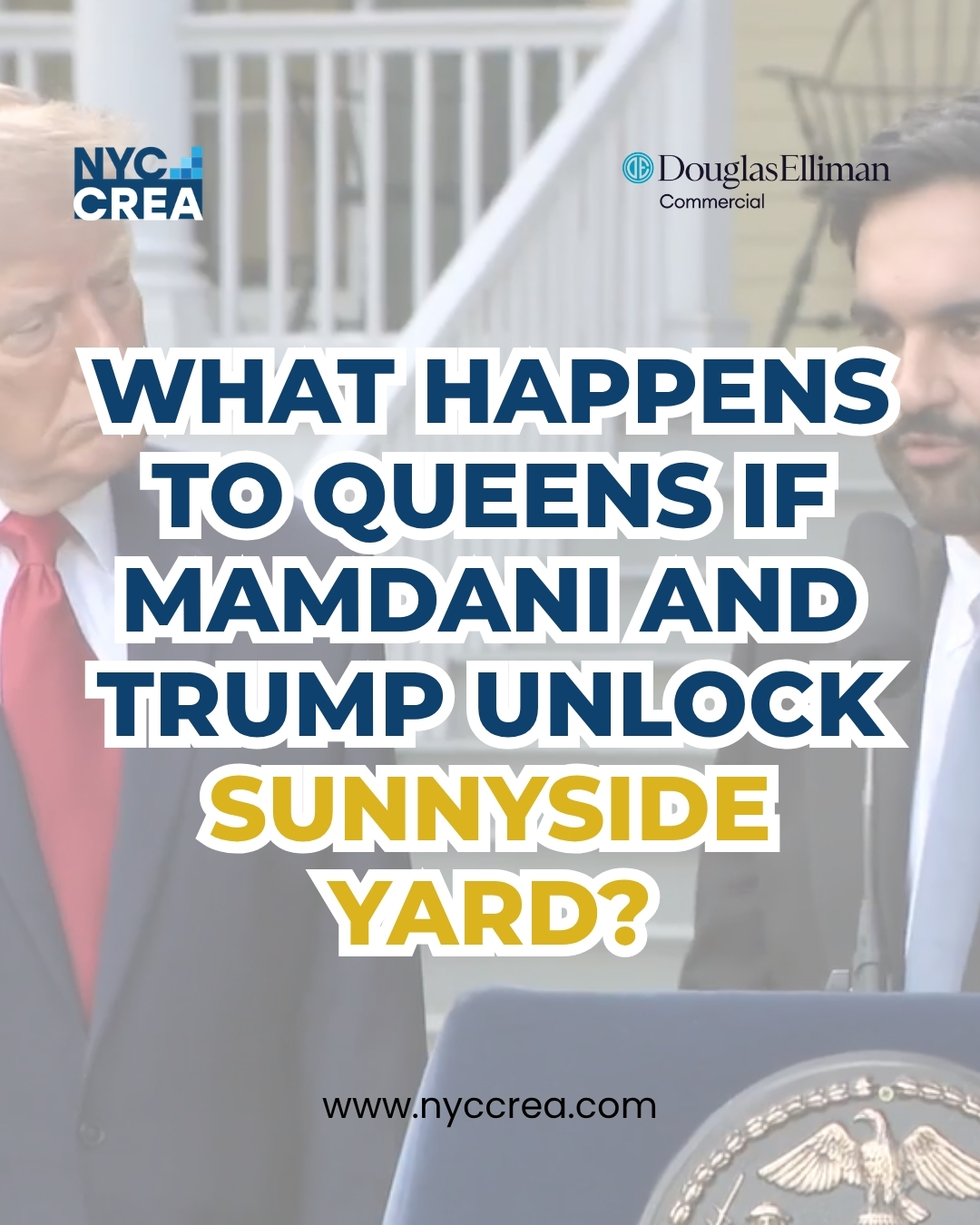
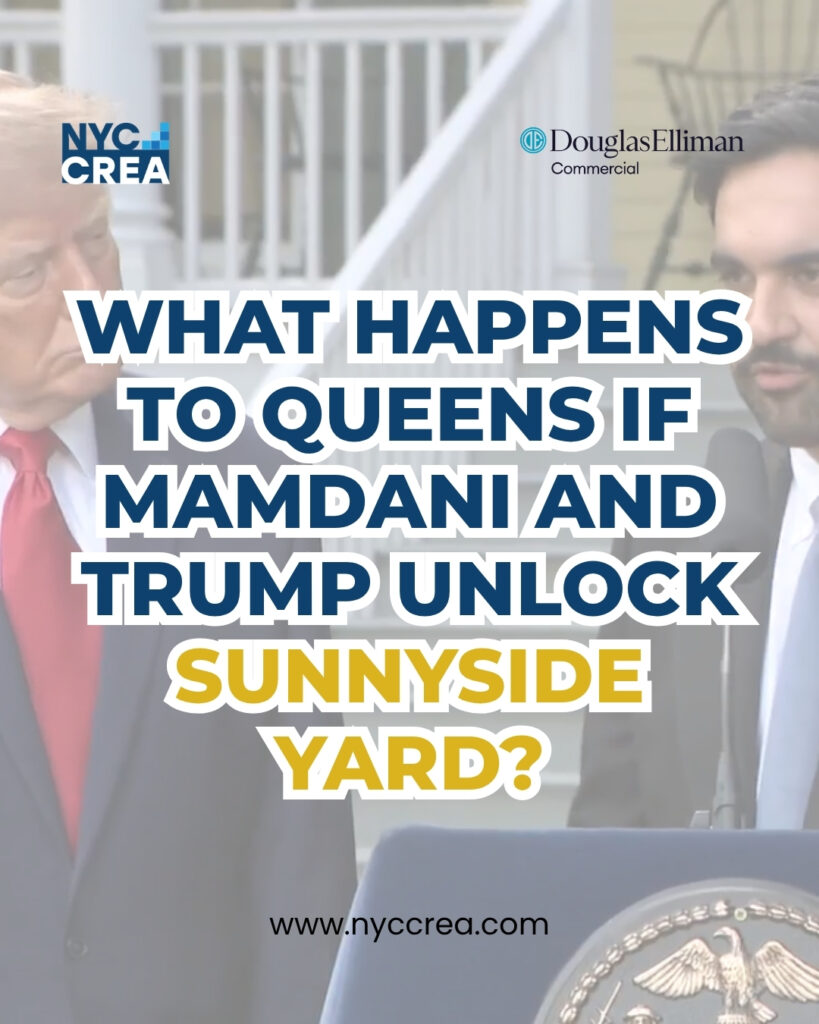
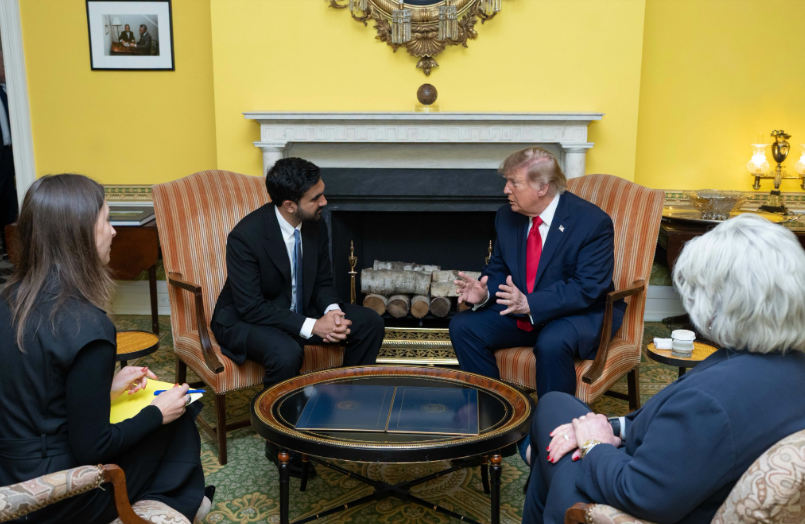
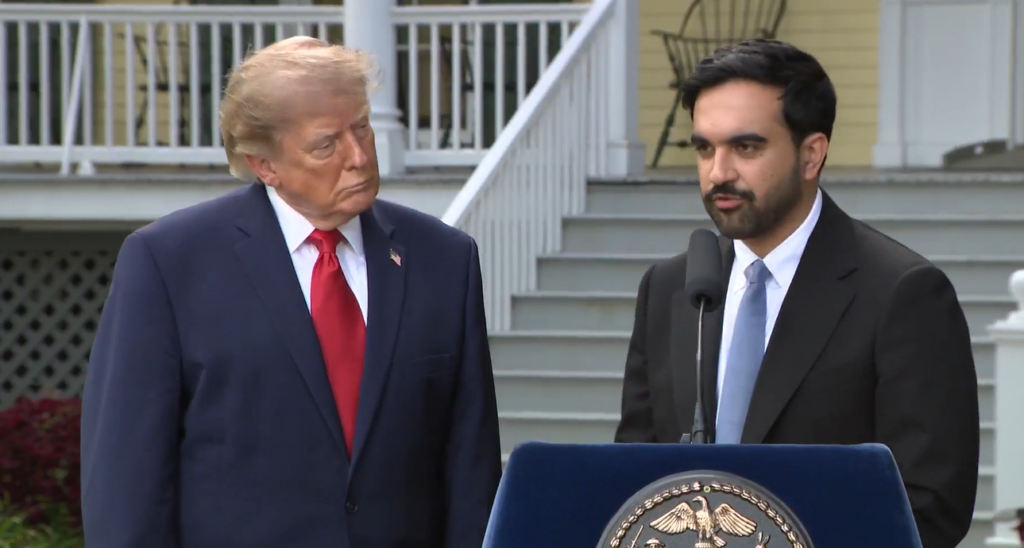
In what could be a huge development for New York City commercial real estate, President Donald Trump and Mayor Zohran Mamdani met at the Gracie Mansion recently to discuss several issues affecting New Yorkers, including housing affordability, immigration, public safety and the proposed redevelopment of Sunnyside Yard.
For us in commercial real estate, the biggest takeaway is clear. Sunnyside Yard has moved into a more formal federal-city conversation.
Mayor Mamdani said the two sides agreed to elevate discussions involving City Hall’s housing and operations teams and the White House. The next phase is expected to involve technical and legal questions surrounding the project, including the construction of a platform over the existing train yard.
The scale is substantial. The mayor described a potential development of approximately 12,000 homes and 30,000 jobs.
That means we are not talking about a single development site. We are talking about the potential creation of an entirely new neighborhood.
1. What exactly is being proposed at Sunnyside Yard?
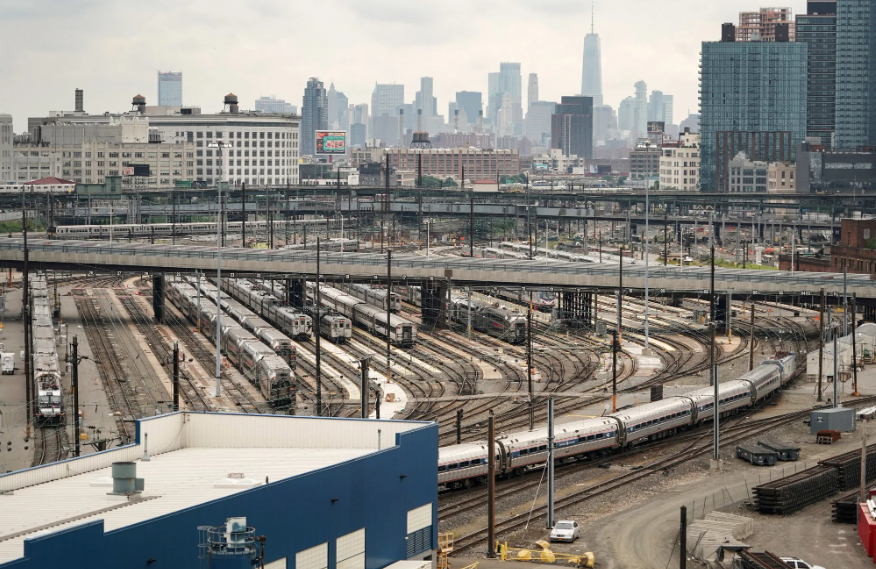
The proposal discussed by the mayor centers on constructing a platform over Sunnyside Yard that could support a new neighborhood with thousands of homes.
The mayor described the opportunity as rare for New York City because the site is currently a train yard.
For CRE professionals, the important point is the potential scale of development. A project of this size could create demand for significantly more than residential buildings.
It could support retail, services, offices, hospitality, community facilities, construction activity and other commercial uses tied to a growing population and workforce.
2. Why does Sunnyside Yard need federal involvement?
President Trump described Sunnyside Yard as a project that would be heavily dependent on the federal government.
He said the project would likely require federal approvals and probably federal money.
Mayor Mamdani similarly said federal partnership is necessary because of both the scale of funding and the authorization required to construct the platform.
That makes the federal-city relationship particularly important.
The discussion is therefore not simply about whether developers want to build. It involves financing, technical requirements, legal authorization and infrastructure.
3. Is affordable housing part of the Sunnyside Yard plan?
Yes. When asked about affordability, President Trump said he believed Sunnyside would need to include a substantial component of low-income and moderate-income housing.
Mayor Mamdani has framed housing affordability as a central issue because housing is the city’s largest cost for many New Yorkers.
For CRE, this matters because the eventual development mix could influence land values, tenant demand, construction economics and the types of commercial uses that become viable around the project.
4. What changed in the latest Sunnyside Yard discussion?
The biggest change is the move toward technical discussions.
Mayor Mamdani said the city and White House agreed to elevate the conversation to the level of:
- Housing teams
- Operations teams
- White House officials
- Technical discussions
- Legal authorization discussions
This is different from simply discussing Sunnyside Yard as a long-term idea.
The mayor specifically described the next stage as addressing both financing and the technical and legal authorization required to construct the platform.
What could the Sunnyside plan mean for NYC commercial real estate?
1. Could a new residential population create new retail demand?
Potentially, yes.
A neighborhood with approximately 12,000 homes would create a substantial potential customer base for retail and services.
Depending on the eventual population, household composition and development mix, that could support demand for restaurants, grocery stores, personal services, healthcare, fitness, childcare and other neighborhood-serving businesses.
For retail brokers, the development timeline and eventual tenant mix would be important factors to monitor.
2. Could 30,000 jobs create a new commercial district?
The proposed 30,000 jobs could generate demand beyond residential services.
Employment growth can create opportunities for food and beverage, business services, hospitality, transportation-related services and other commercial uses.
The actual impact would depend on what types of jobs are created and where those workers live and spend their time.
3. Could surrounding properties benefit from the development?
A large-scale neighborhood could change how investors view surrounding properties.
Properties near future residential, employment and transportation infrastructure could potentially experience changes in tenant demand and investment interest.
But timing is critical.
The project remains dependent on federal approvals, financing, technical work and legal authorization. We would not treat future development as an existing market condition.
4. Could Sunnyside Yard change development patterns in Queens?
The proposal could create a new development center around an existing transportation site.
The mayor described the opportunity as the construction of an entirely new neighborhood where a train yard exists today.
For Queens CRE, that creates an important question for brokers and investors.
How could a major new residential and employment center change demand for nearby commercial properties?
That question is worth monitoring before the project reaches the construction stage.
5. What does the federal-city relationship mean for investors?
The latest meeting suggests that Sunnyside Yard is being discussed across multiple levels of government.
That does not guarantee development.
It does mean the project now has an active discussion involving federal and city teams around financing, operations, housing and legal requirements.
For investors, this makes government action an important part of the project’s real estate story.
What should NYC CRE brokers and investors watch next?
We would focus on the measurable developments rather than the political rhetoric.
First, watch for federal authorization.
The platform is central to the development concept, and the mayor specifically identified technical and legal authorization as part of the next phase.
Second, watch the financing.
The president and the mayor did not specifically mention a budget and no federal funding commitment was announced in this meeting.
Third, watch the housing mix.
President Trump specifically said Sunnyside would need a substantial low-income and moderate-income housing component.
Fourth, watch the job composition.
Thirty thousand jobs is a major headline number, but the types of jobs and where commercial activity is located will determine the real estate implications.
Fifth, watch surrounding properties.
As planning becomes more concrete, brokers should monitor properties that could be affected by future residential density, employment growth, infrastructure investment and neighborhood expansion.
Bottomline for NYC Commercial Real Estate
For us, the most important development is not that Sunnyside Yard was discussed again.
It is that the conversation is being moved toward technical, legal, operational and housing discussions between City Hall and the White House.
The potential numbers are significant. 12,000 homes. 30,000 jobs. A new neighborhood.
But the project is not yet a completed development plan, and the meeting did not establish a federal funding commitment or construction timeline.
For CRE brokers and investors, the practical approach is to track the next measurable steps, especially federal approvals, financing, platform authorization, housing plans and development timelines.
If those pieces move forward, Sunnyside Yard could become a major real estate story for Queens.
For now, it is a development opportunity worth watching closely.
For more insights and commercial opportunities in New York City and Western Nassau County, follow us.
Andreas Nakos
Licensed Associate Real Estate Broker
917.886.6918
andreas.nakos@elliman.com
Steven Llorens
Licensed Associate Real Estate Broker
917.830.7091
steven.llorens@elliman.com