

September 23, 2026
- $75 million in financing secured for the acquisition and redevelopment of a 119,584-square-foot Queens shopping center
- $56 million acquisition shows investors are putting fresh capital into established neighborhood retail
- Grocery-anchored centers are continuing to attract lenders, pointing to stronger confidence in necessity-based NYC retail
Is this a positive sign for New York City retail?
We at NYCCREA think it is a development worth watching.
Based on a CRE Daily report, BTF Whitestone LLC secured a $75 million loan from Acadia Realty Trust, arranged by Northmarq, to acquire and redevelop Whitestone Shopping Center at 153-17 Cross Island Parkway in Queens.
The property was acquired for $56 million and includes 119,584 square feet of retail space. Key Food supermarket anchors the center, with JPMorgan Chase and Webster Bank among the other tenants.
The important part is not just the size of the loan.
It is what the financing represents.
Capital is being committed to an existing NYC retail property with a plan to improve, reposition and potentially increase its value.
That is a positive signal for neighborhood retail.
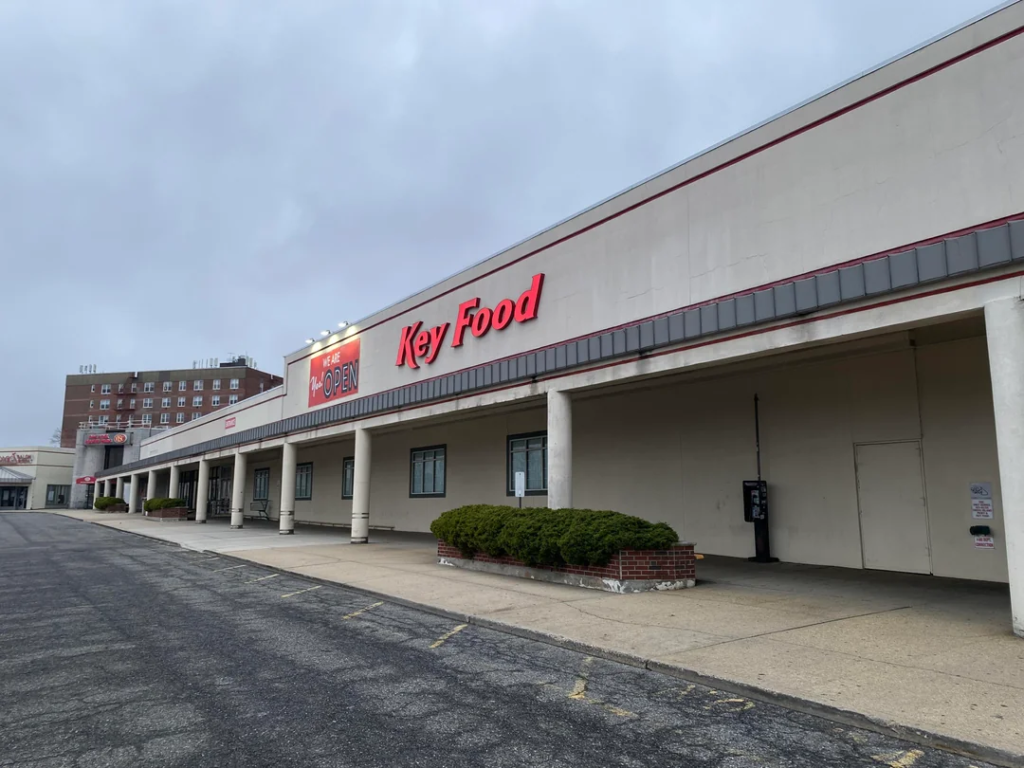
What makes the Whitestone deal significant?
1. $75 million is going into an existing retail property
The financing covers both the acquisition and redevelopment.
That means the new ownership is not simply buying the property and waiting for market conditions to improve. Capital is being put behind a strategy to upgrade the center and make it more competitive.
For NYC retail, that matters.
Investment in existing properties can lead to better tenant spaces, improved shopping environments and stronger leasing opportunities.
2. A $56 million acquisition creates a new investment benchmark
The shopping center reportedly traded for $56 million.
At 119,584 square feet, that represents approximately $469 per square foot based on the reported purchase price.
The transaction gives brokers and investors another data point for evaluating neighborhood retail in Queens.
More importantly, it demonstrates that investors are still willing to deploy substantial capital into well-located retail assets.
3. Grocery-anchored retail continues to attract lenders
Key Food provides the center with a grocery anchor, while bank branches add other service-oriented uses.
This type of tenant mix benefits from recurring neighborhood demand.
People still need groceries. They still use financial services. They still visit local businesses.
That everyday demand is one reason grocery-anchored centers continue to receive attention from lenders and investors.
The Whitestone financing reinforces that trend.
4. 119,584 square feet gives the redevelopment room to create value
The center was built in 1955, so there is an opportunity to modernize an older retail property for today’s consumers and tenants.
That can mean improving the physical environment, attracting new tenants, upgrading existing spaces or rethinking how the property serves the surrounding community.
We see this as part of a broader opportunity for older NYC retail centers.
The future of retail is not necessarily about building something entirely new.
Sometimes it is about making an existing property work better.
5. NYC retail availability remains tight
Prime New York retail markets recorded an 11.9% availability rate in Q2 2026, according to JLL, marking a third consecutive quarter at record-low levels.
At the same time, Prime New York asking rents were $592 per square foot, down 2.7% year over year. The decline was concentrated in markets including Times Square and Union Square/Flatiron.
For us, the combination is interesting.
Retail demand is not uniform across New York, but limited availability in strong locations continues to create opportunities for properties that can provide the right space, tenant mix and experience.
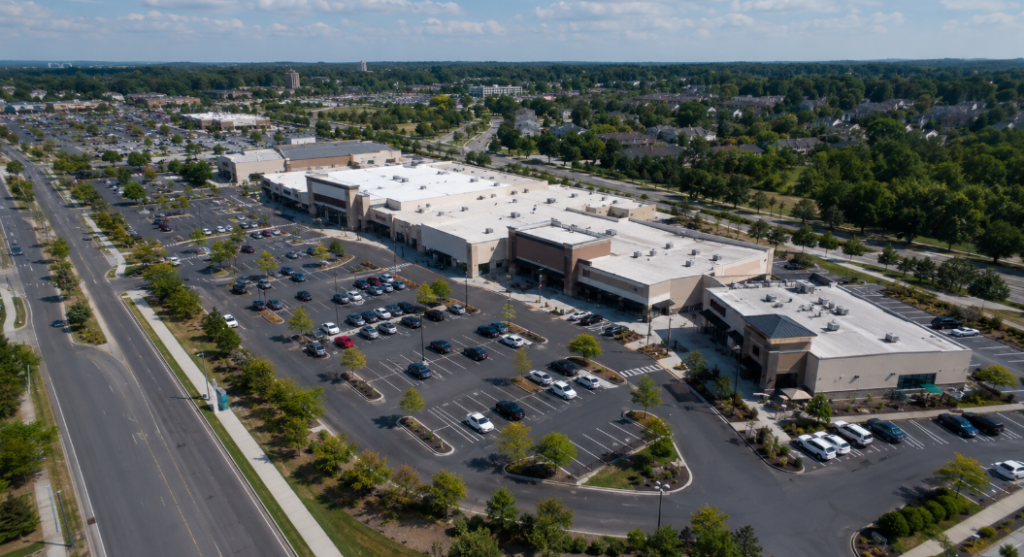
What does this mean for NYC retail commercial real estate?
1. Investment is creating momentum
When investors commit tens of millions of dollars to acquire and improve an existing shopping center, it creates activity throughout the retail ecosystem.
Owners have reasons to upgrade properties. Tenants have opportunities to move into improved spaces.
Brokers have more leasing and investment opportunities. And neighborhoods can benefit from better retail environments.
The Whitestone transaction is one example of that cycle.
2. Existing retail properties can have significant upside
Older properties should not automatically be viewed as outdated assets.
They can offer something new construction often cannot provide easily.
They already have a location, existing tenants, established customer traffic and a relationship with the surrounding neighborhood.
The opportunity is identifying what can be improved.
3. Grocery anchors are helping support retail investment
The continued financing appetite for grocery-anchored centers is important for NYC retail.
Necessity-based tenants can provide consistent traffic that supports surrounding businesses.
A strong grocery anchor can also make a shopping center more attractive to prospective tenants because retailers benefit from the customers already coming to the property.
That creates a potentially positive leasing environment.
4. Outer-borough retail is attracting serious capital
Whitestone is a neighborhood retail market in Queens, not one of Manhattan’s headline retail corridors.
That makes the transaction particularly interesting.
Capital does not need to be limited to Fifth Avenue, Times Square or other globally recognized retail destinations.
Well-located neighborhood centers can also attract institutional financing when the fundamentals and redevelopment strategy make sense.
5. Redevelopment can strengthen the retail environment
A successful repositioning can benefit more than the owner.
New or improved retail space can help attract businesses, increase activity and give consumers more reasons to visit the property.
For brokers, this creates another reason to look closely at underutilized or aging retail centers.
The question is not simply what the property looks like today.
It is what the property could look like after the right investment.
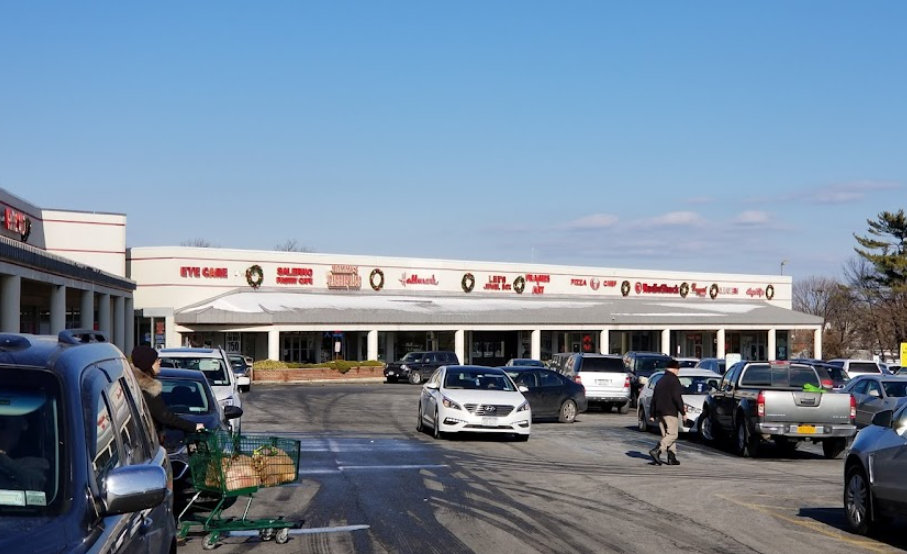
What should NYC CRE brokers and investors take from this?
We see the Whitestone deal as a constructive data point for New York City’s retail market.
It shows that capital is still available for retail when investors and lenders see strong fundamentals and a credible path to value creation.
For brokers, that means taking a closer look at grocery-anchored centers, neighborhood shopping centers and older retail properties with redevelopment potential.
Look at the numbers. At the anchor.
Look at the surrounding population. Traffic and accessibility.
Look at current rents versus achievable rents. And at what improvements could realistically increase the property’s income.
For investors, the same principle applies.
The opportunity may not always be in a brand-new development. It may be in an established retail property that needs the right capital, leasing strategy and physical improvements.
The $75 million Whitestone financing does not tell us that every NYC retail property will perform the same way.
But it does provide a positive example of capital being deployed into an existing neighborhood retail asset with a redevelopment strategy.
And that is good news for the broader retail ecosystem.
As brokers, we will be watching what happens next at Whitestone, particularly redevelopment progress, new leasing activity and whether the improvements translate into stronger property income.
Because ultimately, that is where the next chapter of NYC retail will be written.
Not just in new construction, but in how we improve the retail properties and neighborhoods we already have.
For more insights and commercial opportunities in New York City and Western Nassau County, follow us.
Andreas Nakos
Licensed Associate Real Estate Broker
917.886.6918
andreas.nakos@elliman.com
Steven Llorens
Licensed Associate Real Estate Broker
917.830.7091
steven.llorens@elliman.com