

Key Highlights
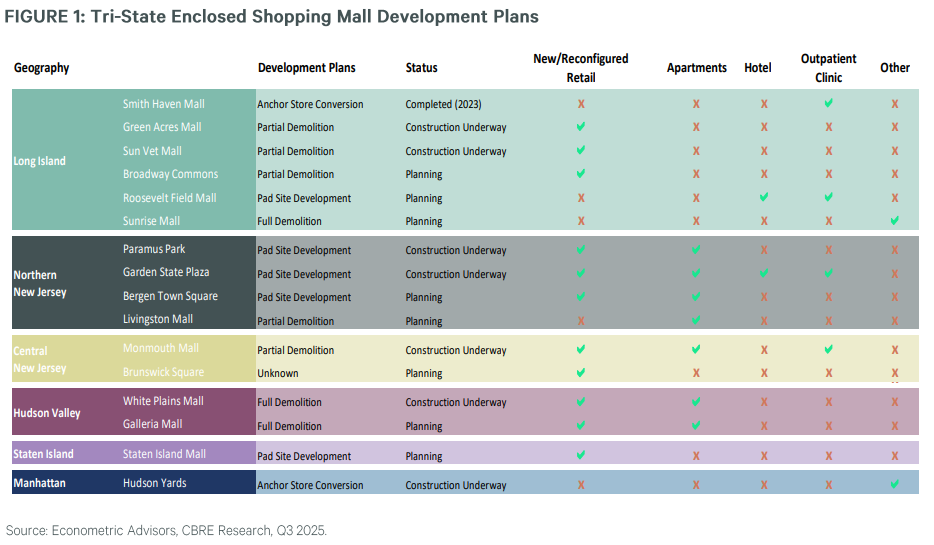
- Malls in the New York Tri-State area are entering a major reinvention cycle, with more than a dozen enclosed malls planning or undergoing redevelopment.
- Roughly 4.3M sq. ft. of traditional mall space is coming offline — yet redevelopment plans add back +1.3M sq. ft. of new, higher-value mixed-use product.
- Malls with redevelopment potential are trading at 54% lower than those staying purely retail, widening opportunities for investors and advisors.
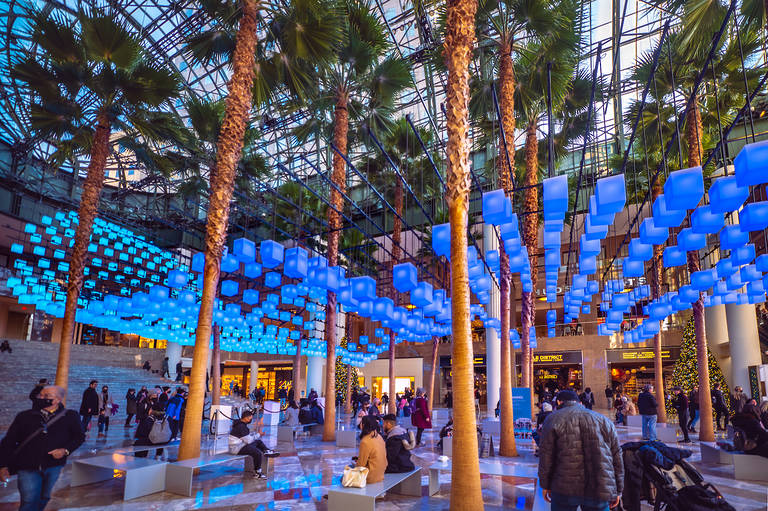
Across New York, the familiar mall is evolving. What used to be weekend destinations — buzzing food courts, sprawling department stores, acres of parking — are now becoming something entirely new. As consumer habits shift and the needs of local communities change, mall owners aren’t just adapting; they’re reimagining.
For us at NYCCREA, this transformation isn’t a surprise. It’s a moment we’ve been anticipating. CBRE’s The Great Mall Shakeup 2025 Brief makes it clear: many aging malls across New York, New Jersey, and Connecticut are ready for their next chapter, and that chapter looks far more dynamic, flexible, and community-focused than the retail-first models of the past.
This is a rare point in time where commercial real estate, policy, and consumer behavior are all moving together. For those of us advising clients on how to navigate the shift, these properties represent some of the most promising redevelopment opportunities in the region.
Development Plans That Signal a New Vision
Across the Tri-State area, redevelopment activity is accelerating, based on the CBRE brief. Here’s how the transformation is unfolding by region:
Long Island
Six enclosed malls are pursuing redevelopment, each responding to performance and consumer behavior in different ways:
- Underperforming malls are shifting toward partial demolitions, converting large indoor corridors into open-air lifestyle centers that prioritize dining, entertainment, and experience-based retail.
- Stronger malls are adding hotels and medical facilities on pad sites, strategically densifying but not adding any residential units.
Westchester County (White Plains)
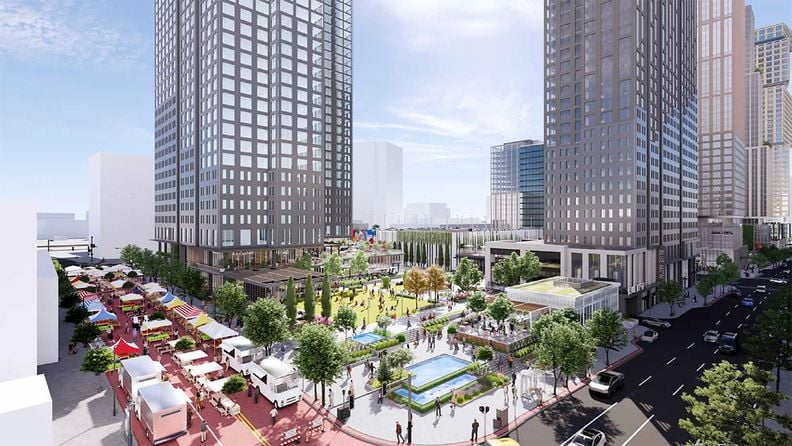
- The White Plains Mall has been fully demolished and is being replaced with hundreds of apartments and street-level retail, injecting new residential energy into the city’s core.
- A larger redevelopment proposal is under consideration for the nearby Galleria Mall, potentially reshaping the downtown retail landscape.
New York City (Five Boroughs)
Two malls are in active redevelopment phases:
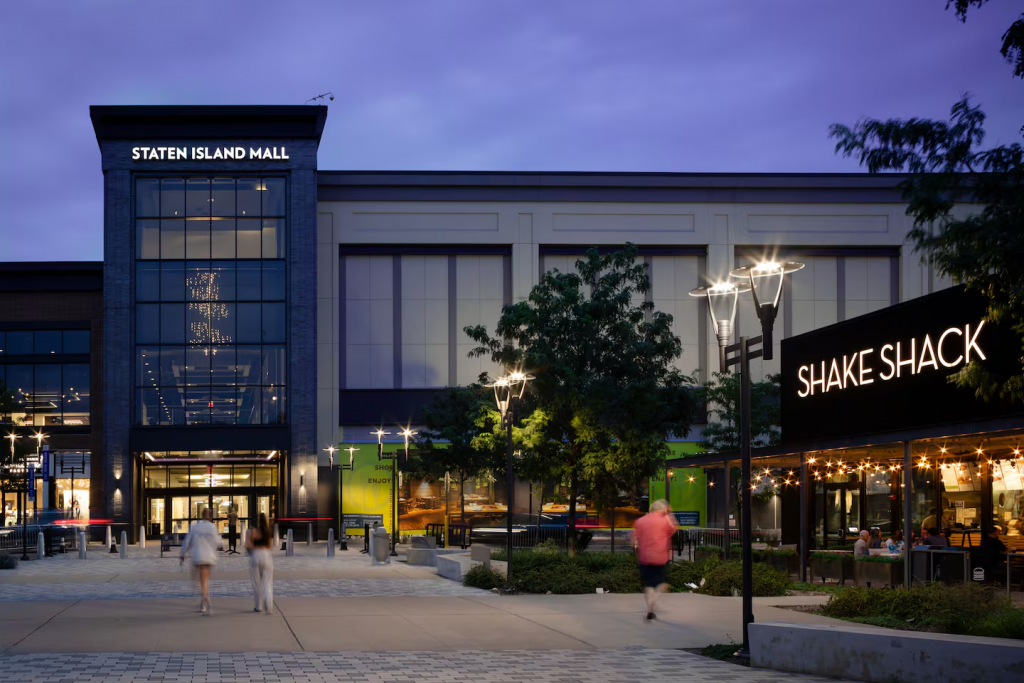
- Staten Island Mall is expanding with 40,000 sq. ft. of additional pad-site retail, capitalizing on its continued strong performance.
- Hudson Yards’ former department store anchor is being redeveloped into corporate office space, signaling how retail square footage in prime Manhattan is being reallocated to higher-demand sectors.
New Jersey
Municipal mandates for new housing have accelerated mixed-use redevelopment:
- Failing malls are being redesigned into town-center-style communities, blending multifamily units, retail, public plazas, and community spaces.
- Upcoming projects total nearly 3,000 new multifamily units, reflecting one of the region’s strongest mall-to-residential pipelines.
Connecticut (Fairfield County)
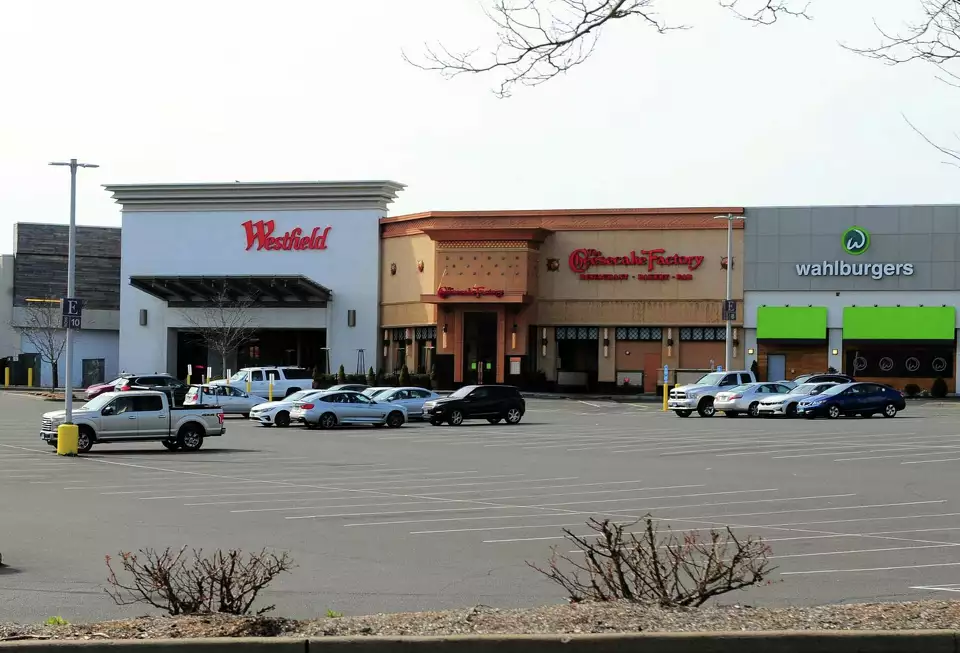
- The future of the Trumbull Mall remains undecided, as local officials weigh options for revival or complete redevelopment.
- Its size and location make it a pivotal decision for the community and a significant opportunity for future CRE repositioning.
Looking at all these redevelopments, what is the thread that connect each one? Owners are leaning into placemaking — creating environments where people want to live, work, and spend time, not just shop.
What This Means for CRE & Why It Matters
From a brokerage lens, we’re watching a fundamental shift in how value is created and captured:
- Pricing is reshaping the investor pool
Pure-retail mall deals averaged $225/sq. ft., but those slated for redevelopment traded around $104/sq. ft. The discount reflects uncertainty — but also massive potential for teams that know how to move projects from concept to entitlement. - The land is becoming more valuable than the mall
Removing 4.3M sq. ft. of outdated retail to add +1.3M sq. ft. of modern mixed-use isn’t downsizing — it’s recalibrating toward higher community and economic value. - Mixed-use has become the new default strategy
From medical offices to entertainment anchors to apartments, the next generation of mall sites will draw revenue from multiple streams — insulating them from traditional retail volatility. - Municipalities are increasingly supportive
Cities and towns are recognizing that mall redevelopments can solve multiple problems at once: housing shortages, job creation, infrastructure improvement, and community activation. - Suburban densification is accelerating
Large, well-located land parcels with utilities, transit access, and existing community familiarity are rare, and mall sites check all those boxes.
For us at NYCCREA, this is where expertise becomes influence. Clients are looking for partners who can read beyond the data and understand the long-term story unfolding beneath it.
A Turning Point for the Region
New York’s mall evolution isn’t just about retail decline. It’s about rediscovering the potential of land that has anchored communities for decades. As enclosed malls fade, mixed-use ecosystems rise — places that combine housing, health, entertainment, and everyday conveniences into a single, connected environment.
We at NYCCREA see this shift as a representation of a powerful opportunity. The next decade of CRE in the Tri-State region will be shaped not by what malls once were, but by what they can become. And those who can champion that vision — blending advisory insight, community understanding, and development strategy — will help write the next chapter of real estate in the region.
For the latest news, proven strategies, and exclusive opportunities in commercial real estate in New York City and Western Nassau County NY, visit us at nyccrea.com
FOLLOW US:
Facebook: www.facebook.com/newyorkcityCREA
Instagram: www.instagram.com/nyccrea
LinkedIn: www.linkedin.com/company/nyccrea