

January 28, 2026
- Prime Manhattan retail neighborhoods see record-low supply, driving fierce tenant competition.
- Brooklyn and Queens emerge as top alternatives as retailers expand outside Manhattan.
- Strong rents and fast-moving deals signal a resilient retail market heading into 2026.
As brokers deeply rooted in New York City’s commercial real estate scene, we’ve watched retail dynamics evolve dramatically over the past year. Supply of retail units in core Manhattan neighborhoods has tightened to levels we haven’t seen since 2017, creating fierce competition among tenants and driving rents to historic highs. According to JLL, SoHo’s retail availability fell by 7% year-over-year, while Flatiron, Union Square, and Times Square also saw significant declines. Meanwhile, International Council of Shopping Centers (ICSC) New York 2025 reports that demand is fueled not only by domestic retailers expanding their footprints but also by international tenants seeking a New York City presence.
Developments Across NYC Neighborhoods
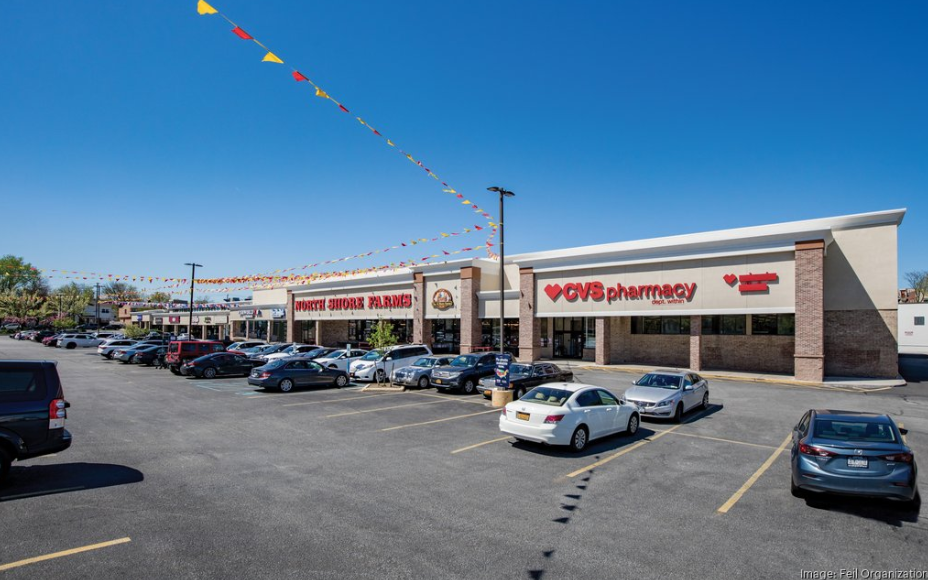
Based on the report of CRE Daily, NYC retail is split between Manhattan’s tight, high-demand areas like Madison Avenue, SoHo, Flatiron, and Fifth Avenue, and the growing opportunities in Brooklyn and Queens, where flexible spaces and competitive rents attract expanding retailers.
- Madison Avenue & SoHo
These neighborhoods continue to dominate as the most sought-after retail submarkets. Strong rents and rapid deal closures characterize the space here. Premium properties often attract multiple competitive offers, benefiting landlords while challenging tenants to act fast. - Flatiron & Fifth Avenue
Both areas are experiencing a surge in activity. While inventory is limited, these districts remain highly attractive due to foot traffic and prestige. Tenants often compromise on size or building features to secure a spot. - Upper West & Upper East Side
Supply is tight and opportunities are harder to come by. New deals in these areas require careful negotiation and creative leasing strategies. - Brooklyn & Queens
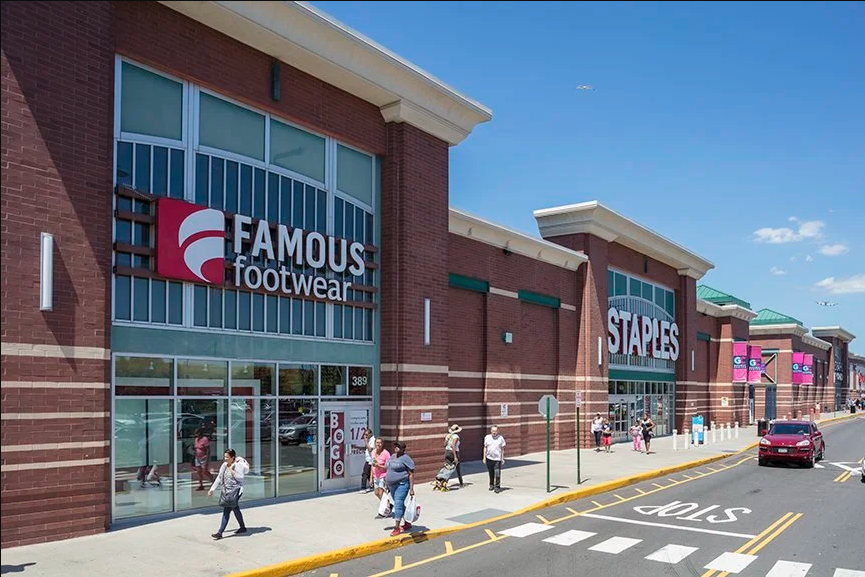
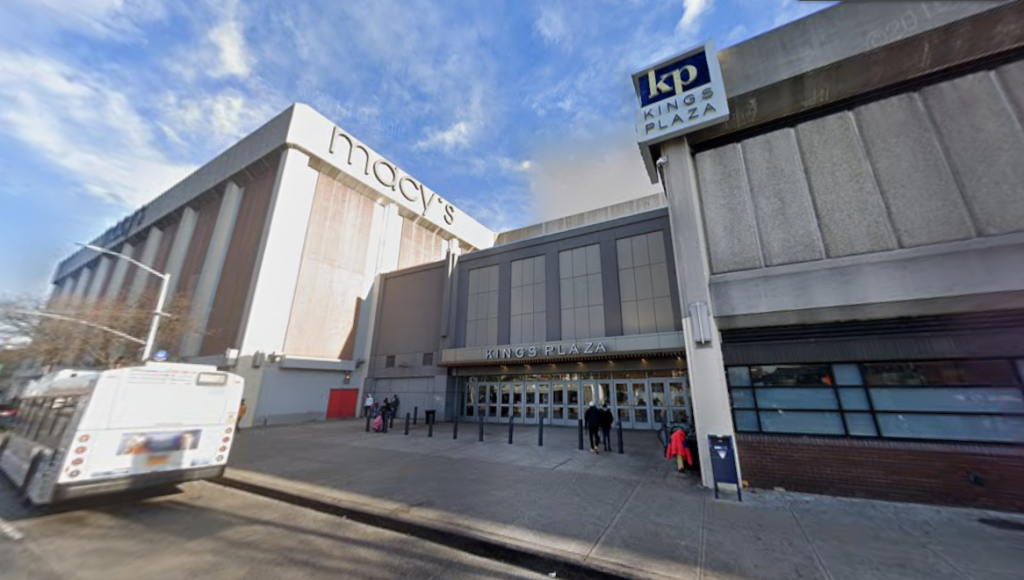
Retailers are increasingly looking beyond Manhattan. Brooklyn neighborhoods like Williamsburg are drawing strong interest, while Queens offers growing opportunities for tenants seeking more flexible space and competitive rents.
Impact to CRE in 2026
- Increased Landlord Leverage
With supply at historic lows, landlords in core Manhattan neighborhoods are in strong positions to command high rents and favorable terms. Deals are moving faster than in prior years. - Tenant Strategy Shift
Tenants must expand their search beyond Manhattan or compromise on location and property amenities. Boroughs like Brooklyn and Queens are becoming essential options for retailers. - Price Resilience Across the City
Even with economic uncertainty, prime Manhattan rents remain historically high. Retailers turning to boroughs still face strong demand but often find better long-term value. - Portfolio Diversification
Investors and landlords may consider mixed strategies, including borough expansion, to capitalize on sustained retail interest in emerging neighborhoods.
Analysis & Advice for 2026
The retail market in New York City is showing remarkable resilience. Record-low supply in Manhattan submarkets underscores the need for strategic planning. Retailers that act quickly in core neighborhoods or pivot to growing boroughs will gain a competitive edge. For brokers and investors, now is the time to track trends closely, anticipate where supply will open up next, and guide clients toward neighborhoods that balance demand, visibility, and rent growth potential. Careful navigation of these dynamics will define success in 2026 and beyond.
For the latest news, proven strategies, and exclusive opportunities in commercial real estate in New York City and Western Nassau County NY, visit us at nyccrea.com
FOLLOW US:
Facebook: www.facebook.com/newyorkcityCREA
Instagram: www.instagram.com/nyccrea
LinkedIn: www.linkedin.com/company/nyccrea